Treasurer Jim Chalmers has handed down what he calls the most important budget in decades. As Donald Trump’s war on Iran continues to cause chaos around the world, and support for One Nation surges in Australia, the treasurer insists this is a budget that will ease economic pressures. But does the bold rhetoric stack up? And will this budget be enough to stem the rise of the populist right? Nour Haydar speaks with Tom McIlroy and Patrick Commins, who break down a budget that comes with big reforms and big questions.
Key Reforms in the Budget
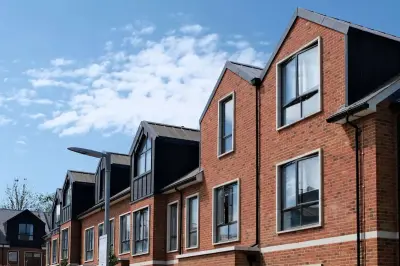
The budget includes significant changes to capital gains tax and negative gearing, aiming to address the housing crisis. These reforms are designed to make housing more affordable for younger Australians, but critics argue they may not go far enough. The government has also outlined spending measures to boost economic growth and ease cost-of-living pressures.
Winners and Losers
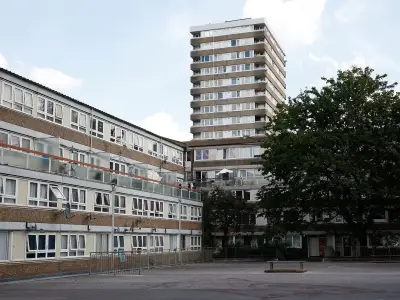
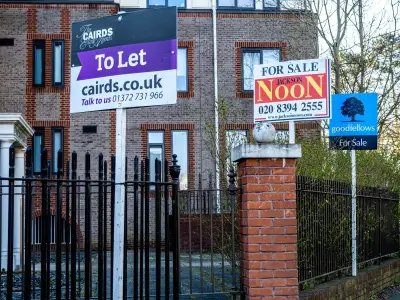
According to the budget summary, first-home buyers and renters are among the winners, with increased support and tax breaks. However, property investors may face tighter rules, potentially reducing their returns. The budget also allocates funds for infrastructure and social housing projects.

Political and Economic Context
The budget comes amid global uncertainty, with the Iran conflict and US politics influencing markets. Domestically, the rise of One Nation reflects growing discontent. Treasurer Chalmers has positioned this budget as a response to these challenges, but experts question whether it will be enough to shift public opinion.
Expert Analysis
Tom McIlroy and Patrick Commins note that while the budget is ambitious, it may not fully address the housing crisis or reverse the trend toward populism. They highlight the need for sustained policy efforts and broader economic reforms.