Historic East London Market Threatened with Closure After Eviction Notices
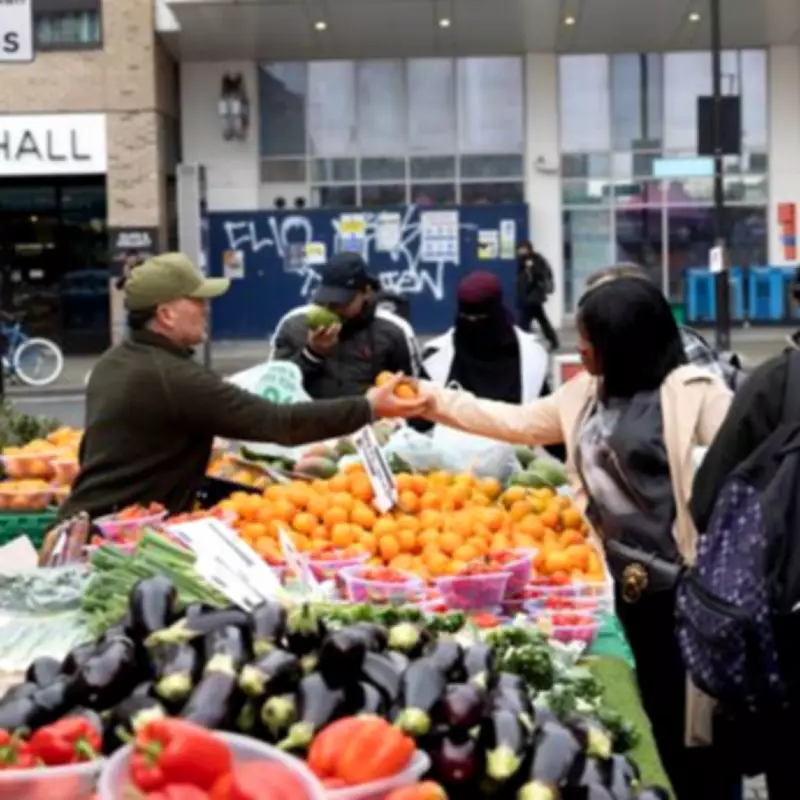
The iconic Ridley Road Shopping Village in Hackney, a beloved indoor market that has served East London communities for over 150 years, faces imminent closure after traders received eviction notices from the building's owners. Shopkeepers within the historic market claim they are being systematically pushed out by landlords who plan to redevelop the entire site into luxury apartments.
A Century and a Half of Community Trading Under Threat
Established in the 1880s, the indoor market has operated continuously alongside the renowned Ridley Road street market, becoming a vital hub for independent retailers and Afro-Caribbean businesses. The market has served generations of local residents, providing affordable food and products that are often difficult to find in mainstream supermarkets.
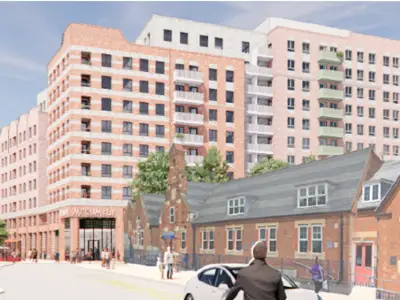
According to multiple reports, the building's owner, offshore company Larochette, has informed all traders that their tenancies will not be extended and the market must shut down completely. Larochette purchased the property for £6.5 million in 2016 and subsequently submitted planning applications to Hackney Council to convert the historic site into luxury residential flats.

Traders Express Exhaustion and Frustration
Several stallholders have reported feeling emotionally drained after years of uncertainty about the market's future. Trader Asli Uygur, who has operated her business at the market for nine years, expressed the collective sentiment: "We are so used to it at this point but exhausted fighting. It feels like we are being punished, but I am a good tenant. It's clear they just want everyone out."
The situation highlights the tension between property development interests and community preservation in rapidly gentrifying areas of London. While Hackney Council owns and operates the outdoor Ridley Road Market, the indoor shopping village remains in private hands, creating a complex ownership situation.
Council Fee Hikes Add Pressure on Traders
MyLondon previously revealed that Hackney Council had implemented fee increases for traders at street markets, including Ridley Road, despite warnings from opposition councillors that the policy could force small businesses to close. The council stated the hikes were necessary to cover rising operational costs like waste collection, claiming most stalls would face only small daily increases.
However, critics including Green and Independent Socialist councillors argue the policy threatens the historic market's survival, particularly as it serves predominantly Black, migrant, and low-income communities who rely on its affordable offerings.
Controversial Closure Justifications
In a controversial development, solicitors representing Larochette claimed in a letter that the Metropolitan Police had raised concerns about crime and anti-social behaviour surrounding the indoor market. However, the Metropolitan Police subsequently clarified they had not recommended the building's closure and confirmed the decision had been made independently by the property owner.
Councillor Zoe Garbett strongly condemned the landlord's actions, stating: "Larochette has misrepresented the police's position who have not requested the closure of the building."
Conflicting Statements from Property Companies
Rainbow Properties, which operates alongside Larochette, offered a different perspective, claiming traders had not been evicted but rather that their leases were simply expiring and would not be renewed. The company stated the market was being closed temporarily for safety reasons while security and management arrangements undergo review.
Rainbow Properties added they hope the site can eventually reopen as "a safe, hospitable trading environment for the people of Hackney," though traders remain skeptical given the long-standing plans for luxury redevelopment.
Previous Council Agreement Unfulfilled
Following previous eviction threats in 2022, Hackney Council had agreed to assume the lease once renovation work had been completed. However, four years later, the redevelopment remains unfinished, and the landlord continues to maintain control of the building, leaving traders in a state of prolonged uncertainty.

Community activists argue the market represents more than just retail space—it serves as a crucial community resource that supports local entrepreneurship and provides culturally specific products that mainstream retailers often overlook. The potential closure has sparked concerns about the erosion of community spaces in East London as property values continue to rise.