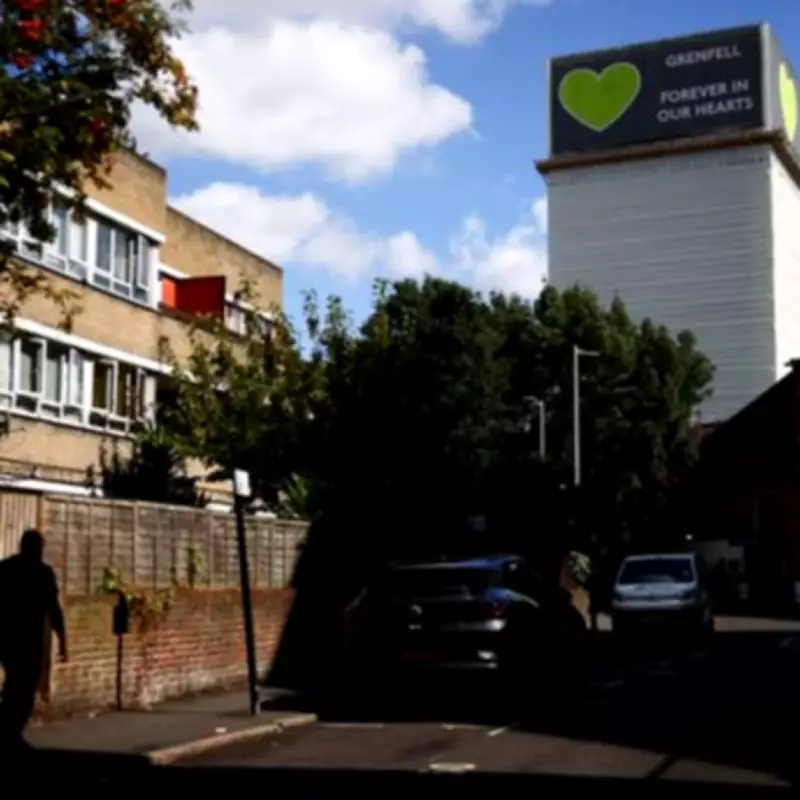
Grenfell Neighbors Excluded from Rehousing Schemes Eight Years After Fire
A group of residents who lived near Grenfell Tower on the night of the tragic 2017 fire are speaking out about being excluded from the council's rehousing initiatives, with some describing a loss of home and community that continues to haunt them. Kensington and Chelsea Council has implemented four distinct rehousing schemes to assist those impacted by the Grenfell Tower disaster, but a small number of residents from Barandon Walk, Hurstway Walk, Testerton Walk, and Bramley House report inadequate housing support nearly a decade later.
Legacy Cases Overlooked in Council Policies
These legacy cases, estimated to number fewer than ten individuals, include residents not covered by the council's housing schemes, which explicitly exclude private rented tenants, lodgers, family members of tenants and leaseholders, housing association tenants, and council tenants living outside the Lancaster West Estate and Bramley House. One resident, originally placed in Barandon Walk by another council, revealed they remain without stable accommodation eight years after the fire, highlighting a systemic gap in support.
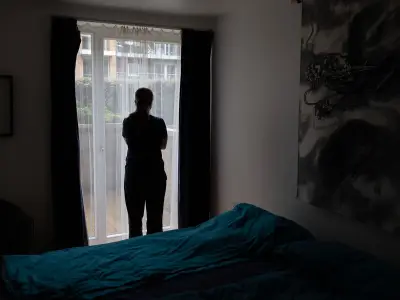
"I lost my home that night. I lost my community. The trauma has stayed with me for eight years. I am still receiving therapy for PTSD related to what I experienced," the resident stated in a report by Bramley Housing Association, discussed at a recent council Housing and Communities Select Committee meeting. They added, "My trauma was the same, my experience was the same, but I have not been treated the same. I was accepted as a Core Participant in the Grenfell Tower Public Inquiry because they recognised that I am a direct victim of the disaster. It has been deeply painful wondering why the council does not recognise my experience in the same way."

Council Response and Ongoing Challenges
Councillor Claire Simmons, Chair of the Housing and Communities Select Committee, expressed frustration, noting that cases she brought forward have been "met with a closed door" and that the council's policy has not always felt "open door." In response, the council has encouraged ward councillors to submit any legacy cases for individual review on a case-by-case basis, with no blanket review planned. Kensington and Chelsea Council asserts that residents who did not qualify for Grenfell housing policies have already received support through alternative pathways, including homelessness assistance, prioritization on the housing register, rehousing into affordable private rentals, and placement into supported accommodation for those with additional needs.
To date, thirteen individuals and families from the Lancaster West Estate and Bramley House have been rehoused into settled accommodation, along with additional households from outside these areas. However, the ongoing exclusion of certain residents underscores broader issues in housing policy and trauma recognition, as the community continues to grapple with the long-term effects of the Grenfell tragedy.