East London's Child Poverty Crisis: Families Forced to Use Balconies as Fridges
New data has exposed a devastating reality: London now has England's highest levels of child poverty, with East London boroughs showing the most extreme concentrations of hardship. The figures reveal that an estimated 38 percent of children across the capital are living in relative poverty, painting a grim picture of inequality in one of the world's wealthiest cities.
The Boroughs Bearing the Brunt
At the council level, three inner-city boroughs in East London have emerged with the highest child poverty rates in all of England. Tower Hamlets leads with a staggering 50.3 percent of children in poverty, followed closely by Hackney at 50.1 percent, and Newham at 44.9 percent. When measured by parliamentary constituency, the situation becomes even more dire: Hackney North and Stoke Newington records an alarming 60.2 percent child poverty rate.
Workers at Hackney Foodbank express no surprise at these devastating statistics. They have witnessed a 300 percent increase in demand for their services since the pandemic began. Jenna Fansa, who has observed this surge firsthand, identifies the core issues facing families: exorbitant rents, inadequate Universal Credit payments, and skyrocketing living costs that have far outpaced wage growth.

Frontline Realities: From Balconies to Empty Plates
"The latest poverty figures aren't a surprise," Jenna told reporters. "Things have definitely worsened. Poverty is deep, and demand for our foodbank is 300 percent higher than it was before the pandemic. Rent is definitely the biggest issue facing people. Wages haven't kept up with inflation."
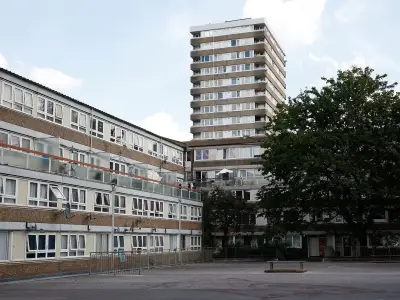
The human stories behind these statistics are heartbreaking. One mother endured an entire winter without a functioning refrigerator, forced to store perishable food on her balcony to keep it cold. Another mother, housed on the eleventh floor of a building with broken elevators, couldn't navigate the stairs with her double buggy, preventing her children from attending school regularly.
"We've got people who can't afford the essentials: hygiene products, food, the cost of keeping their homes warm," Jenna explained. "We often meet parents who go without food so their children can eat, or we meet children who skip school because they can't afford the cost of trips. All of this has a big impact on mental health and well-being."
A Community Responds to Crisis
Since opening in 2012, Hackney Foodbank has distributed over 864,632 kilograms of food and household items to people in crisis or trapped in poverty. They have now launched a No Child Left Hungry Campaign, aiming to raise £50,000 toward emergency food provisions for children.
Tyler Munson, a mother of two girls in Hackney, shared her personal struggle: "Before the food bank started helping me, there were days when I'd go hungry so my children could eat. It's such hard work mentally and physically to be poor – it's degrading. We've been on a waiting list for a bigger, more permanent flat for the past five years, and we could be waiting for years to come."
Official Responses and Systemic Challenges
Mayor of Hackney Caroline Woodley acknowledged the crisis, stating: "We're working with our communities and partners across the borough to tackle the root causes of poverty and to directly support people with advice, food and hardship funding schemes." She highlighted recent initiatives including an extension to the council tax reduction scheme for low-income households and support through Children and Family Hubs.
However, Jenna Fansa points to deeper systemic issues: "The bottom line is that we need more quality housing for people, but there isn't enough affordable housing in Hackney. It's a shame that we live in one of the wealthiest cities in the world, yet we have children who are going hungry or are sleeping without beds."
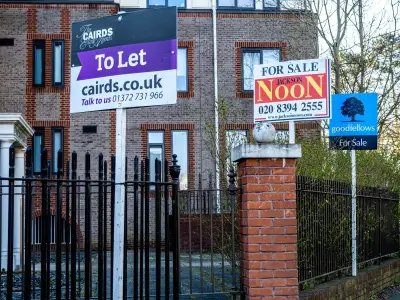
She noted the stark contrast in the borough: "Hackney has always had a mix of people, but you have five-million-pound houses next to council estates. It is really shocking that in an area where houses sell for up to £2 million pounds, we have families who can't afford to eat."

The crisis extends beyond immediate hunger. The psychological toll of poverty creates what Jenna describes as "tremendously stressful situations" where parents don't know "how they are going to put food on the table from one day to the next." This constant uncertainty inevitably impacts mental health across entire families.
As Hackney Foodbank continues operating Monday through Friday from 8:30am to 2:30pm, serving a community where demand has tripled since the pandemic, the broader question remains: how can one of the world's most prosperous cities allow such extreme deprivation to persist in its midst?