Met Police Urged to Regain Control Over Criminal Squatting Epidemic in London
The Metropolitan Police must urgently address the escalating problem of criminal gangs illegally occupying empty homes across London, according to a stark warning from City Hall Conservatives. Deputy leader Emma Best and MP Iain Duncan Smith have called on Mayor Sadiq Khan to direct the police force to enhance training, improve data collection, and publish comprehensive statistics revealing the full scale of this unlawful practice.
Exploiting Legislative Gaps with Forged Documents
While squatting in residential properties was criminalized in 2012—carrying penalties of arrest, fines up to £5,000, or imprisonment for six months—organized criminal networks have learned to exploit weaknesses in enforcement. Sir Iain Duncan Smith, former Conservative Party leader, emphasized that declining prosecution numbers reflect not policing success but criminals capitalizing on a "gap in the law."
Gangs frequently produce counterfeit tenancy agreements to obstruct police action, creating significant delays in eviction processes. The report highlights: "One where hastily scrawled knock-off tenancy agreement can frustrate their ability to act, even in the face of evidence of wider criminal behavior, and where seemingly legitimate tenants are stealing the identities of property owners to potentially commit even more fraud."

Verifying fabricated documents like tenancy agreements or passports proves challenging for officers on the ground, underscoring the need for clearer guidance and practical support.
Traumatic Case Highlights Human Cost
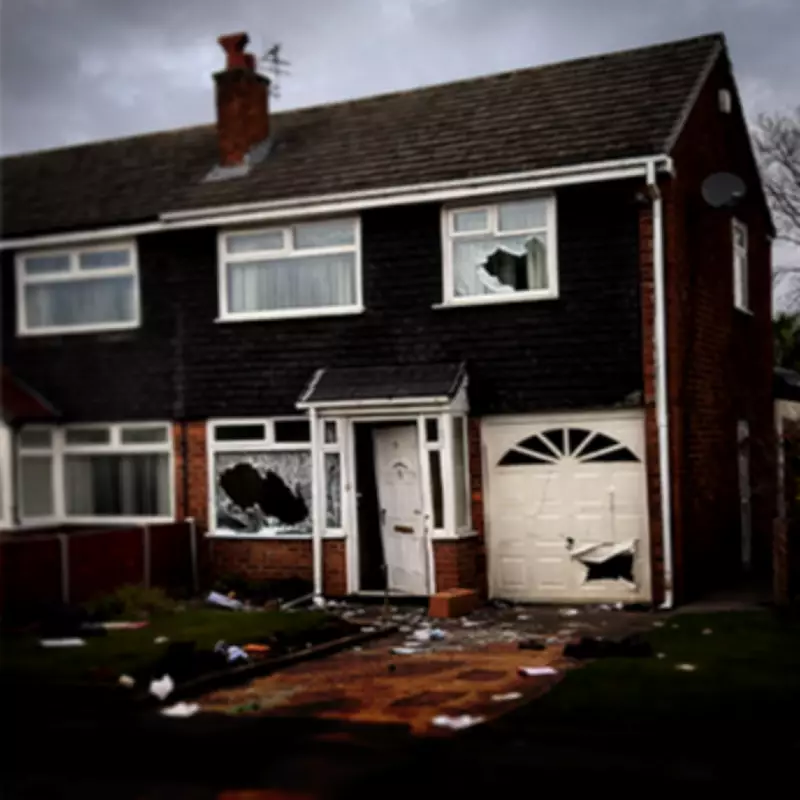
A distressing incident in Chingford, within Sir Iain's constituency, illustrates the severe impact on victims. A pensioner returned home from visiting a friend to discover a gang of up to 25 criminals had illegally taken over her house. Although the intruders presented a fake tenancy agreement, delaying their arrest and eviction until late June, the homeowner eventually regained possession but suffered a serious health issue likely triggered by the immense stress.
Sir Iain condemned the act, stating: "This is the sinister face of squatting; a criminal act that violates the place that should be the most secure of all – your home – and far too often leaves victims helpless to do anything about it."
Emma Best added: "The case we saw in Chingford was sickening and sadly not isolated. Criminal gangs, often without legal status to be in Britain, are exploiting what they perceive to be a loophole in the law."
Legislative Exceptions and Housing Crisis Connections
The report identifies two key exceptions in the 2012 legislation complicating authorities' responses. First, squatting in non-residential properties remains primarily a civil matter, with the British Landlords Association noting a nearly 300% increase in commercial building squatting between December 2021 and mid-2024. Civil court backlogs mean repossession averages 27 weeks.
Second, situations involving tenants overstaying leases fall under existing tenancy law rather than squatting regulations. The authors also link London's housing crisis—particularly shortages in affordable housing and social homes—to the proliferation of squatting. Research from Sheffield Hallam University and Crisis indicates 40% of homeless individuals resort to squatting, suggesting Mayor Khan's policies on social housing and rough sleeping have inadvertently contributed to the problem.
A spokesperson for the Mayor of London responded: "The Mayor supports the Met Police to take appropriate action against all those squatting illegally in residential buildings. We have received the London Assembly’s report and will review its findings."
The Conservatives' recommendations urge the government to close legal loopholes, strengthen police enforcement, and ensure victims like the Chingford pensioner are protected from future violations.