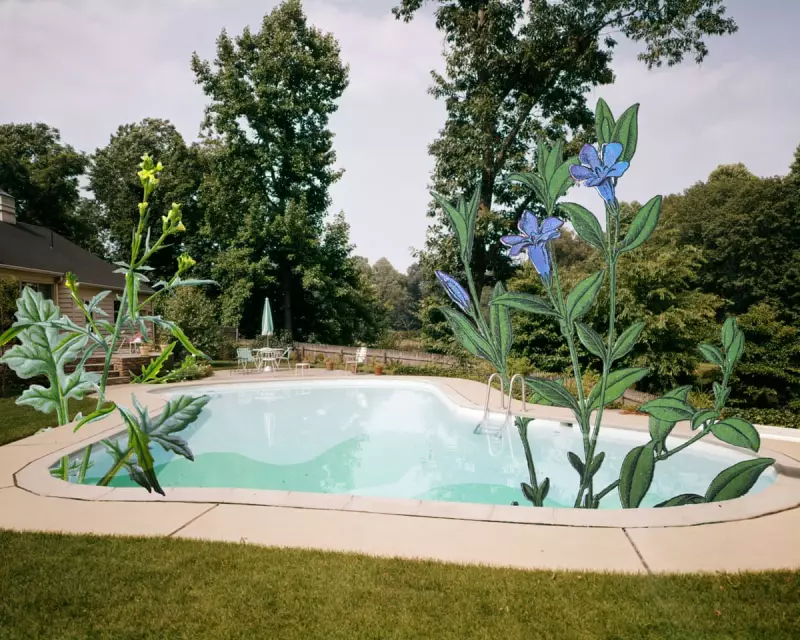
For many British homeowners, the dream of owning a private swimming pool represents the ultimate luxury. However, the reality often proves far more challenging than the idyllic vision of summer parties and relaxing dips.
The Maintenance Nightmare
Based on extensive experience in the hardware industry, owning a pool involves constant upkeep that goes far beyond occasional cleaning. What many new owners discover too late is that their beautiful backyard feature behaves more like a high-maintenance pet requiring regular attention and expensive treatments.
The problems typically begin when owners attempt to wake their pools from winter hibernation. After months of neglect during colder weather, many discover their once-sparkling water has developed an alarming green tinge, indicating significant algae growth that demands immediate chemical treatment.
The Chemical Balancing Act
Proper pool maintenance requires understanding a complex chemical relationship between temperature, pH levels, and various sanitising agents. Chlorine remains the most common treatment, available in both liquid and granular forms, but it degrades quickly depending on temperature, UV exposure, and acidity levels.
Many well-intentioned owners make the mistake of over-chlorinating their pools, which can lead to unexpected consequences including hair discolouration and skin irritation. The reality is that maintaining pool health involves far more than just chlorine, requiring additional treatments including:
- Soda ash to regulate pH levels
- Hydrochloric acid for pH correction
- Calcium increaser to prevent corrosion
- Specialised algaecides for stubborn algae types
- Flocculants to remove dead microorganisms
Hardware stores typically stock over 37 different pool treatment products, reflecting the complexity of proper pool maintenance.
Beyond Chemical Costs
The financial burden extends far beyond chemical treatments. Many pool owners invest in expensive robotic vacuum cleaners costing around £2,000, only to find they still require manual cleaning to remove leaves and debris that escape automated systems.
Pumps represent another common headache, frequently becoming blocked by unexpected objects ranging from golf balls to wildlife. The maintenance requirements continue with solar heating systems, filter cleaning, and dealing with the inevitable ring around spa areas.
As one industry professional noted, hiring professional maintenance services adds even more expense to an already costly investment, leaving many owners feeling trapped between escalating costs and their initial dream of pool ownership.
The romantic vision of pool ownership often fades as reality sets in, revealing the truth that what appears as a luxury amenity frequently becomes a significant liability requiring constant attention, chemical treatments, and financial investment.