Second Home Stamp Duty Surcharge Blamed for 2.2 Million 'Missing' Rental Properties
New research from leading estate agency Hamptons has revealed a startling deficit in the UK rental market, with over 2.2 million homes effectively 'missing' due to the stamp duty surcharge on second homes implemented nearly a decade ago. The analysis indicates that rental availability is now nearly ten per cent lower than projections made in 2016, when the policy was first introduced, dramatically altering the landscape for tenants and investors alike.
A Decade of Impact on Rental Supply and Prices
The three per cent surcharge on stamp duty for additional property purchases in England, introduced in April 2016 and later increased to five per cent in the 2024 Autumn Budget, has had what Hamptons describes as a "profound" effect on the private rental sector. According to the agency, this policy shift caused millions of homes to become inaccessible to renters "almost overnight," disrupting what had been a period of steady expansion.
This contraction in supply has contributed significantly to soaring rental prices. Hamptons' data shows that annual rent growth peaked at nine per cent in November 2024, a sharp increase from the 3.4 per cent recorded in the same month eight years prior. Analysts estimate that the second home tax alone has added approximately one per cent to annual rental inflation, compounding affordability challenges for tenants.
Shifting Demographics and Regional Disparities
The research highlights a major demographic shift in housing tenure. While the proportion of households in Great Britain renting privately has grown from 9.9 per cent in 2003 to 18 per cent in 2025, Hamptons projects this figure would have surged to 25.6 per cent had the stamp duty surcharge not been implemented. Concurrently, the share of English homes purchased by landlords has declined from 14.7 per cent in 2012 to 10.5 per cent this year.
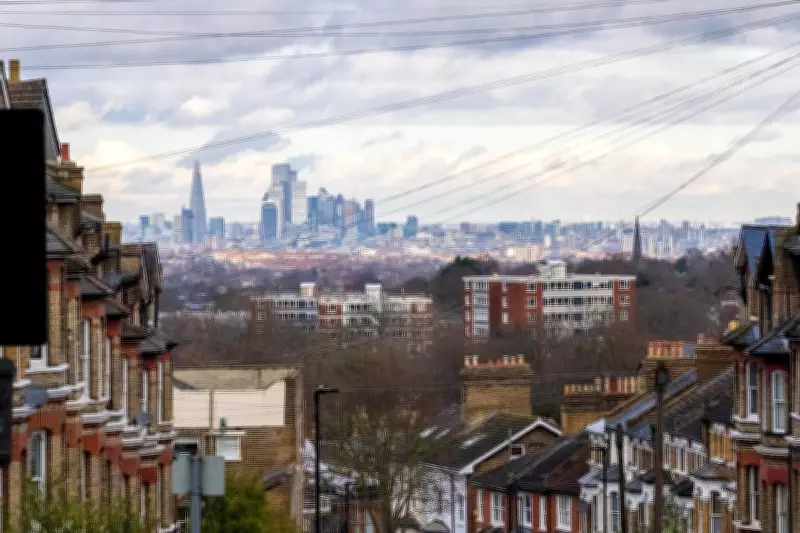
London has been the English region most severely impacted by the policy. The capital has seen a 7.9 per cent decline in the proportion of homes bought by investors between the year preceding the tax's introduction and 2026. However, this reduction has provided a silver lining for first-time buyers, who are now 17 per cent less likely to face competition from investors when bidding for properties in London.
Where Have the 'Missing' Homes Gone?
Hamptons' analysis provides a clear breakdown of the 2.2 million properties absent from the rental market. Approximately three-quarters of these homes are now occupied by owner-occupiers, reflecting a significant transfer from the rental sector to private ownership. The remaining 800,000 properties that would otherwise be available for rent simply have not been built, a consequence of high tax burdens and diminished developer confidence in the current economic climate.
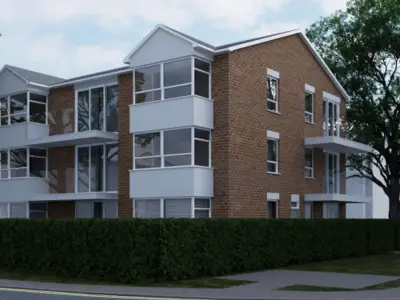
Aneisha Beveridge, Head of Research at Hamptons, explained the broader implications: "Almost overnight, the market tilted away from investors, meaning far fewer homes have been added to the rented sector and more have found their way into owner-occupation over the last decade." She further noted that prior to 2016, housebuilders frequently had waiting lists of investors, sometimes years in advance of construction. "Their partial withdrawal has reduced viability and slowed the pace of housebuilding, particularly in the new-build apartment sector, where sales are now taking longer and often completing at lower prices."
Policy Implications and Future Outlook
The stamp duty surcharge, which also applies at five per cent in Wales and eight per cent in Scotland, was originally designed to curb investor activity and make more homes available for first-time buyers. While it has succeeded in reducing competition from landlords in some areas, the unintended consequence has been a severely constrained rental market. This scarcity leaves those unable to afford homeownership increasingly vulnerable to higher rents, a situation exacerbated by growing taxes and regulatory pressures on remaining landlords.
As the policy approaches its tenth anniversary, the debate over its effectiveness continues. The research underscores the complex trade-offs in housing policy, where measures aimed at one segment of the market can create significant ripple effects across the entire housing ecosystem, influencing everything from construction rates to rental affordability for millions of households.