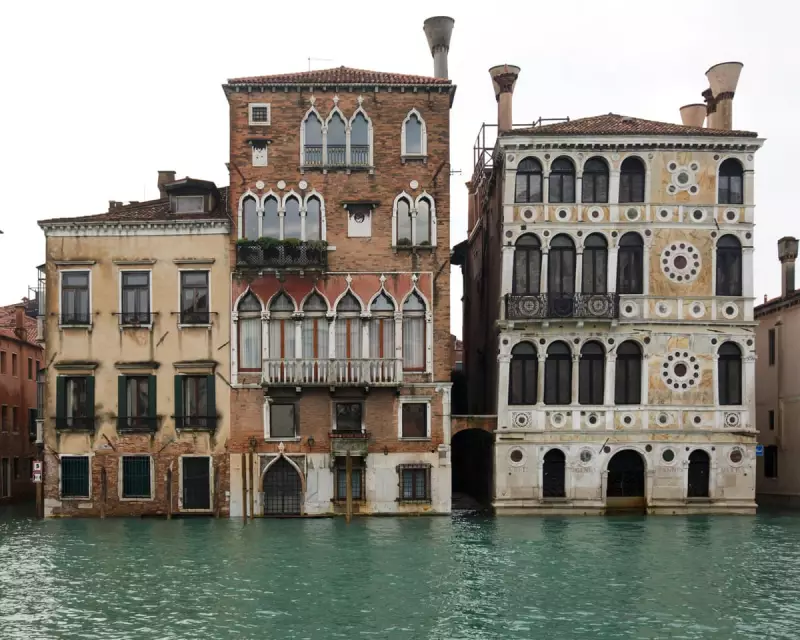
The iconic Palazzo Ca' Dario, a magnificent 15th-century Renaissance palace gracing the banks of Venice's Grand Canal, has long been shrouded in mystery and local folklore. Despite its prime location adjacent to the Peggy Guggenheim Collection and its architectural splendour, this nine-bedroom, eight-bathroom property has remained stubbornly vacant for years, with estate agents now making a renewed effort to secure a buyer following extensive renovations.
A Property Steeped in History and Legend
Constructed in the late 1400s and named after its original owner, the diplomat Giovanni Dario, the palazzo boasts a rich heritage. It has housed nobility, merchants, and even British rock music figures over the centuries. The building was immortalised by Claude Monet in 1908 and referenced by Henry James, cementing its cultural significance. Yet, beyond its gothic arches, frescoed reception rooms, and antique Murano chandeliers lies a darker narrative that has complicated its sale.
The Notorious 'Curse' of Palazzo Ca' Dario
Local legends label the property as "Venice's cursed palace," citing a series of untimely and violent deaths associated with its owners and guests. The tales speak of at least seven tragic incidents, including the 1970 murder of Count Filippo Giordano delle Lanze within the walls. Subsequent owners faced their own misfortunes: Christopher "Kit" Lambert, manager of The Who, purchased the palazzo in 1971 and later succumbed to a fatal fall in London amid personal struggles, while Italian financier Raul Gardini bought it in the 1980s only to take his own life in 1993 following a corruption scandal.
Even those merely connected to the palace have been linked to misfortune. Operatic tenor Mario Del Monaco avoided buying it after a severe car accident en route to a viewing, and The Who's bassist John Entwistle died shortly after renting the property. These stories, amplified by Venetian storytellers and journalists, have created an aura of unease that persists despite the building's architectural allure.
Renewed Marketing Efforts Amidst Superstition
Now freshly renovated, the sale has been entrusted to Christie's International Real Estate and Engel & Völkers in Venice. The marketing emphasises the palazzo's status as an "architectural gem" in a peaceful Dorsoduro neighbourhood, away from tourist crowds. However, the promotional materials tactfully omit the grim legends that have become part of its identity.
Historical Perspective vs. Local Lore
Historians like Davide Busato note that the curse rumours gained traction in the 1970s and exploded after Gardini's suicide, becoming a sensationalised tale. Venetians, known for their love of a good story, have embraced and exaggerated these narratives, similar to legends surrounding places like Poveglia island. Busato points out that Venice has many historic buildings with dark pasts that now operate as luxury hotels, suggesting that the palazzo's reputation may be more myth than reality.
Arnaldo Fusello of Christie's in Venice acknowledges the storytelling culture, comparing it to gondoliers entertaining tourists. He highlights that hundreds of inhabitants, including Giovanni Dario who died naturally at 80, lived long lives in the palazzo, countering the curse narrative. Fusello expresses confidence in finding a buyer, noting significant interest from both Italian and foreign prospects who appreciate the property's historical essence.
Prospects for the Future
The current owner, an anonymous American firm that acquired the property in 2006, has kept it empty, inadvertently fuelling the legends. With renovations complete, the focus shifts to attracting a buyer who values living history. Fusello emphasises that any new owner must commit to preserving this iconic piece of Venice's heritage, ensuring it remains a vibrant part of the city's architectural tapestry.
As the palazzo re-enters the market with a reported €20 million price tag, the challenge lies in balancing its majestic history with the persistent tales of misfortune. Whether the curse will deter buyers or become part of its unique charm remains to be seen, but one thing is clear: Palazzo Ca' Dario continues to captivate imaginations, standing as a testament to Venice's enduring allure and its penchant for mystery.