Sutton's Surprising Rise: Inside London's Third Best Borough to Live
In a capital where soaring house prices and urban density dominate, being named one of London's best places to live is a significant accolade. Sutton, a south London borough, has recently secured the third spot in the 2026 'Best Places to Live' guide, trailing only behind Kensington and Chelsea and Westminster. This ranking has sparked curiosity and debate among residents and observers alike, prompting a deeper look into what makes Sutton stand out in a crowded field.
The Strengths That Propelled Sutton to the Top
Sutton's high ranking is attributed to several key factors that appeal to a wide range of Londoners. The borough boasts an impressive array of top-performing grammar schools, including Wilson's School, Wallington County Grammar School, Sutton Grammar, and Nonsuch High School for Girls, all consistently ranked among the UK's best for GCSE and A-level results. This educational excellence is a major draw for families seeking quality schooling options.
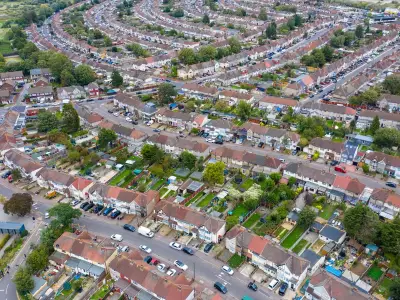
Additionally, Sutton offers over 1,500 acres of open green space, providing a suburban, village-like feel in areas such as Cheam and Carshalton. Historic parks like Beddington Park and Nonsuch Park contribute to this leafy ambiance, making it a popular choice for retirees and young families looking for more affordable housing compared to central London. The borough's transportation links, while lacking Tube or Overground stations, include excellent National Rail services with 30-minute journeys to London Victoria and Blackfriars, as well as key stops on the Superloop express bus network.
Local Perspectives: Pride and Nuanced Realities
When MyLondon visited Sutton to speak with residents, a complex picture emerged. Don Keahey, a 64-year-old local cabbie, expressed initial surprise at the ranking but acknowledged the borough's strengths upon reflection. "I don't know how we came in top three," he said. "Based off education, we've got some good schools I guess. For me, the most standout thing is the location. You can get to the airport easily, get into Central London in like 30 minutes, we've got the hospital." However, he noted concerns about limited activities for young people in the town centre.
Steve Brown, who has lived in Lambeth, Croydon, and Fulham, praised Sutton's inclusivity and community feel. "You've got a good mix of people here. Sutton is a borough that can be growing and if we've reached number three, then it shows that people feel accepted here," he said. "It's the nicest borough I've ever lived in—Sutton is definitely the borough to be."
Challenges and Criticisms from Long-Term Residents
Despite the accolades, some long-term residents highlighted ongoing issues. Three former teachers, who have lived in Sutton for over 50 years and wished to remain anonymous, pointed to a decline in the high street, with several shops boarded up and repeated pub closures. "We used to have a range of shops on the high street. We had proper shops. We had lots of pubs," one teacher said. Institutions like The Sutton Arms, which closed in 2025, and TazZa Coffee, which shut last year, exemplify this trend.
They also raised concerns about infrastructure struggling to keep pace with new residential developments. "We are seeing a lot more residential blocks being built but we don't have the infrastructure here for that. We struggle to get appointments at the GP or dentist," another teacher added. They noted socioeconomic disparities, with pockets of high wealth and poverty, and a shifting community dynamic that has eroded some of the traditional neighborly connections.
Diverse Voices on Sutton's Appeal
Other residents offered more positive assessments. Nana Esei, 48, who lives in Morden but regularly visits Sutton, emphasized the area's inclusivity and transportation benefits. "Sutton is my local community where I come. It's a good area, there's inclusion here, I've never experienced any sort of racism here. People say hi to you as you're walking," she said. "Transportation is good, I can get to so many places. In my opinion, the ranking is certainly worth it."
Mr. Bonnie, 64, echoed this sentiment, citing low crime, diverse shops, and the abundance of green spaces as key advantages. "I've lived in Sutton since 2006. This is a great borough to live in. It's a diverse place, wide range of shops and education is very good with its grammar schools. Low crime, shopping facilities, you feel pretty safe to be in this area," he said.
Tracee Partridge-Smith also supported the ranking, highlighting the friendly community and convenient access to both countryside and central London. "There's a lot of greenery around here. This is the longest place we've ever lived. People are friendly, living here works for me and my family," she noted. "It's not far to get to the countryside if you have a car and then on the train it takes 30 minutes to get into London. I think top three is certainly a fair ranking—compared to the rest of London, it works out well."
Contrast with Other Boroughs
The ranking also placed Barking and Dagenham at the bottom of London's boroughs, with locals describing it as "the land that time forgot" due to a lack of amenities and rising crime, despite some praising its affordability and community spirit. This contrast underscores the varied experiences across the capital and the specific factors that have elevated Sutton's status.
In summary, Sutton's third-place ranking in London's best places to live reflects a blend of educational excellence, green spaces, and transportation links, balanced against challenges like high street decline and infrastructure pressures. As residents navigate these dynamics, the borough continues to evolve, offering a unique suburban haven within the bustling metropolis.