Revisiting My Childhood Borough: Newham's Controversial Ranking as London's 30th Worst
As a journalist with a critical eye for London's neighborhoods, I rarely find myself defending areas that receive poor ratings. However, when I discovered that Newham—the East London borough where I spent my formative years just a train ride from Stratford—was ranked 30th out of 34 as one of London's worst places to live, I was genuinely taken aback. My immediate reaction was one of disbelief, prompting a personal journey back to the streets I once roamed.
A Personal Connection to a Borough in Transition
Growing up, Newham was far from perfect. I vividly recall the old Stratford shopping centre, where my friends and I would wander aimlessly, spending hours in the arcade, catching films at the Stratford Picture house, and browsing games at Game. Those memories paint a picture of a simpler, albeit less glamorous, childhood. The area had its struggles, with high levels of poverty and deprivation that are well-documented and undoubtedly influenced its low ranking in the Garrington study.
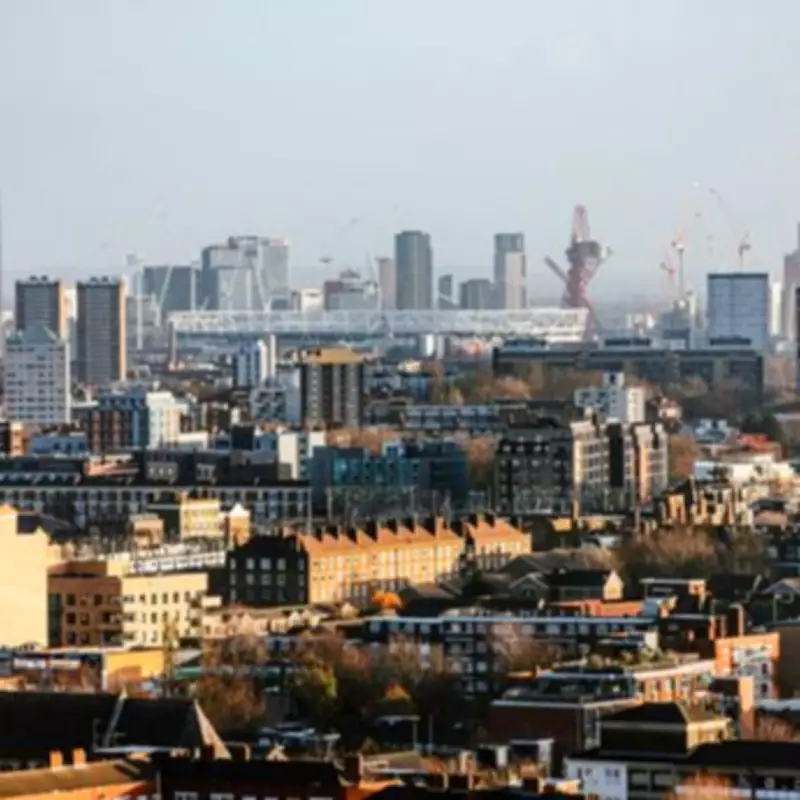
Yet, the announcement that London had won the 2012 Olympics marked a turning point for Newham. The borough underwent a dramatic transformation, with Westfield Stratford City rising from what was once considered wasteland. The Olympic Park emerged as a green oasis, and skyscrapers began to dot the skyline, making Stratford a magnet for visitors and residents alike. This influx of development brought new life to the area, though it also introduced challenges, such as navigating the often-crowded Westfield, which can feel like a warzone at any hour.
The Upsides That Defy the Ranking
Despite its ranking, Newham offers a wealth of amenities that deserve recognition. For fitness enthusiasts, the Olympic Park and Wanstead Flats provide stunning settings for a jog or leisurely walk. Shoppers have access to Westfield for all their needs, while those seeking authentic experiences can explore East Ham's iconic Queens Market, a 120-year-old staple that offers a vibrant, cultural immersion. The River Lea, winding through the Olympic Park, offers serene strolls on summer days, albeit with the occasional interruption from speedy cyclists.
Transport links in Newham are exceptional, with regular buses and efficient rail connections ensuring easy access across London. Areas like East Ham, Manor Park, and Ilford, while perhaps underrated, boast their own unique charms and community benefits. Accessibility, educational opportunities, and relative affordability are significant advantages that should not be overlooked. In the Garrington rankings, Newham scored poorly in categories such as house price quality and value (1411 out of 1450), natural environment (1063), and wellbeing (1356), but these metrics may not fully capture the borough's lived experience.
Balancing Gentrification with Community Identity
Newham's gentrification, particularly in Stratford, has brought modern amenities without completely erasing its historical character. The old shopping centre still stands, serving as a reminder of the borough's roots. While Newham faces real issues, including a high cost of living and low wages, the daily life here paints a more nuanced picture. It may not suit everyone's preferences, but for many, including myself, it offers a dynamic mix of cultures and activities that embody the spirit of London.
In conclusion, while I acknowledge the data behind Newham's low ranking, I believe it fails to account for the borough's resilience and community vibrancy. From its improved green spaces to its diverse markets and excellent transport, Newham deserves a higher placement than 30th. It's a place of contrasts, where challenges coexist with opportunities, making it far from the worst borough in London.