Bow's Contradictory Reality: Praised as Ideal Neighborhood While Locals Mourn Lost Heritage
Over the past two decades, East London has transformed into a magnet for urban migrants seeking trendiness and city proximity. While areas like Hackney, Walthamstow, and Stratford have dominated attention, the neighborhood of Bow has quietly earned a prestigious spot on The Times' "Best Places to Live" list. The publication highlights Bow's "palpable sense of history," centered around tranquil Tredegar Square with its resplendent Regency houses and classic communal garden. They describe it as a laid-back, easygoing neighborhood where gentrification has been gradual and harmonious.
Urban Amenities and Historical Significance
Bow boasts exceptional transport connectivity with Central and District line stations, plus regular bus services to Canary Wharf and central London. The area provides abundant green spaces through picturesque Victoria Park and Mile End Park, both within walking distance. The Hertford Union Canal offers peaceful respite from urban bustle during daily strolls. Historically significant, Bow was home to the East London Federation of Suffragettes led by Sylvia Pankhurst, adding to its cultural heritage.
Market Decline and Changing Demographics
Despite these accolades, Bow has undergone dramatic changes that concern long-term residents. The Roman Road market, once thriving with traders lining both sides of the street, now features empty bays and diminished activity. One trader with 43 years of experience observed: "The indigenous population hasn't supported the market in the last 10-15 years. People moving into nicer parts of Victoria Park don't spend money here. In a few years, they'll ask what happened to the market. You have to use it or lose it."
Community Perspectives: Loss Versus Opportunity
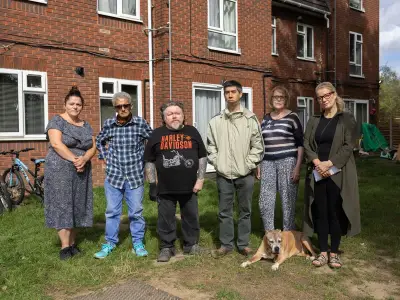
Marcy Banks, 45, who has lived in Bow for decades, represents the sentiment of many established residents: "The last of the original people have died out or moved away. Where's the butcher's? Our bakers? If you're old-school, I wouldn't say it's the best place to live. Years ago, I couldn't fault it. Now, it feels like we've lost everything. Many pubs have closed, and there's no community anymore. Back in the day, neighbors helped each other; now doors get shut in your face."
Kay, 60, chuckled when informed of Bow's ranking: "I can see why people come here for the property sizes. But the market used to be so crowded you'd squeeze through. Now there are posh cafes moving in. The crime rate is high here, and homelessness is high too. Once you look beyond Victoria Park, what do you have? It's more about the properties than the surroundings."
Balanced Views and Newcomer Perspectives
Claudia Lewis, 40, offers a more balanced assessment: "It's an urban area with lots of green space that works for our family. The parks, nice cafes, and market create a great combination. Gentrification is happening slowly, and the area keeps its character."
At G Kelly pie-and-mash shop, operating since 1939, Samantha King, 23, appreciates Bow's community aspects: "It's very community-based with many different cultures. The older generation is less accepting of changes, but we get younger people and new middle-class residents trying our food. Even people from other cultures come in to ask questions, which keeps our trade alive."
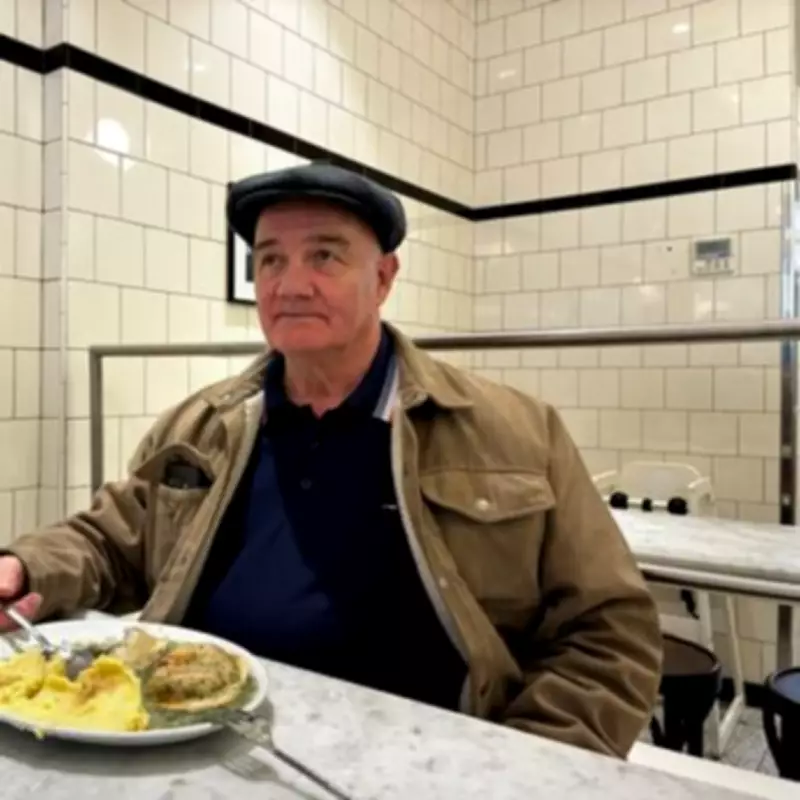
Regular customer Tony, 67, whose mother's picture hangs on the wall, maintains: "Bow is a great place. The people make it great—they're friendly, and the East London character is still here."
New Residents Embrace Bow's Qualities
Teachers Imogen and Emily represent newer residents who appreciate Bow's authenticity. Imogen notes: "There's a sense of people actually living here. Unlike Hackney which feels like a show, this feels like where normal people live. There's so much history here." Emily adds: "When I tell people I live on Roman Road, they react like it's scary, but I feel safe here. It has good vibes, green spaces, connectivity, community, and good coffee shops—everything you want from where you live."
Ultimately, Bow's designation as a "best place to live" reveals the subjective nature of such rankings. While newcomers celebrate its amenities and gradual gentrification, long-term residents mourn the erosion of traditional community bonds and local businesses. This East London neighborhood embodies London's ongoing transformation, where progress and preservation remain in constant tension.