In my apartment block’s ‘Room of Unlimited Magical Recycling Possibilities’ I found not just freebies, but friends. At first, rescuing unwanted items from the reuse room was a way to save money. But over time, it became a place where I connected with my neighbours.
The Magic Room
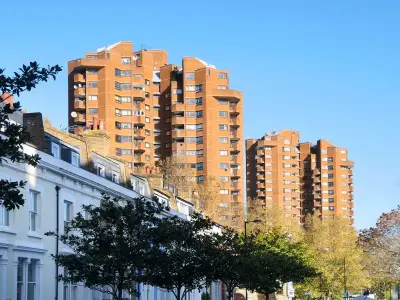
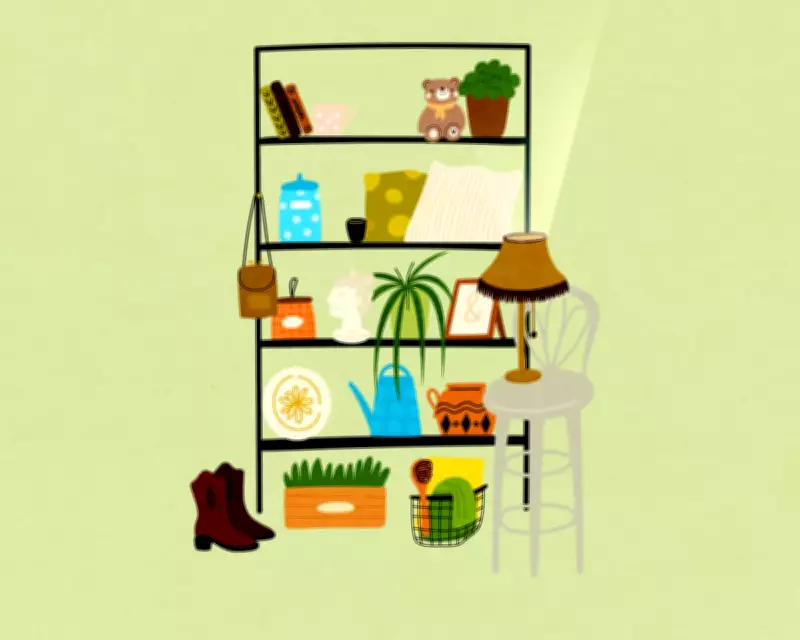
When I lived in inner Sydney, my apartment building had a dedicated reuse room for secondhand items. The room was officially named the Room of Unlimited Magical Recycling Possibilities, but most residents just called it the magic room. This name was fitting because often things seemed to appear there precisely when I needed them. I once walked in to find a reusable coffee cup, just after accidentally dropping my glass one in the car park.
In the magic room, our complex’s 650 residents could take whatever they needed and leave their preloved items, everything from furniture and clothes to stationery and crockery. When I took time off work to raise my kids, the room became a valuable source of things our family needed. It’s impossible to work out just how much I saved, but the impact was substantial.
A Community Effort
The magic room was a community effort, maintained by many residents volunteering their time to keep it well organised and running smoothly. I often saw my neighbour, Wendy Showyin, when I stopped by. Her actions to promote reusing items years earlier had paved the way for the magic room.
Showyin says the space was originally a holding area for items on their way to council pickup. “One day, a table was put into the room, along with a few kitchen items,” she says. “I arranged them nicely and added a handwritten sign, ‘Free to a good home.’ An old refrigerator became a little library after a quick clean and the addition of a sign, ‘Take a book or leave a book.’ We gained momentum from there.”
During the early years, the influx of items often messed up the room, requiring a lot of sorting. In response, posts on the building’s Facebook page and signs around the complex encouraged more mindful donation behaviours, such as placing items in their designated sections. Rather than a formal volunteer roster, the room relied on residents tidying when they visited, supplemented by regular call-outs when specific sections needed extra attention. This collective effort to present things thoughtfully made the room inviting.
“Societal norms taught in childhood imply secondhand means dirty or broken,” says Showyin. “The magic room shows that isn’t so.” Far from being rubbish, many of the gifted items were in excellent condition.
Connecting with Neighbours
While all of the free stuff was materially rewarding, it wasn’t the most magical aspect of the room. The swap room started as a way to reduce waste, but more than anything, it provided the opportunity to connect with neighbours. It meant our paths crossed in otherwise separate lives.
It was there that I met my neighbour, Kirsty Hilton. We would stop for a chat while our kids excitedly dug through the toys. She says the room helped her meet other parents: “You had the time to chat in there. If you saw someone with a kid on the street you wouldn’t necessarily strike up a conversation, but in the magic room we always did.”
I’ve lived mostly in apartments for almost 20 years and never experienced anything quite like it. It was hard when it came time to move last year. I didn’t just leave behind the freebies, but the community I had finally found. I wish everyone had a magic room in their lives. If I ever find myself living in an apartment building again, I’ll make every effort to conjure one.