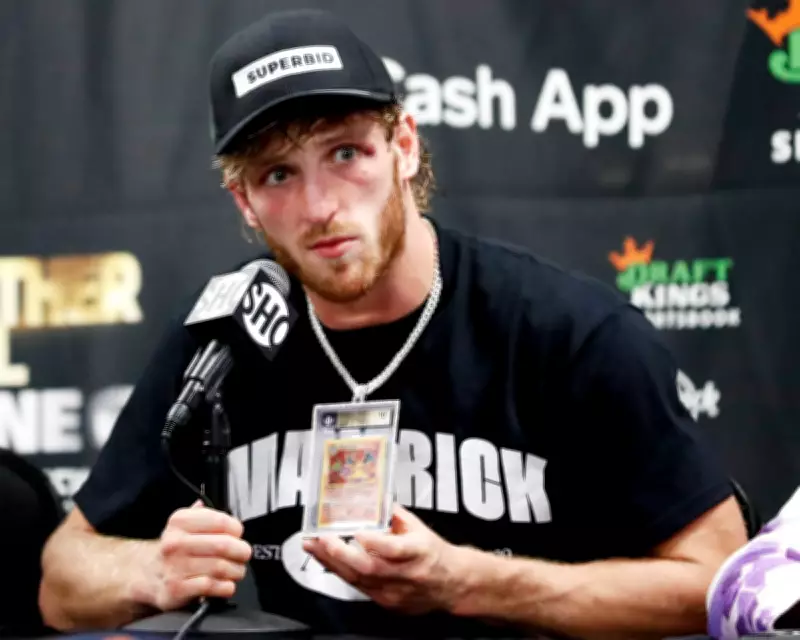
The world of trading cards has reached unprecedented financial heights with a single Pokémon card selling for a staggering £12 million at auction earlier this month. This record-breaking transaction involved YouTuber and occasional boxer Logan Paul, who sold the world's only Professional Sports Authenticator (PSA) 10-graded Pikachu Illustrator card to AJ Scaramucci, son of financier Anthony Scaramucci. Paul made an enormous profit, flipping the card for approximately £8 million more than the £3.9 million he originally paid in 2021.
The Trading Card Boom Extends Beyond Pokémon
This extraordinary sale is not an isolated incident but part of a broader surge in the trading card market. In the United States, Walmart Marketplace reported a 200% increase in trading card sales between February 2024 and June 2025, while eBay noted ten consecutive financial quarters of surging sales. In the United Kingdom, Pokémon cards have become so valuable that they are increasingly targeted by thieves.
The Pokémon Company, celebrating its 30th anniversary, now stands as the world's largest media franchise with total revenues reaching $147 billion (£110 billion), according to Guinness World Records. However, the boom extends far beyond Pokémon. Football cards, particularly "auto cards" featuring authentic signatures of sports stars, command thousands of pounds. For instance, a Lionel Messi card sold for nearly $9,500 last year. Niche collections, including Labubu and SpongeBob sets, also sell for hundreds of pounds.
Fanatics Collectibles: A Hub for Card Enthusiasts
At Fanatics Collectibles in central London, the excitement is palpable. The store features rip tables where customers can immediately open their card packets, and events hosted by celebrities like Lewis Hamilton, Roman Kemp, and Rio Ferdinand draw queues that stretch around the block. This environment underscores the growing mainstream appeal of trading cards, transforming them from childhood hobbies into serious collectibles.
Collectors' Perspectives on the Frenzy
Amid headlines focusing on multi-million-pound sales, average collectors offer nuanced views. Penny, a 29-year-old from Stockholm, Sweden, has been collecting Pokémon cards since age 15 and now owns about 16,000 cards. Her prized possessions include a base set Charizard in "loved condition" (valued between $300 and over $10,000), an Eevee card from Legendary Collection worth about $500, and a recently acquired Golden Dragonite valued at $600.
Penny emphasizes that she is a collector, not an investor. She enjoys touching, playing with, and displaying her cards, believing the game should remain accessible to children. She collects master sets, donating duplicates to charity or using them for Halloween goodie bags. As a YouTuber, she faces criticism from those accusing her of being a "fake nerd," but she has noticed more women and girls entering the hobby, which she views positively.
Working in a toy shop, Penny observes both the growth and downsides of collecting. She notes a significant increase in Pokémon card purchases but laments the investment-driven mindset, comparing it to gambling. "I know so many parents are like: 'If my kid pulls this Charizard then I'm going to take it away from them straight away because it's a valuable card.' It's a piece of cardboard. I understand the value is high on them but it's still supposed to be fun," she said.
Rediscovering Nostalgia in Adulthood
Ryan Back, a 34-year-old who runs a jams and chutneys business with his wife, Abby, rediscovered his love for Pokémon cards during the COVID-19 pandemic in 2020. He believes The Pokémon Company has strategically shifted its target demographic to adults in their late 20s and early 30s to capitalize on nostalgia. Back owns a few thousand cards, including a PSA 10-graded Charizard from the Pokémon 151 set, which features original characters.
Grading plays a crucial role in card values, with PSA 10 being the highest rating for immaculate condition. Minor flaws, such as uneven borders, can downgrade a card immediately. As a YouTuber, Back criticizes aspects of the modern hobby, particularly the focus on high-value cards and scalping, where individuals hoard packs to resell online at inflated prices.
Market Realities Versus Expectations
While the £12 million sale has drawn widespread attention, Back warns that it may create unrealistic expectations. "I think a lot of people are entering the hobby thinking somehow they're going to make loads of money or they're going to pull a card that's worth stupid crazy amounts of money. That's not really the case," he explained. The trading card market, though booming, requires knowledge, patience, and a genuine passion for collecting beyond mere financial gain.
The convergence of nostalgia, celebrity involvement, and high-stakes auctions has transformed trading cards into a dynamic and lucrative industry. However, as collectors like Penny and Back remind us, the heart of the hobby lies in enjoyment and community, not just monetary value.