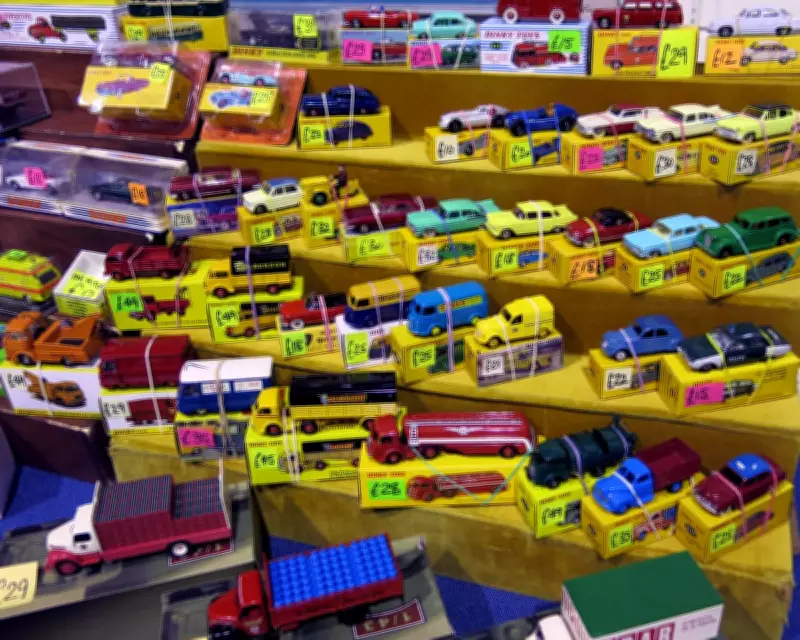
In the world of collectibles, from high-end antiques to nostalgic Dinky Toys and Star Wars memorabilia, fraudsters are employing sophisticated tactics to deceive buyers into believing they are purchasing genuine vintage items. Kayleigh Davies, an experienced valuer at Auctionet, recently encountered a fake Lalique vase where the seller had engraved the brand name onto the base in a misguided attempt to increase its value. This incident highlights a growing trend in scams that exploit the booming market for collectibles, especially with the rise of online sales platforms.
The Art of Deception in Collectibles
Fraudsters use various methods to alter items and inflate their worth. For instance, Dinky Toys cars might be repainted in rare colors, with signs of tampering such as unscrewed bases. Similarly, Star Wars action figures, which can fetch thousands in original packaging, are often targeted by scammers who place cheap figures into authentic-looking boxes. Davies warns that even antique glassware should show natural wear, like scuffs on the bottom from years of use; a lack of such signs could indicate a fake.
Red Flags to Watch For
Buyers should be vigilant for inconsistencies. If a seller claims an item is in perfect condition but a hidden crack is discovered upon closer inspection, it likely affects the value. Electrical items, such as lamps, pose additional risks due to potentially faulty wiring that could lead to fires. Autographs require extra scrutiny; without solid provenance or video evidence of signing, they should be avoided. Davies advises, "If something doesn’t look right, ask questions. A legitimate seller will provide information, while a fraudster may become defensive."
Protecting Yourself from Scams
Platforms like eBay have policies against counterfeit goods, offering money-back guarantees if items do not match their listings. Under UK law, consumers have the right to a refund for fake purchases. If a seller refuses, options include initiating a chargeback via your bank for debit card payments or making a Section 75 claim for credit card purchases over £100. Suspected fraud can be reported to Report Fraud or Trading Standards through Citizens Advice.
Legal Recourse and Reporting
It is crucial to act quickly if you suspect a scam. Reporting fraudulent sellers helps protect others and enforces consumer rights. As Davies emphasizes, confidence in questioning discrepancies can prevent costly mistakes. With collectibles fraud becoming more prevalent, staying informed and cautious is key to safeguarding your investments in this lucrative yet risky market.