
Ukrainian President Volodymyr Zelenskyy returned to Kyiv on Wednesday to face a mounting political crisis, as daily protests continue over the dismissal of popular defence minister Mykhailo Fedorov. The unrest threatens to undermine Zelenskyy's reputation as a skilled wartime leader on the global stage.
Diplomatic wins abroad
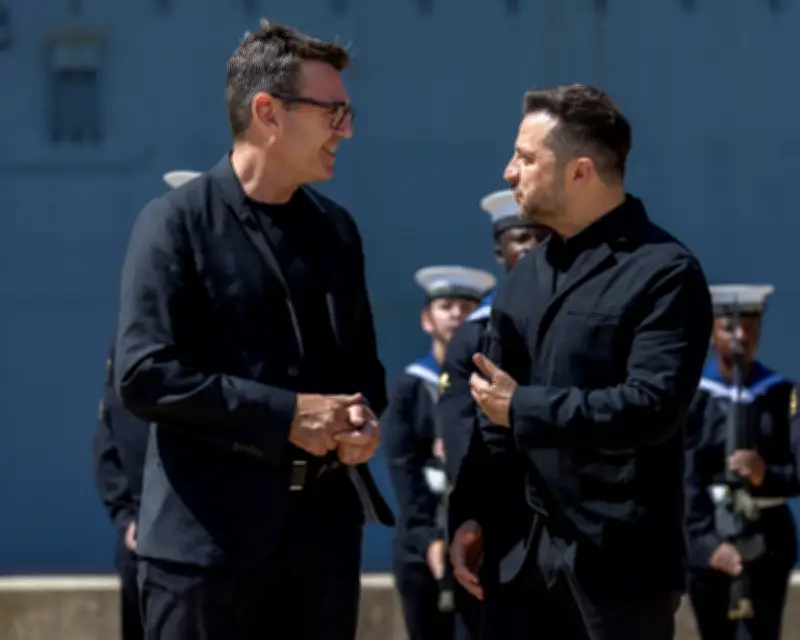
Zelenskyy's recent diplomatic successes include a meeting with UK Prime Minister Andy Burnham, who affirmed continued support, and a "positive and productive" meeting with US President Donald Trump in Washington DC. The US Senate also advanced a sweeping Russian sanctions bill. These set-pieces have defined Zelenskyy's wartime leadership, securing hundreds of billions in aid.
Domestic turmoil over Fedorov's dismissal
Fedorov, 35, was appointed defence minister in January and quickly gained a reputation as a reformer, modernising procurement and introducing data-driven warfare. He clashed with army chief Oleksandr Syrskyi, 61, seen as a traditionalist. Zelenskyy's reshuffle removed Fedorov but kept Syrskyi, sparking public outrage. Polling showed 72% opposed Fedorov's dismissal, with only 5% in favour. Under pressure, Zelenskyy later sacked Syrskyi and offered Fedorov alternative posts, which he declined. "There's a standoff between Zelenskyy, Fedorov and civil society," said Luke Harding, the Guardian's senior international correspondent.
Protests shift focus to broader reforms
Initially chanting "Syrskyi out, Fedorov back," protesters in Kyiv's Ivan Franko Square have now shifted to demands for "reforms not scams" and "the people are the power." This follows a 2025 wave of protests against stripping anti-corruption bodies of independence, which Zelenskyy signed into law before backtracking. One such body investigated his chief of staff Andriy Yermak, leading to his resignation.
War and political implications
Ukraine's martial law bans elections, but Zelenskyy's trust rating has slipped as Fedorov's has risen. The war has shifted to drone warfare, with Ukraine claiming to have destroyed most Russian air defences. Russia continues to advance slowly, losing 30,000 troops monthly. "I wouldn't say Ukraine is winning, but it's taking a path to victory," Harding said. The Fedorov crisis represents a "struggle for Ukraine's soul" between progressive reformers and old-guard interests, he added.




