Waspi Women Denied Compensation Again in Latest Government Ruling
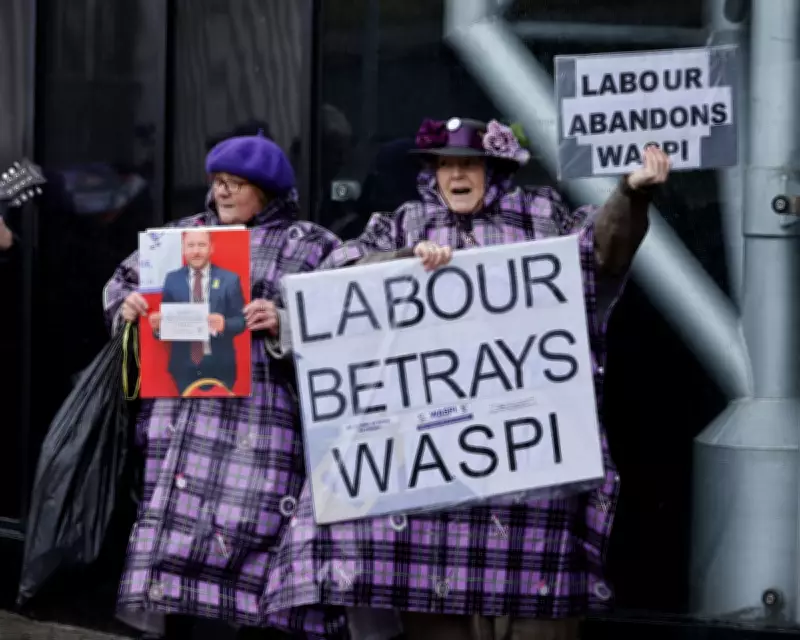
Millions of women born in the 1950s, known as the "Waspi women," have been denied state pension compensation once again by the government in its latest ruling on the long-running case. Campaigners have expressed outrage and vowed to continue their fight, stating they have been "shamefully denied" justice.
Background of the Waspi Campaign
The Waspi (Women Against State Pension Inequality) campaign was launched in 2015 in response to government failings in the way changes to the state pension age were implemented. It is estimated that up to 3.6 million women born in the 1950s and the first three months of 1960 have been affected, with many claiming their retirement plans were "plunged into chaos" and they were left thousands of pounds out of pocket.
This group argues they suffered financial penalties due to the Department for Work and Pensions increasing the state pension age for women from 60 to 65, and then to 66, without adequate notice. Many women say they had always expected to receive their pension at 60 and had made financial plans based on this assumption, only to discover the change after giving up work.

Government's Decision and Rationale
In the latest development, the Work and Pensions Secretary, Pat McFadden, announced that after reviewing the evidence, the government has upheld its previous decision from December 2024 to deny compensation. This comes just over a year after ministers initially denied payouts, despite the Parliamentary and Health Service Ombudsman ruling in March 2024 that those affected should be compensated.
McFadden argued that a flat-rate compensation scheme for all women born in the 1950s would cost up to £10.3 billion and "would simply not be right or fair," as most women were aware of the pension changes. He also stated it would not be practical to set up a targeted scheme to identify only those who suffered injustice.
Historical Context of Pension Age Changes
For decades, the state pension age for women was set at 60. An increase to 65 to match that of men was included in 1995 legislation and was phased in between 2010 and 2020. However, in 2011, the coalition government accelerated this process, resulting in the state pension age for women rising to 65 by November 2018 and to 66 by October 2020.
Waspi and other campaigners have long claimed that these changes were implemented unfairly, leaving many older women struggling with living costs and financial instability in their retirement years.
Campaigners' Response and Future Actions
Angela Madden, the chair of Waspi, condemned the government's decision, stating that ministers have demonstrated "utter contempt" for 1950s-born women, parliament, and the parliamentary ombudsman. She described the ruling as a "disgraceful political choice" by a small group of powerful people who have decided the harm suffered by millions of ordinary women does not matter.
Madden confirmed that the group is taking legal advice and that "all options remain on the table." She emphasised their readiness to pursue every avenue in parliament and the courts to secure the justice they believe has been denied. Campaigners argue that the government has "kicked the can down the road" for months, only to arrive at the same conclusion it always intended.
Broader Implications and Ongoing Struggle
This ruling highlights ongoing issues of inequality and financial injustice affecting older women in the UK. The Waspi campaign continues to draw attention to the broader challenges faced by this demographic, including pension disparities and the impact of policy changes on retirement planning.
As the fight for compensation persists, the case remains a focal point for discussions on state pension reform, government accountability, and the rights of women in later life. Campaigners are determined to keep the pressure on, ensuring that the voices of millions of affected women are not ignored in the pursuit of fair treatment and redress.