Government Denies Compensation to Waspi Women in Latest Pensions Blow
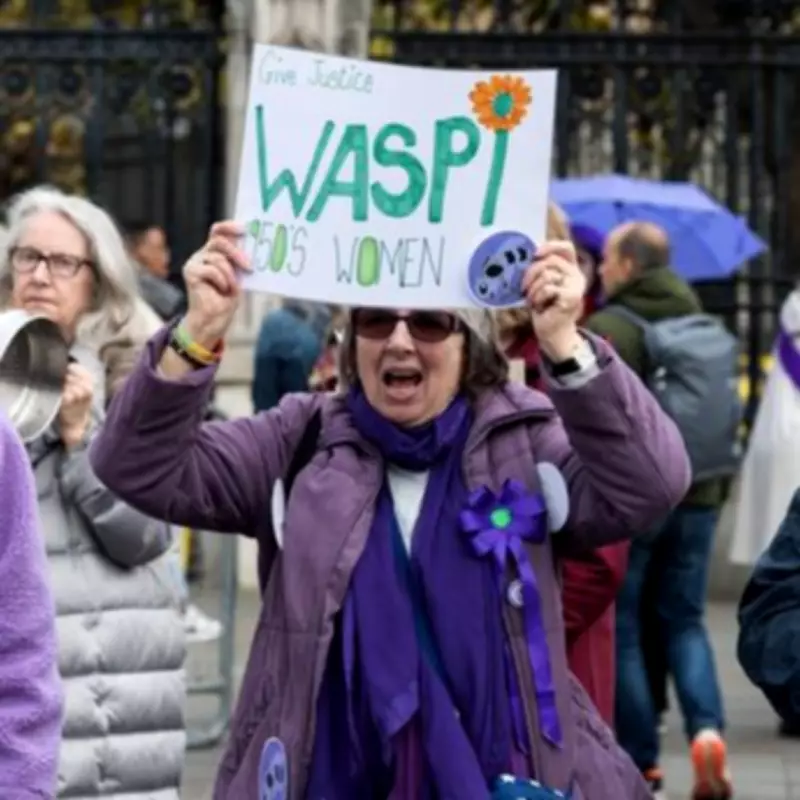
Work and Pensions Secretary Pat McFadden has confirmed that the government will not provide compensation to the Women Against State Pension Inequality (Waspi) campaigners, marking the second major rejection of their claims. This decision affects millions of women born in the 1950s who argue they were not properly informed about changes to their state pension age.
Official Justification for the Decision
In a statement to the House of Commons, Mr McFadden asserted that most women from this generation were already aware of the pension age increases due to widespread public information campaigns. He emphasised that establishing a compensation scheme would necessitate a complex and costly process to verify the individual circumstances of each affected woman, which he deemed impractical.
Angry Reactions from Campaigners and Political Opponents
The announcement has triggered a wave of criticism from various quarters. Angela Madden, chairwoman of the Waspi campaign, condemned the government's move as showing utter contempt towards the women involved. She vowed to continue fighting through parliamentary and legal channels to achieve justice.

Political parties were quick to voice their disapproval:
- Conservatives: Shadow Treasury minister Mark Garnier expressed sympathy, stating that pensioners are understandably angry and criticising the Labour government for turning against the Waspi women after previously supporting them.
- Liberal Democrats: Work and pensions spokesperson Steve Darling described the decision as a punch in the stomach for the 3.6 million affected women, accusing the government of relegating the issue to the too hard to do file.
- Plaid Cymru and SNP: Both parties labelled the announcement deeply disappointing and a betrayal, with the SNP's Kirsty Blackman MP noting it undermines faith in the Westminster establishment.
Background and Financial Implications
This verdict follows a previous recommendation by the Parliamentary and Health Service Ombudsman, which suggested compensation ranging from £1,000 to £2,950 per woman. The government rejected this proposal, citing an estimated cost of £10.5 billion to taxpayers, despite acknowledging administrative failures in communicating the pension changes.
Historical context reveals that a 2007 Department for Work and Pensions assessment led to the cessation of automatic pension forecast letters, a key point in the campaigners' arguments. The ongoing legal and parliamentary battles highlight the deep-seated frustrations over how these pension reforms were handled.