Welsh First Minister Calls for Focus on Domestic Priorities in May Election
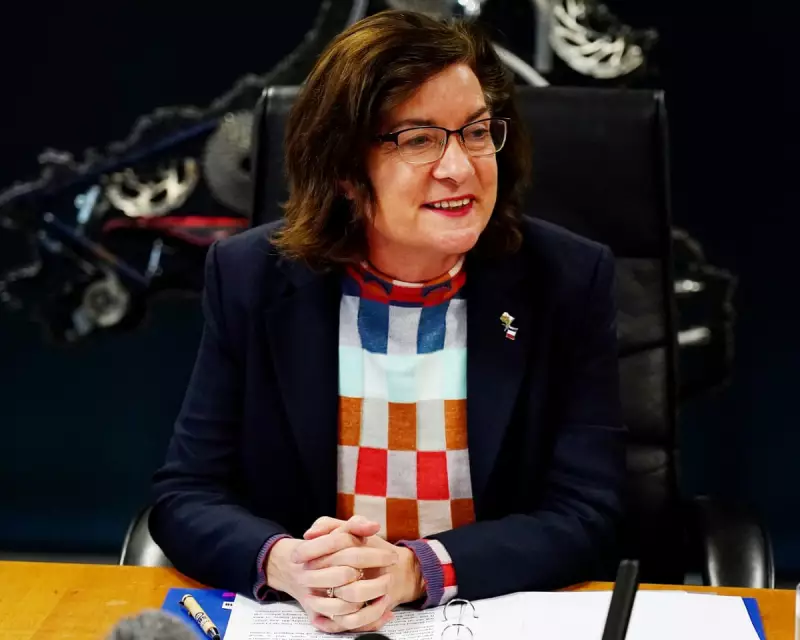
In an exclusive interview with the Guardian, Welsh Labour First Minister Eluned Morgan has issued a stark warning to voters ahead of the May Senedd elections. She has urged the electorate not to treat the upcoming vote as a referendum on UK Prime Minister Keir Starmer, but instead to concentrate on the critical issues facing Wales itself.
Morgan emphasised that with the economy and public services at a pivotal juncture, this is not the moment for symbolic protest votes. Her comments come as Labour faces a significant electoral challenge, with polls indicating the party could lose its long-standing dominance in the Welsh parliament.
A Battle for Third Place and the Independence Question
The political landscape in Wales is shifting dramatically. Current polling suggests that Reform UK and the pro-independence party Plaid Cymru are on track to secure more seats than Labour, potentially relegating the party to third place. This reflects a growing public appetite for change after 26 years of Labour administration in Cardiff Bay.

Morgan expressed particular concern about the possibility of two pro-independence parties—Plaid Cymru and the Greens—gaining substantial power. She argued this would create a "massive distraction" from the essential, day-to-day business of governing and delivering services for the people of Wales.
"I do hope that people in this election will recognise that this is not a time to send a protest vote towards Keir Starmer," Morgan stated. "This is a time where people have to work out what is best for their communities and delivery of services."
Standing Firm on Welsh Interests Amid UK Tensions
The First Minister was unequivocal about her commitment to championing Wales's needs, even when they conflict with the UK government's agenda. "I would not retreat from fighting for Wales’s priorities," she declared, highlighting her determination to secure the best outcomes for the nation regardless of Westminster's stance.
However, she acknowledged the difficult political climate for her party. The potential return of Andy Burnham to Westminster has increased pressure on Starmer's leadership. Morgan expressed confidence that the Prime Minister would "get a grip" on governing after a turbulent initial period, but she notably declined to confirm whether he should lead Labour into the next general election, stating that decision rested with MPs.
"There is no doubt, though, that if Labour performed badly in Wales in May, the heat will be put up on Keir," she conceded, linking Welsh electoral fortunes directly to UK Labour's stability.
Economic Realities and the Brexit Legacy
Morgan provided a robust defence of her government's record, arguing that 14 of Labour's 26 years in power in Wales were spent managing under Conservative-imposed austerity measures. "We’re coming out of it now. We’ve got decent budgets that allow us to look to the future with hope," she said.
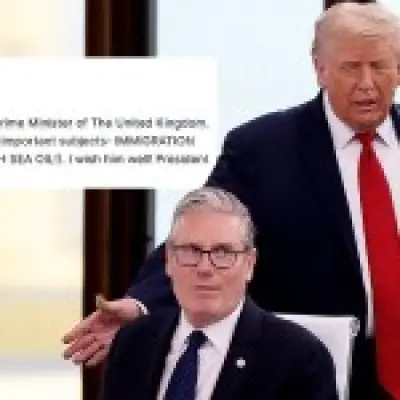
She contrasted this with the relative inexperience of the current UK government, expressing confidence that Westminster would eventually develop a clearer strategic vision. On international matters, she welcomed Starmer's firmer stance against Donald Trump's recent tariff threats, stating leaders must stand up for the international legal order while keeping a "cool head."
The conversation turned to the enduring impact of Brexit, a subject of particular significance for Wales. Morgan stressed that rebuilding the closest possible trading relationship with the European Union was "critical" for the Welsh economy, which relies on goods exports for 59% of its trade, compared to just 32% for the UK as a whole.
"Since we’ve left, proportionately, Wales is impacted more than England, because our economy is one based on goods rather than services," she explained. "The irony is, of course, that it was those communities that voted for Brexit that have paid the price in terms of jobs because of that reduction in trade."

While ruling out an immediate campaign to rejoin the EU, Morgan insisted the option should remain "on the table in the long term." Her immediate focus, she reiterated, was on "bread and butter" domestic issues: growing the Welsh economy and improving vital public services.
Addressing Criticism and Countering Political Rivals
Facing criticism over NHS waiting lists in Wales, which remain higher than in England, Morgan defended her government's progress. She claimed lists had been reduced by 90% from their peak and argued that direct comparisons with England were flawed, likening it to "comparing apples with pears" due to different measurement methodologies.
Her warnings extended to other political competitors. She dismissed the idea that a vote for Plaid Cymru was not an endorsement of independence, suggesting it would be "too tempting" for its leader, Rhun ap Iorweth, not to pursue that ultimate goal. She highlighted the severe financial implications, pointing to an estimated £14 billion funding gap that independence could create.
"You can’t have it both ways," Morgan argued. "The nationalists are trying to say, ‘Give us more money England’, while we head for the door."
She also took aim at Reform UK, which polls suggest could secure second place. Morgan warned against its "politics of anger and division," claiming figurehead Nigel Farage "doesn’t know the first thing" about Wales. She characterised the party as merely "recycled Tories" and "Conservatives 2.0," hoping the Welsh public would not be fooled by its presentation as a fresh alternative.
As the May election approaches, Eluned Morgan's message is clear: the vote must be about Wales's future prosperity and stability, not a verdict on Westminster politics. The outcome will test whether voters agree with her assessment or seek a more profound change in the nation's political direction.