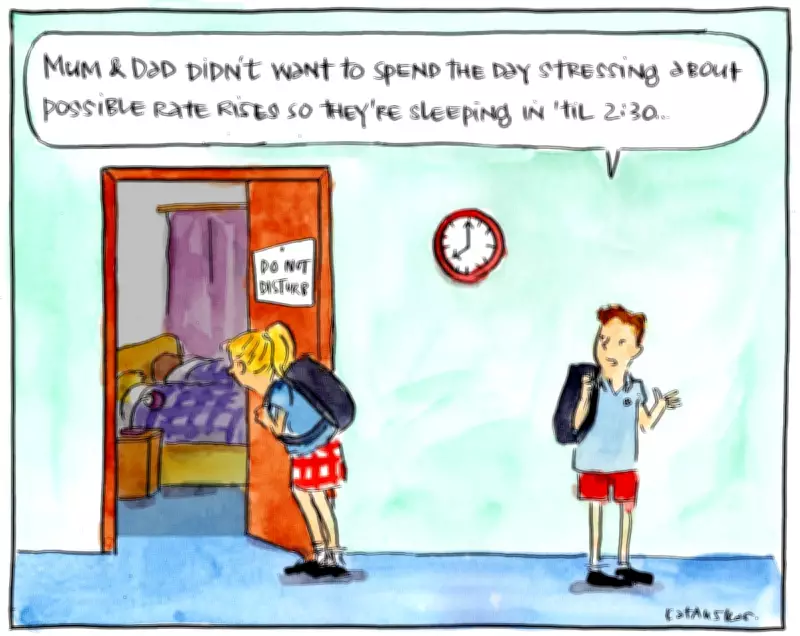
Speculation is intensifying across the United Kingdom regarding a potential rise in interest rates, a move that could have significant repercussions for households, businesses, and the broader economic landscape. With the Bank of England's Monetary Policy Committee under scrutiny, financial analysts and economists are debating the optimal approach to managing this anticipated shift in monetary policy.
Understanding the Current Economic Context
The UK economy has been navigating a complex period marked by inflationary pressures, fluctuating growth rates, and ongoing global uncertainties. In this environment, the prospect of an interest rate increase is seen by many as a tool to curb inflation, but it also raises concerns about increased borrowing costs and potential impacts on consumer spending and investment.
Strategies for Individuals and Households
For individuals, preparing for a potential rate rise involves several key steps. Financial advisors recommend reviewing existing debts, such as mortgages and loans, to consider fixed-rate options that could lock in current lower rates. Building an emergency savings fund is also crucial to buffer against higher monthly repayments. Additionally, reassessing budgets to prioritise essential spending can help mitigate the financial strain that might accompany increased interest costs.

Implications for Businesses and Investors
Businesses, particularly small and medium-sized enterprises, may face challenges with higher borrowing costs affecting expansion plans and operational expenses. Experts suggest that companies should explore refinancing options, diversify funding sources, and focus on efficiency improvements to maintain profitability. Investors are advised to adjust portfolios by considering assets that historically perform well in rising rate environments, such as certain types of bonds or sectors less sensitive to interest rate changes.
Expert Opinions and Policy Considerations
Economists emphasise that any decision by the Bank of England should be data-driven, balancing the need to control inflation with the risk of stifling economic recovery. Some argue for a gradual approach to rate hikes to allow markets and consumers time to adjust, while others advocate for more decisive action to prevent inflationary expectations from becoming entrenched. The debate highlights the delicate balance policymakers must strike in steering the UK economy through uncertain times.
As discussions continue, staying informed and proactive is essential for navigating the potential changes ahead. By understanding the factors at play and implementing sound financial strategies, individuals and businesses can better position themselves to handle the implications of an interest rate rise in the UK.