
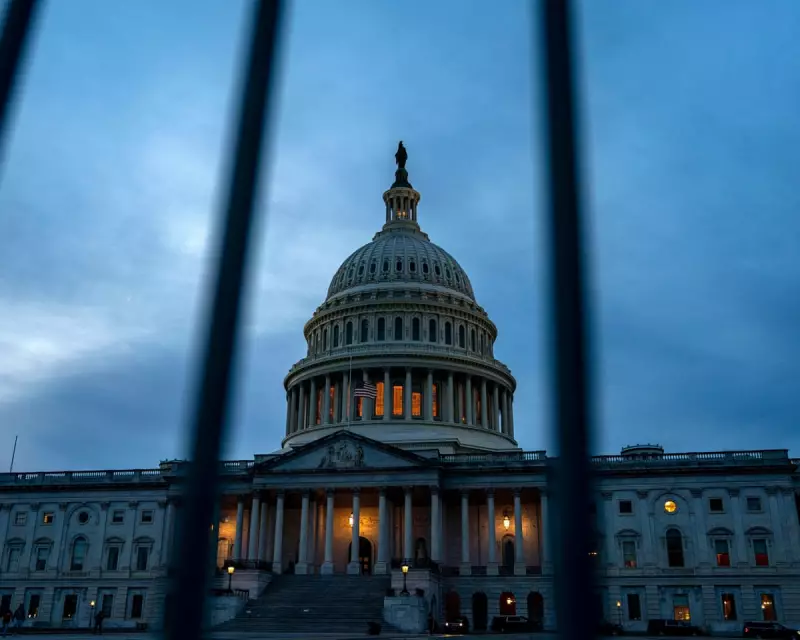
Breakthrough in Washington as Senate Acts on Shutdown
The United States Senate took decisive action on Sunday, moving towards a critical vote that could finally end the historic federal government shutdown now in its 40th day. This represents the most significant progress Washington has seen in weeks towards resolving the political stalemate that has paralysed parts of the American government.
Legislative Manoeuvring and Healthcare Standoff
According to John Thune, the Senate's Republican majority leader, senators plan to vote on advancing a House-passed stopgap funding bill as early as Sunday night. The understanding is that this legislation would be amended to combine a short-term funding measure with a package of three full-year appropriations bills.
However, the path forward remains complicated. Senate Democrats have consistently resisted efforts to pass funding measures without guarantees on healthcare fixes, specifically aiming to pressure Republicans into agreeing to extend expiring subsidies under the Affordable Care Act. Under the emerging deal, the Senate would agree to hold a separate vote later addressing these crucial subsidies.
The amended package would still require passage by the House of Representatives and ultimately need to be sent to Donald Trump for his signature - a process that could potentially take several more days to complete.
Democratic Divisions and Progressive Backlash
Significant opposition emerged from within Democratic ranks. Richard Blumenthal, a Democratic senator for Connecticut, told reporters he would vote against the funding measure, stating he was "unwilling to accept a vague promise of a vote at some indeterminate time" on healthcare subsidies.
Leading progressive voices were even more dismissive. Elizabeth Warren of Massachusetts bluntly called the emerging compromise "a mistake," while Bernie Sanders of Vermont warned it would be "a policy and political disaster for Democrats to cave."
In the House, Democratic leaders expressed strong opposition. Hakeem Jeffries, the House minority leader, promised to fight the proposed legislation, declaring "We will not support spending legislation advanced by Senate Republicans that fails to extend the Affordable Care Act tax credits."
Mounting Pressure and Economic Consequences
The shutdown, now entering its sixth week, has created widespread disruption across American society. Federal workers have been sidelined, food aid programmes affected, and national parks impacted. Perhaps most critically, air traffic control staffing shortages threaten to derail travel during the busy Thanksgiving holiday season later this month.
Thom Tillis, a Republican senator from North Carolina, acknowledged the mounting effects have pushed the chamber toward agreement, noting "Temperatures cool, the atmospheric pressure increases outside and all of a sudden it looks like things will come together."
The economic stakes continue to rise. White House economic adviser Kevin Hassett warned that should the government remain closed much longer, economic growth could turn negative in the fourth quarter, particularly if air travel doesn't normalise by Thanksgiving on 27 November.
Meanwhile, millions of Americans face a healthcare crisis as experts estimate monthly premiums for 2026 Obamacare plans could more than double on average without the pandemic-era subsidies due to expire at year's end.




