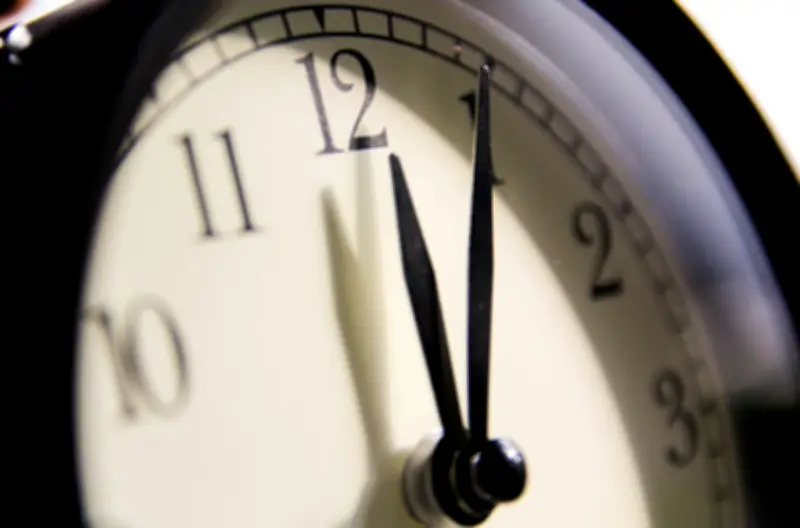
The House rules committee approved the rule to advance the bill on a 6-4 vote on Monday. The legislation, known as the Sunshine Protection Act, would make daylight saving time permanent, ending the practice of changing clocks twice a year.
Bipartisan support and next steps
The bill has bipartisan support, including backing from Donald Trump and some Democratic co-sponsors. It was sponsored by Vern Buchanan, a Florida Republican representative. The measure would still need approval from the full House and then be taken up by the US Senate.
Most US states currently change clocks twice a year, springing forward in spring and falling back in fall to extend daylight hours. Hawaii and most of Arizona do not participate in the clock-changing.
Impact and previous approvals
If enacted, the bill would make daylight saving time the new permanent standard time, resulting in later sunrises and sunsets and providing more daylight during evening hours in darker months. The House energy and commerce committee previously approved the bill in May with a 48-1 vote.
After that vote, Trump wrote on Truth Social that the bill would be a "very nice WIN for the Republican Party." He added, "We are going with the far more popular alternative, Saving Daylight, which gives you a longer, brighter Day – And who can be against that – This is an easy one!"
History and ongoing debate
Daylight saving time was introduced in the early 20th century to conserve energy and provide more sunlight during wartime. However, it has remained a topic of national debate. Previous efforts to establish permanent daylight saving time have stalled legislatively, though support for ending the clock-changing practice is growing.
According to the National Conference of State Legislatures, 19 states have state-level laws that would allow for permanent daylight saving time if Congress approves such a measure. There is also debate over whether daylight saving time or standard time should be the set standard. Sleep medicine specialists have argued that fixed standard time is more aligned with circadian rhythms.