
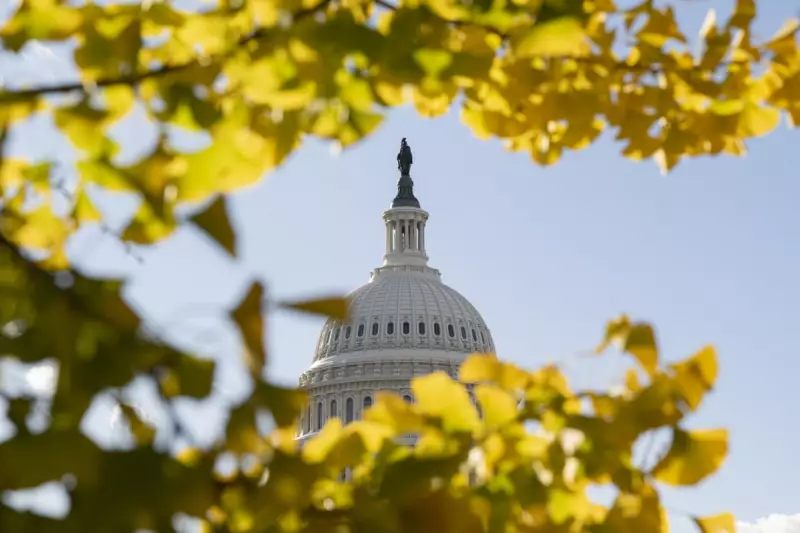
The United States endured a gruelling 43-day federal government shutdown, a political stalemate that wreaked havoc on public services, stranded travellers, and left hundreds of thousands of workers without pay. The crisis began in September when Senate Democrats decided to use a crucial funding bill to fight for expiring health care subsidies, setting the stage for a prolonged confrontation with the Trump administration.
The Shutdown Unfolds: Key Disruptions Week by Week
The shutdown commenced on 1 October after the Senate rejected both Republican and Democratic funding proposals. This immediately impacted the federal workforce, furloughing roughly 67,000 employees and forcing another 730,000 to work without pay. The disruption spread quickly, with the Department of Education furloughing 95% of its staff by 2 October and national parks beginning to close.
By 10 October, the Trump administration, via Budget Director Russ Vought, announced thousands of layoffs across agencies including the Environmental Protection Agency and the Departments of Commerce and Health and Human Services. However, a federal judge blocked these mass layoffs on 15 October. The situation escalated for air travel when, on 17 October, a key US nuclear agency sent most of its workforce home, and pilots' unions began publicly calling for an end to the shutdown.
Mounting Pressure and National Unrest
The shutdown reached a critical point as it became the second-longest in US history on 22 October. Public discontent boiled over with an estimated seven million people participating in 'No Kings Day' protests against Trump on 18 October. The financial strain on workers became acute when federal employees missed their first full paycheck on 24 October.
The crisis deepened significantly for millions of Americans relying on food assistance. On 1 November, Snap benefits stopped for 42-43 million people as the Agriculture Department ran out of funding for the first time in the programme's six-decade history, despite federal courts ruling the withholding illegal.
Travel chaos intensified, with the Federal Aviation Administration announcing on 7 November that it would reduce flights by up to 10% at 40 major airports, including hubs in New York, Chicago, and Los Angeles. By 5 November, FlightAware reported over 16,700 flight delays and 2,282 cancellations.
The Path to Resolution and Political Fallout
The political deadlock finally broke on 9 November when a coalition of seven moderate Democrats and one independent sided with Republicans on a procedural vote. This group, including Senators Jeanne Shaheen, Maggie Hassan, and Angus King, negotiated a deal with Senate Majority Leader John Thune and the White House.
The final bill to fund the federal government through 30 January 2026 passed the Senate on 10 November and the House on 12 November with a 222-209 vote. Crucially, the deal did not include a guaranteed extension of the Affordable Care Act subsidies that had sparked the fight, instead only promising a future vote. The economic toll was already severe, with the Congressional Budget Office estimating $7bn in losses by late October.
The resolution came amid significant political repercussions, with Democrats scoring key electoral victories on 5 November and angry members of their own party calling for Senate Minority Leader Chuck Schumer to resign after the prolonged impasse.




