
Ukraine's European Dream Meets Political Reality
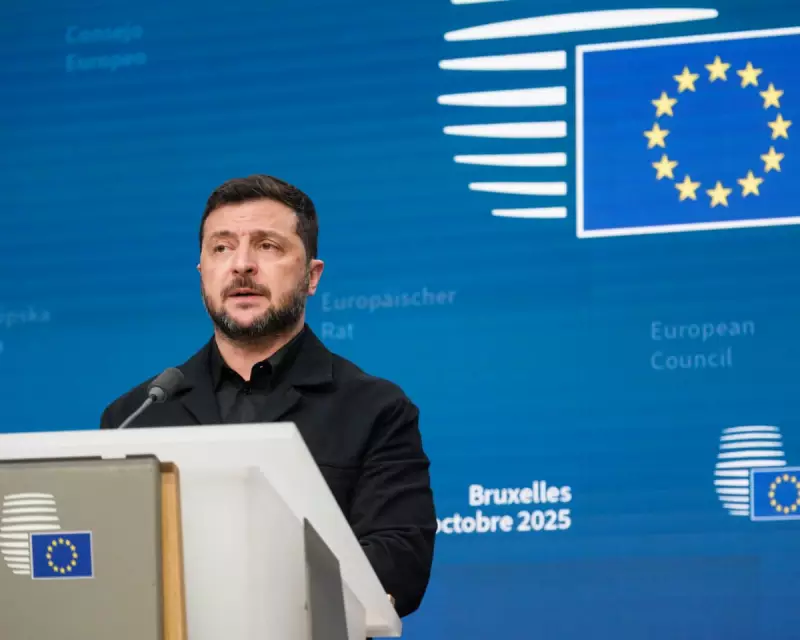
President Volodymyr Zelenskyy is fighting a dual battle - defending Ukraine against Russian aggression while simultaneously pursuing his nation's European Union membership ambitions. The wartime leader has made it clear he wants Ukraine to join the EU before 2030, seeing his people's sacrifice as part of their struggle for a European future.
Progress Amidst Conflict
Despite nightly Russian airstrikes hammering Ukraine's energy grid and millions of citizens living as refugees, the country has made impressive strides toward EU integration. The European Commission's recent review placed Ukraine among four frontrunner candidates, alongside Moldova, Albania, and Montenegro. EU foreign policy chief Kaja Kallas has stated that having these four nations join by 2030 represents a realistic goal.
Ukrainian negotiators often work from bunkers while conducting accession talks, yet Brussels officials remain upbeat about Kyiv's reform efforts. Negotiations could theoretically conclude by late 2028, though concerns about corruption persist, particularly with emerging details about an alleged scandal at Ukraine's state energy operator.
The Veto Problem and Hidden Opposition
The European Commission's optimism meets a sobering political reality: all 27 EU member states must unanimously agree to each phase of accession. Currently, Hungary's autocratic leader Viktor Orbán is blocking the formal opening of negotiations with Kyiv. Since Moldova's application is bundled with Ukraine's, it too remains stuck.
While many hope Hungary's April elections might unseat Orbán, other EU governments with domestic political concerns may be hiding behind the Hungarian veto. The surge of far-right parties across Europe - including Marine Le Pen's National Rally in France and similar movements in Germany - creates a daunting broader context for Ukraine's acceptance.
Analysts note a troubling gap between verbal commitments and real intentions. As one close observer of the process remarked: "I am not convinced that many countries in the EU really want Ukraine to be a full member, for different reasons. And it is a tragedy: because the EU would win the lottery by bringing in Ukraine."
Budgetary Fears and Agricultural Concerns
The geopolitical case for admitting Ukraine grows stronger amid Putin's hybrid war on Europe, but so do the political and budgetary obstacles. Even after negotiations conclude, ratification by all 27 member states - some requiring referendums - presents another major hurdle.
Public opinion across the EU shows 41% opposition to Ukraine's membership. Meanwhile, countries including Poland, Hungary, and Slovakia worry their farming economies would suffer if agricultural giant Ukraine becomes eligible for EU farm subsidies. The costs involved are substantial, given Ukraine's relative poverty and staggering reconstruction needs.
Broader enlargement fears also loom large. Many worry that adding multiple new members could destabilise rather than strengthen the EU unless internal reforms are first implemented to prevent paralysis in a 30-plus nation club.
Creative Solutions and Political Narratives
Officials in Brussels are exploring creative solutions to circumvent Orbán's veto, including "front-loading" where negotiations could begin informally until Budapest's blockade is lifted. There's also discussion of writing tough new legal safeguards and long probationary periods into accession treaties to reassure sceptics.
PR campaigns and narratives aimed at winning hearts and minds in both existing member states and applicant nations are being planned. The stakes are high, as Moldovan President Maia Sandu warned: "If we don't deliver in the next three years... then what's going to be the message to the people?"
As Zelenskyy emphasised in a recent Guardian interview, something greater than logic may be needed to hold Europe together through these challenging times - the same quality that he believes sustains the Ukrainian people through their ongoing struggle.




