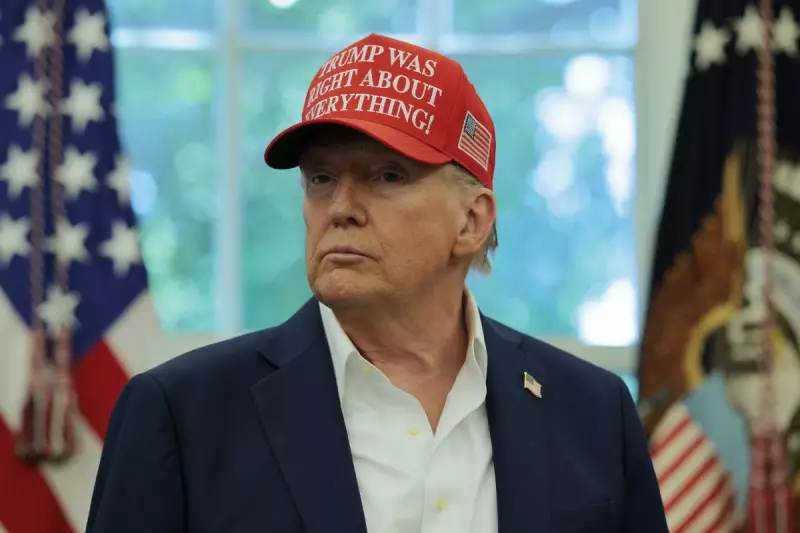
As 2026 unfolds, US President Donald Trump has initiated a significant wave of executive clemency actions, focusing particularly on individuals convicted of white-collar offences. This development marks a continuation of his administration's approach to criminal justice matters and has ignited fresh political controversy in Washington.
A Pattern of Pardons for Financial Crimes
Since 15th January 2026, President Trump has granted clemency to 21 individuals, with 10 of these reprieves specifically benefiting people convicted of fraud and various white-collar crimes. This represents nearly half of all clemency actions taken during this period, according to detailed reporting from the Financial Times.
This recent flurry of activity follows the anniversary of Trump's 2024 election victory and the commencement of his second presidential term. During that earlier period, the president provided relief to 42 individuals who had faced charges related to white-collar criminal activities, establishing a clear pattern in his administration's approach to such cases.

High-Profile Cases Receiving Presidential Attention
Among the notable beneficiaries of Trump's clemency powers is Changpeng Zhao, the founder of cryptocurrency exchange Binance. Zhao had pleaded guilty to failing to maintain an effective anti-money-laundering programme and served a four-month prison sentence in 2024 before receiving presidential clemency.
Another prominent figure reportedly seeking presidential intervention is Elizabeth Holmes, the disgraced founder of blood-testing company Theranos. Holmes began serving an 11-year sentence in May 2023 at a minimum-security federal prison in Texas, though this was later reduced to nine years. She was convicted of defrauding investors in her now-defunct healthcare technology company.
The list extends to Tim Leissner, the former Goldman Sachs banker at the centre of the international 1MDB scandal. Leissner had pleaded guilty and cooperated with prosecutors, and his legal representatives have argued that clemency is "appropriate and just" given current Department of Justice policies.
Regulatory Context: The FCPA Pause
This wave of pardons occurs against the backdrop of significant regulatory changes implemented by the Trump administration. Last year, President Trump ordered a pause to enforcement of the Foreign Corrupt Practices Act (FCPA), describing the 1977 legislation as "overexpansive and unpredictable" and claiming it wasted "limited prosecutorial resources."
The FCPA makes it illegal for US companies and citizens to make payments to foreign government officials to secure improper advantages in business dealings. Legal experts have noted that the presidential halt to this law "will certainly dry up US enforcers sharing information about US companies with their foreign enforcers," according to Mark Srere, partner at law firm BCLP.
Political Backlash and Accusations
President Trump's apparent lack of focus on white-collar crime has drawn sharp criticism from political opponents. Senator Elizabeth Warren and fellow Democrats have accused the president of letting white-collar criminals "off the hook" while prioritising other enforcement agendas.
Democratic lawmakers have demanded an investigation into the president's reallocation of more than 25,000 personnel away from investigating fraud, tax evasion, and money laundering cases. These resources have reportedly been redirected toward immigration enforcement initiatives with Immigration and Customs Enforcement (ICE), according to congressional critics.
The combination of presidential pardons for white-collar offenders and the administration's regulatory pause has created a perfect storm of political controversy, with opponents arguing that these actions undermine financial accountability and equal justice under law.