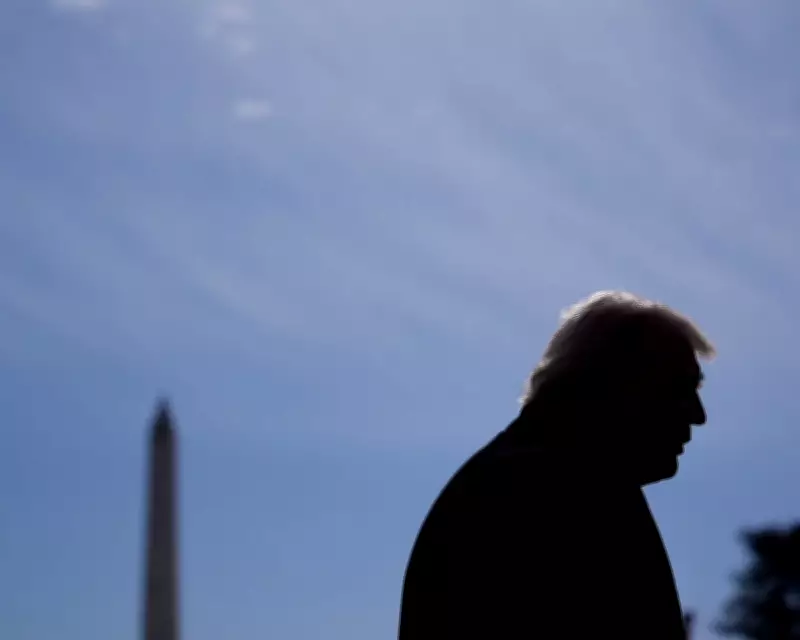
Former President Donald Trump addressed members of the press outside the White House on 27 January 2026, in a scene captured by photographer Kent Nishimura. This moment occurred amidst a period of intense political scrutiny following controversial actions by federal immigration agencies.
The Illusion of Concession
It represents a profound naivety for Democratic politicians and European allies to interpret Donald Trump's apparent retreats as genuine policy reversals. The reality demonstrates that Trump rarely maintains strategic withdrawals for extended periods. Whether confronting international disputes or domestic controversies, the former president typically executes just enough tactical maneuvering to navigate through damaging news cycles before resuming previous positions.
Minneapolis: A Case Study in Temporary De-escalation
This pattern manifested clearly during the Minneapolis crisis that unfolded following the tragic shooting of Alex Pretti, an intensive care nurse who sustained multiple gunshot wounds from masked Customs and Border Protection agents. The incident provoked widespread public revulsion, particularly as video evidence contradicted initial administration claims characterizing Pretti as a potential assassin.

In response to mounting pressure, Trump initiated what appeared to be de-escalation measures. He removed Gregory Bovino, the CBP official who had become the public face of aggressive immigration enforcement operations in Democrat-led cities. The administration also conducted emergency meetings with Homeland Security Secretary Kristi Noem while notably excluding Stephen Miller, the architect of hardline immigration policies, from discussions.
Trump further engaged with Democratic leaders in Minnesota, suggesting afterwards that they had reached common understanding. These actions generated praise from some quarters as evidence of presidential restraint.
The Reality Behind the Appearance
However, these measures proved temporary. Within days, Trump resumed threatening Minneapolis's Democratic mayor, warning about "playing with fire" when interfering with Immigration and Customs Enforcement operations. When questioned about potential policy reversals in Minnesota, Trump explicitly denied any substantive pullback.
The administration continued its enforcement activities, exemplified by the arrest of former CNN anchor Don Lemon on charges related to protest participation. Both Noem and Miller retained their positions despite earlier indications of possible personnel changes.
Federal agencies continued acquiring large-scale detention facilities for immigration detainees, while Trump pursued legal action against the Internal Revenue Service seeking billions in compensation for leaked tax documents—a case he would ultimately oversee as president.
The Strategic Pattern
This behavior follows a consistent strategic pattern: Trump executes minimal concessions to survive politically damaging periods, waits for public attention to diminish, then resumes previous policies. The Greenland territorial dispute demonstrated similar dynamics, with initial threats followed by apparent withdrawal under pressure, only to have demands resurface through diplomatic channels shortly afterwards.
Political Implications and Warnings
The danger emerges when political opponents misinterpret these tactical pauses as substantive victories. Senate Democrats potentially fell into this trap by agreeing to continue government funding without securing concrete restrictions on ICE operations, opting instead for two weeks of negotiations during which public outrage might dissipate.
An administration official acknowledged this strategic calculation, noting that de-escalation measures aimed specifically to placate Democratic senators enough to prevent them from leveraging maximum political advantage during peak public anger.
Essential Lessons for Opposition
The critical lesson for those opposing Trump's policies—whether domestic political rivals or international allies—involves recognizing tactical withdrawals without celebrating prematurely. Effective resistance requires maintaining pressure even after apparent concessions, understanding that pauses typically represent strategic recalibration rather than genuine policy abandonment.

Minneapolis residents demonstrated alternative approaches through nonviolent monitoring of enforcement activities rather than confrontational responses that might justify escalated federal intervention. Their disciplined response denied the administration pretexts for invoking more extreme measures while keeping public attention focused on agency conduct.
As political dynamics continue evolving, observers must distinguish between genuine policy shifts and temporary tactical maneuvers designed to weather political storms before resuming previous trajectories.