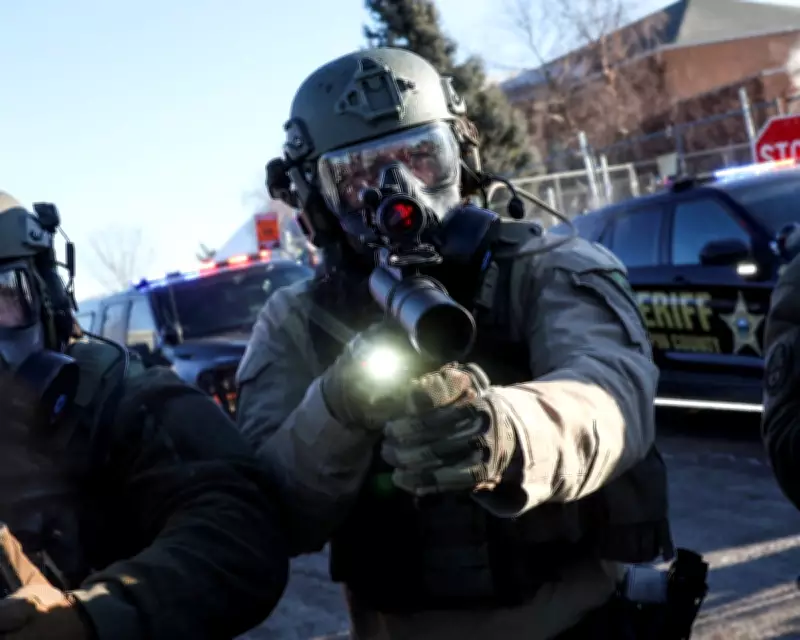
Donald Trump appears to be applying his signature "art of the deal" tactics to Minnesota Governor Tim Walz, as he seeks to extract significant concessions from the North Star state. In exchange for a potential reduction in federal Immigration and Customs Enforcement (ICE) agents, Trump is demanding increased cooperation between federal and local law enforcement, which could compromise Minnesota's autonomy.
The Details of the Proposed Agreement
Reports indicate that border czar Tom Homan's negotiations with state and local leaders suggest dialing back ICE is contingent on Minnesota agreeing to participate in ICE roundups. This would involve turning over undocumented immigrants in state custody, ending various "sanctuary city" protections, and granting ICE agents more direct access to state penitentiaries to conduct their own roundups prior to the release of undocumented inmates.
Adding to the complexity, a letter from US Attorney General Pam Bondi earlier this week hinted that the justice department's civil rights division might demand access to state voter rolls in exchange for the ICE drawdown. Trump's contradictory remarks on Thursday evening, denying plans to reduce ICE, only served to confuse matters, possibly indicating that negotiations did not proceed smoothly for his team.

The Risks of Caving to Trump's Demands
If Governor Walz were to agree to such terms, he would be abandoning critical domains of state autonomy in a futile attempt to appease a president who recognises no limits except those imposed by necessity or self-interest. As law firms, universities, foreign leaders, and even former allies have discovered, negotiating with a rank opportunist like Trump, who operates solely by the rule of self-interest, is perilous. For Trump, the alternative to receiving what he wants voluntarily is taking it by force, as evidenced by the FBI raid on the Fulton county elections office in Georgia to seize ballots from the 2020 election.
Threats to State Prosecutorial Authority
A deal with Minnesota could also target another vital area of state autonomy: the state's authority over its own prosecutorial process, including access to crime scene investigations. With two Americans shot dead by federal agents, Minnesota needs to investigate and potentially prosecute those responsible. However, the Department of Homeland Security (DHS) is barring state investigators from accessing the crime scene, despite a federal warrant, likely to avoid exposing embarrassing information about systematic violations of lawful rules for the use of force.
The right to investigate and prosecute government officials is a powerful tool for enhancing transparency and exposing corruption. Under prosecutorial pressure, officials often defend themselves by claiming they acted according to orders and training, as Homeland Security Secretary Kristi Noem did in a recent press conference. This admission signals the Trump administration's intent to protect the agents involved, but a state investigation could expose them to murder charges under state law and even implicate higher-ups like Noem.
The Federal Government's Stance on Immunity
To forestall such outcomes, the federal government has argued that states lack the authority to prosecute federal agents, with JD Vance initially declaring "absolute immunity" for them before walking back his statement. This aligns with Trump-era litigation, where the president has claimed state courts lack jurisdiction over federal officers, similar to arguments made in his own prosecution in the Georgia election interference case.
The Broader Implications for States' Rights
Protecting Minnesota's ability to prosecute crimes within its jurisdiction is more crucial than the short-term goal of reducing ICE presence. It may even outweigh protecting state election autonomy, as ensuring states can enforce the law is the ultimate safeguard against a federal government that might threaten First Amendment rights, detain citizens without due process, invade homes without warrants, steal elections, or kill citizens in cold blood.
Minnesota represents the thin edge of the wedge for states' rights and their capacity to protect citizens. The rights of all 49 other states and their residents hang in the balance, making it imperative for Minnesota to stand firm against Trump's demands.