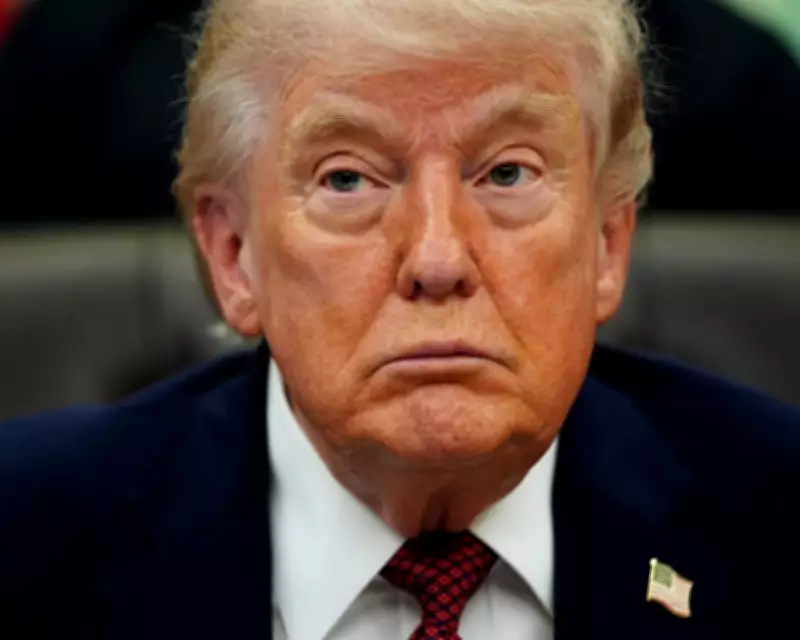
Terrible poll numbers would devastate most politicians, but Donald Trump appears unfazed. According to political analysts, the former president's declining approval ratings might inadvertently foster complacency among Democrats, potentially impacting future elections.
Trump's Defiant Response to Plummeting Polls
A recent NBC News poll reveals Trump's popularity has hit a second-term low, with only 37% of Americans approving of his overall performance. This marks a significant drop from 42% in December. The United States faces soaring living costs and international conflicts, with two-thirds of citizens believing the country is on the wrong track.
Despite these challenges, Trump continues to boast about alternative polling data. On his Truth Social platform, he recently shared outdated statistics from a January Wall Street Journal article, selectively highlighting favorable numbers on the economy, immigration, and tariffs. This pattern of cherry-picking data underscores his refusal to acknowledge broader public dissatisfaction.

The Dangerous Nihilism of a Flailing President
Anthony Scaramucci, who briefly served as White House communications director during Trump's first term, warns that the president has entered a "nihilistic stage" of his political career. "The polls don't matter ... consequences don't matter," Scaramucci wrote on social media. "That is the most dangerous version of this man."
Historical precedent suggests Trump won't follow Richard Nixon's 1974 resignation path, despite Nixon's approval ratings hovering around 24% during the Watergate scandal. Instead, analysts predict Trump will likely dig in deeper, becoming more vengeful and resistant to political pressure.
Democratic Overconfidence and Future Elections
The most concerning consequence of Trump's struggles might be Democratic complacency. Recent special elections show Democrats consistently overperforming, sparking optimism about regaining Senate control. However, this success could breed overconfidence.
Political observers worry that Democrats might approach the 2028 election relying primarily on not being Trump, rather than presenting compelling policy alternatives or strong leadership qualities. This strategy could backfire if the winning candidate inherits a difficult political landscape and fails to deliver meaningful change during their term.
The Broader Political Landscape
Trump's influence appears to be waning both domestically and internationally. The Iran conflict has exacerbated divisions within the MAGA movement, while Viktor Orbán's recent defeat in Hungary—despite campaigning support from Trump ally JD Vance—suggests diminishing global impact.
Yet approximately 37% of Americans continue supporting Trump regardless of circumstances. This unwavering base reflects deeper systemic issues within American politics that transcend any single political figure.
America's Political Soul and Presidential Reflection
Columnist HL Mencken's century-old observation about democracy seems particularly relevant today: "As democracy is perfected, the office of president represents, more and more closely, the inner soul of the people." Mencken's prediction that eventually "the White House will be adorned by a downright moron" appears uncomfortably prescient to many contemporary observers.
Ultimately, Trump represents a symptom rather than the cause of America's political challenges. Removing him from office wouldn't automatically resolve the underlying conditions that have created such polarized political support. The nation must address the fundamental issues that have made significant portions of the electorate resistant to changing their political allegiances regardless of performance or scandal.
The coming years will test whether American democracy can overcome both Trump's particular brand of politics and the systemic problems that enabled his rise to power. The danger lies not just in Trump's continued influence but in how his opponents respond to his weaknesses.