
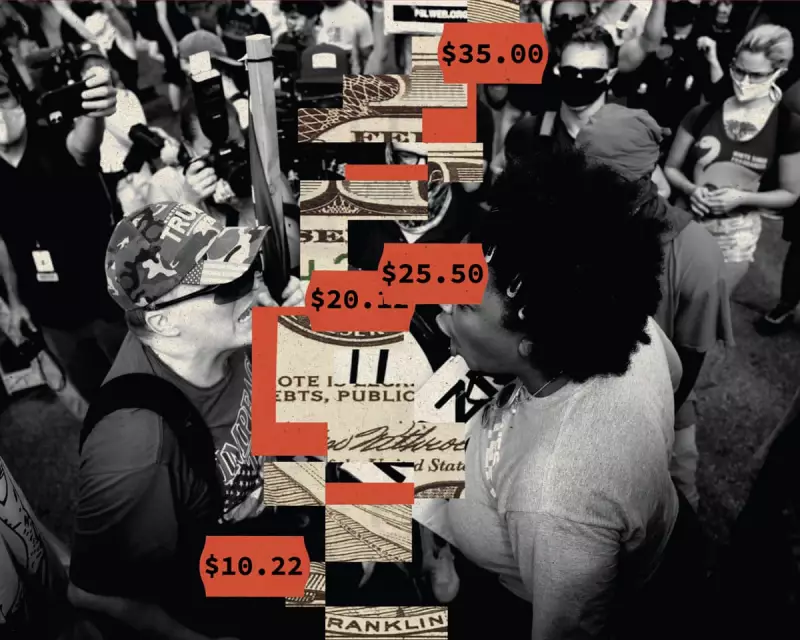
Donald Trump's 2024 election victory appeared to validate a political strategy built upon two core grievances within his Maga base: economic pressures and racial tensions. However, recent electoral setbacks suggest this approach is now unravelling as voters express discontent with unfulfilled economic promises.
The Winning Formula That Turned Sour
Trump's campaign successfully capitalised on voter frustration over rising living costs, particularly the inflation surge that peaked at 9% annually in July 2022. Although inflation had moderated to 2.7% by election day, many Americans remained convinced Trump would better manage economic pressures.
Simultaneously, the former president amplified racial divisions, positioning himself as defender of a white working class feeling increasingly marginalised in a diversifying nation. This dual strategy secured the presidency, but subsequent missteps have triggered a political backlash.
Economic Neglect and Its Consequences
After taking office, Trump largely abandoned economic concerns in favour of intensifying hostility toward immigrants and diverse urban communities. Rather than addressing supporters' financial struggles, his policies frequently exacerbated them.
His administration implemented tariff arrays against multiple trading partners, slowing economic growth while increasing prices for essential goods. The decision to terminate Obamacare insurance subsidies will dramatically raise premiums for millions. Perhaps most strikingly, ending Snap food assistance payments during government shutdowns deepened hardship for the poorest Americans.
Consumer sentiment has plummeted to near-historic lows according to University of Michigan data, with most households reporting increased financial strain despite stock market gains concentrated among wealthier investors.
Electoral Backlash Across America
The political consequences emerged clearly in recent special elections, where Democrats achieved significant victories. They secured mayoral control in New York City, gubernatorial wins in Virginia and New Jersey, and pushed through a California redistricting plan likely to cost Republicans five House seats.
More alarmingly for Trump, discontent spread beyond traditional Democratic strongholds into Republican territory. On November 4th, Democrats won state legislature races, county executive positions and other offices in traditionally conservative constituencies from Mississippi and Georgia to Virginia and Pennsylvania.
Although Trump claimed on Truth Social that "TRUMP WASN'T ON THE BALLOT, AND SHUTDOWN" explained Republican losses, his subsequent policy shifts suggest recognition of economic policy failures.
Attempted Course Correction
The administration has recently attempted damage control through several economic measures. These include removing some tariffs to reduce food prices, proposing a widely-mocked 50-year mortgage scheme to address housing affordability, and floating a $2,000 tariff-funded tax rebate.
However, these belated efforts may prove insufficient. Voters experiencing economic stagnation remember Trump's premature declaration that "we have no inflation", a claim Democrats repeatedly highlight in their midterm election preparations.
While racial resentment remains a powerful political force in America, particularly as demographic changes intensify Maga coalition anxieties, this analysis suggests economic delivery remains essential for maintaining power. Trump's failure to address core financial concerns, despite campaign promises, now threatens his political survival.




