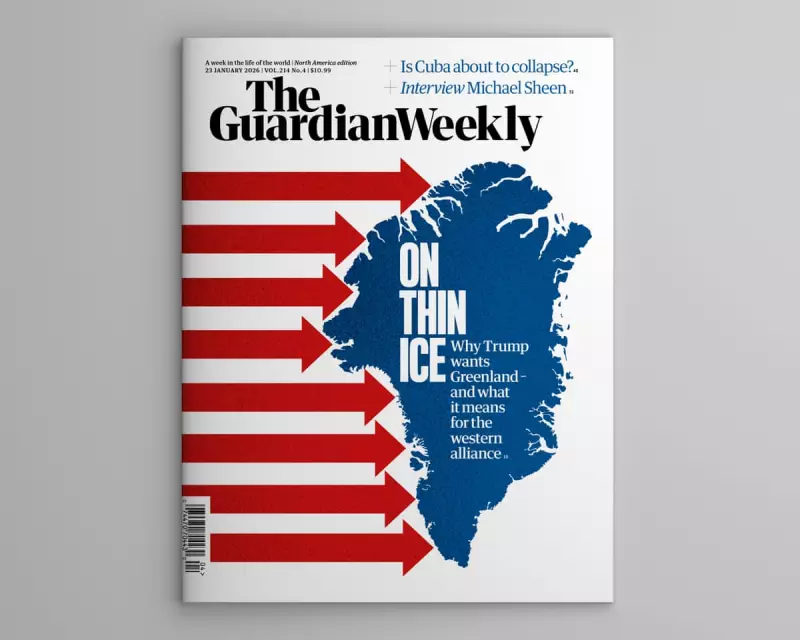
Trump's Arctic Ambitions Threaten Greenland and NATO Stability
The dystopian landscape of 2026 continues to unfold with alarming intensity, as former President Donald Trump appears determined to assert control over Greenland. His methods, whether through aggressive purchase negotiations or potential military force, have sent shockwaves through international diplomatic circles. This bold move not only targets the autonomous Danish territory but also threatens to destabilise the entire Western security alliance, raising profound questions about the future of global geopolitics.
A Stream of Provocations
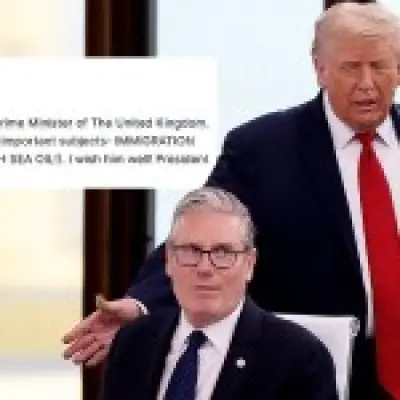
In characteristic fashion, Trump has communicated his intentions to European leaders through a barrage of social media insults and inflammatory rhetoric. As always with the controversial figure, it remains challenging to discern whether these statements represent strategic posturing ahead of negotiations or genuine precursors to military action. However, as detailed in this week's Big Story by Patrick Wintour and Jennifer Rankin, the damage to NATO cohesion appears to be already underway, regardless of ultimate intentions.
Melting Ice, Rising Tensions
The strategic importance of Greenland has been dramatically amplified by climate change, with melting sea ice opening new shipping routes and resource opportunities in the Arctic region. Visuals editor Ashley Kirk provides compelling graphical explanations of the shifting Arctic landscape and the complex territorial claims emerging in this newly accessible frontier. These environmental changes have transformed Greenland from a remote territory into a geopolitical hotspot of increasing desire.

The Human Impact
Remarkably absent from Trump's calculations are the perspectives of Greenland's own residents. During a visit to Nuuk, the territory's capital, Nordic correspondent Miranda Bryant encountered a population gripped by anxiety and confusion. Locals reported scanning skies and coastlines for signs of approaching US military presence, with many experiencing sleep disturbances as they contemplate an uncertain future under potential American control.
Essential Reading in This Week's Edition
Spotlight: The Cost of Trusting Trump
Deepa Parent and William Christou investigate the tragic consequences for Iranian protesters who believed Trump would become their unlikely saviour. Instead of rescue, they faced mass arrests and brutal suppression, leaving behind a landscape of despair where hope has been replaced by disillusionment.
Environmental Crisis: Thailand's Disappearing Dugongs
Gloria Dickie reports from Phuket on the alarming decline of dugong populations along Thailand's Andaman coast. Once home to one of the world's few viable populations of these marine mammals, the region has witnessed dead dugongs washing ashore with disturbing frequency, with approximately half the population now vanished.
Cuba's Precarious Position
Andrei Netto examines from Havana whether Cuba can survive its current crisis. After 68 years of US sanctions and economic collapse, disillusionment with the revolution has reached critical levels, with one in four Cubans having left in recent years, raising fundamental questions about the regime's future viability.
Historical Perspectives and Cultural Developments
In his final regular Guardian column, Martin Kettle reflects on the lessons history offers for navigating contemporary challenges, while Kate Wyver interviews Michael Sheen about his ambitious plans for the newly established Welsh National Theatre, aiming to bring major productions back to his homeland.
Additional Highlights
The edition also features uplifting stories including a mother and son's life-affirming journey across Australia and the surprising intelligence displayed by Veronika, an Austrian cow whose behaviour has prompted biologists to reconsider livestock capabilities. Further content explores whether US Immigration and Customs Enforcement has exceeded its authority, examines Reza Pahlavi's potential as an Iranian opposition leader, and showcases winners of the 2026 World Sports Photography Awards.