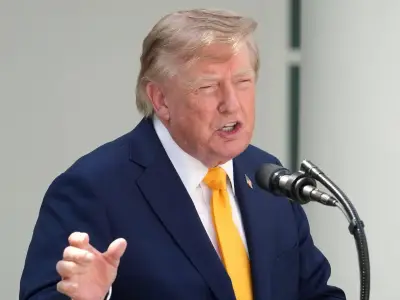
Donald Trump's pledge to give $5,000 to every American adult if Republicans retain control of Congress in November has been met with widespread criticism from both sides of the political aisle, with experts warning of severe economic consequences. The plan, which would cost an estimated $1.2tn, has been labeled a "shameless bribe" by critics and a "socialist vote-buying scheme" by some Republicans.
The Promise and Its Price Tag
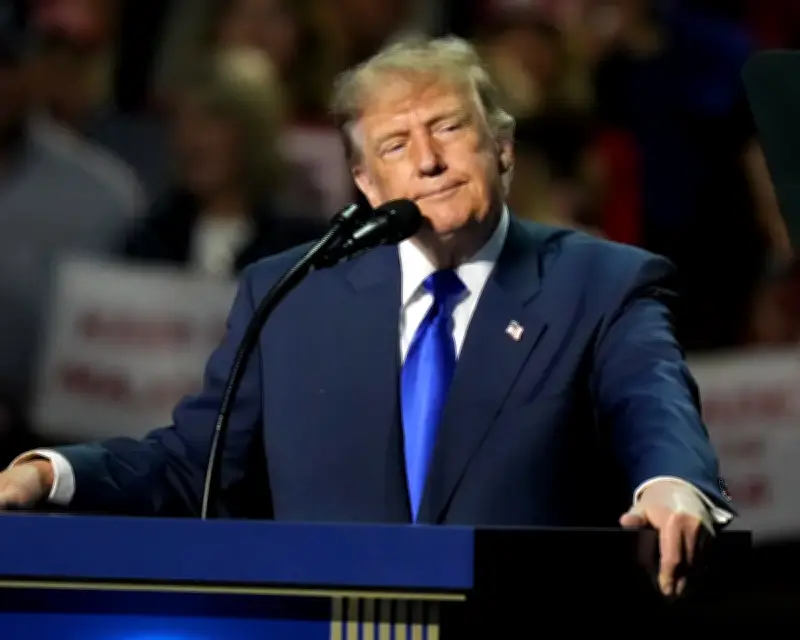
During a marathon speech at the Republican midterm convention, Trump declared, "Only I can make this promise to you," before unveiling the $5,000 per adult proposal. With an estimated 240 million adults in the US, the plan would cost a colossal $1.2tn – more than the Pentagon's budget and nearly what the US will spend on Medicare this year.
Trump egomaniacally called the payments a "Trump dividend," claiming the money was available "because of our tremendous strength and success economically." However, critics point out that the economic data does not support this assertion. Inflation is higher than when Joe Biden left office, GDP growth is slower, the trade deficit has jumped over 60% since April, the nation has lost 35,000 factory jobs since Trump's inauguration, and average monthly job growth is less than one-third of what it was during Biden's last two years in office.

Bipartisan Backlash
Many Republicans and Trump donors rushed to criticize the plan. Joe Lonsdale, a tech billionaire and Republican donor, said he was "strongly against bread and circus bribes," while Representative Bob Good of Virginia, former chair of the House Freedom Caucus, called Trump's promise a "socialist vote-buying scheme."
Trump's one-time ally Marjorie Taylor Greene also mocked the proposal, writing on X, "$5,000 for the peasants will be in the mail after the election only if you vote Republican, along with those DOGE and tariff money checks." Greene recalled that Trump had previously promised $2,000 dividends from tariff revenues and suggested that savings from Doge's budget cuts would go to Americans – neither of which materialized.
Economic Warnings
Maya MacGuineas, president of the Committee for a Responsible Federal Budget, issued a stern warning: "Debt is now as large as our entire economy, deficits are running $2tn per year, inflation is about 3.5%, and the 10-year Treasury yield is approaching 5%. This half-baked political scheme would make this all worse – exploding the deficit, ginning up inflation, and further driving up the cost of borrowing throughout the economy."
Kenneth Rogoff, a Harvard economics professor and former chief economist at the International Monetary Fund, told PBS, "The US is already running an unsustainable deficit. This would only blow [it] up even more and increase the already high odds of a debt crisis over next five years."
Funding Claims and Inflation Risks
After the plan faced an avalanche of criticism, administration officials rushed to insist that the $1.2tn wouldn't come from taxpayers or deficit spending. JD Vance claimed that much of the money would come from tariff revenues, while commerce secretary Howard Lutnick suggested that funds would come from charging wealthy foreigners for visas and from investments in Intel and other companies – claims that critics have dismissed as far-fetched.
The $5,000 payments would likely increase consumer demand, which would inevitably push up inflation, clashing with Trump's repeated promises to cut prices. The plan also risks spooking financial markets and nudging up interest rates, according to economists.
Steven Greenhouse, a journalist and author focusing on labor and economic issues, wrote that Trump's promise is "a loan from future generations" and an "unfair burden on our children and grandchildren." The proposal, he argued, assumes that Americans are easily bamboozled and would vote Republican for a $5,000 handout, but he believes "Americans are smarter than that and won't be fooled."