White House Softens Stance as Federal Presence in Minneapolis Diminishes
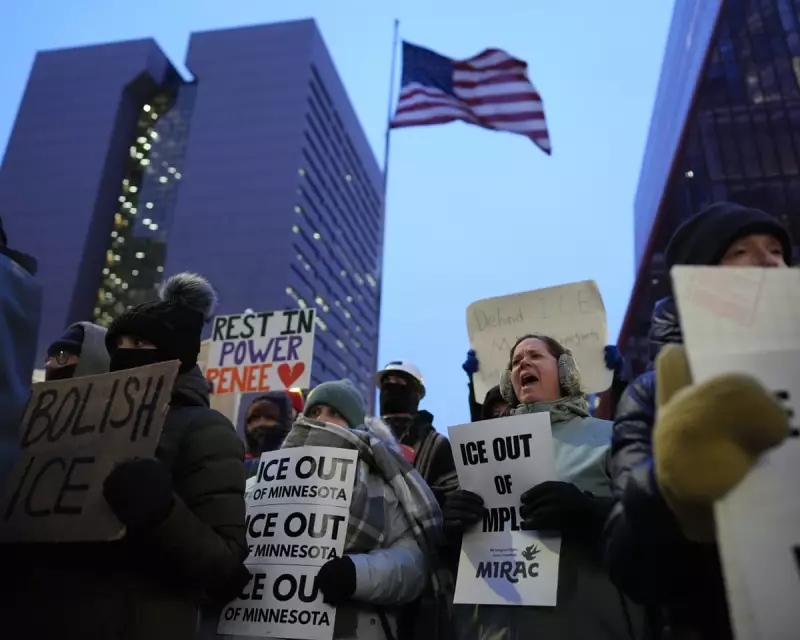
In a significant shift, the Trump administration has announced plans to scale back the number of federal immigration agents deployed to Minneapolis, following widespread public outrage over the fatal shootings of two US citizens by Immigration and Customs Enforcement (ICE) officers. This decision marks a departure from the administration's previously aggressive rhetoric and tactics in the region.
Mayor Frey Confirms Reduction Amid Mounting Pressure
Minneapolis Mayor Jacob Frey confirmed that the federal surge would begin to be reduced starting Tuesday, as the White House appears to be softening its stance in response to the killings of Alex Pretti and Renee Good. Pretti, a 37-year-old VA nurse, was shot by federal agents earlier this week, while Good was killed earlier this month as she attempted to drive away from ICE officers.
President Trump stated on Monday that his administration is reviewing the Pretti shooting and will send "border czar" Tom Homan to Minnesota. Mayor Frey plans to meet with Homan on Tuesday to discuss next steps, indicating a potential move towards dialogue rather than confrontation.

Legal Challenges and Political Fallout Intensify
The administration's scaled-back approach comes as it faces mounting legal and political challenges. A federal judge heard arguments on Monday about whether to end the federal officer surge entirely, though no immediate ruling was expected. Meanwhile, the Trump administration is facing criticism from various quarters, including the NRA, which attacked suggestions that armed protest could justify federal agents shooting protesters.
Minnesota Governor Tim Walz has described comments from Homeland Security Secretary Kristi Noem and other officials about the shootings as "lies," highlighting the growing political tension surrounding the administration's immigration enforcement tactics.
Broader Implications of the Minneapolis Crackdown
The situation in Minneapolis has become a focal point for broader concerns about Trump's immigration policies. Critics have noted that the administration opposed efforts to expand body camera use by immigration officers and cut oversight staffing even as it surged agents into US cities. Additionally, a request for Minnesota voter rolls by former Florida Attorney General Pam Bondi has drawn scrutiny for being unrelated to immigration enforcement.
The political ramifications extend beyond immigration policy, with a top Republican candidate for Minnesota governor dropping out of the race, criticizing what he called "federal retribution on the citizens of our state." This reflects how the administration's actions in Minneapolis are influencing local and national political dynamics.
Economic and International Context
Amid these developments, the Trump administration continues to pursue controversial policies on other fronts. The president has announced new tariffs on South Korean goods, sending shares in Korean carmakers tumbling, while also pushing to freeze childcare funding in five states over fraud concerns. These actions contribute to what some investors see as increasing uncertainty, with gold prices jumping above $5,000 an ounce for the first time as a safe-haven asset.
Internationally, the US Navy has deployed the USS Abraham Lincoln aircraft carrier strike group to the region amid tensions with Iran, and the administration continues to face questions about its foreign intervention rhetoric, including calls to take control of Greenland.
The scaling back of federal agents in Minneapolis represents a notable moment in the Trump administration's approach to immigration enforcement, suggesting that public pressure and political backlash may be influencing policy adjustments. However, with ongoing legal challenges and continued controversy over the administration's tactics, the situation remains fluid and contentious.