European leaders are set to convene for an emergency summit today, following Donald Trump's announcement that an "ultimate" long-term deal is in the works regarding Greenland. The US president's claims come amid a backdrop of heightened tensions, though he has now scrapped threats to impose tariffs on several European nations.
Trump's Davos Announcement and Tariff Climbdown
Speaking from Davos on Wednesday, Donald Trump declared that everyone is "very happy" after what he described as a productive meeting with NATO chief Mark Rutte. He revealed that a framework has been established for a future deal encompassing Greenland and the broader Arctic region, asserting this solution will benefit both the United States and all NATO countries.
In a significant shift, Trump confirmed he will not proceed with the 10% tariffs he had threatened to impose on eight European nations, including the United Kingdom. These tariffs were initially proposed in response to opposition from European allies against his ambitions to acquire Greenland.

Details Remain Scarce as EU Leaders Prepare for Summit
Despite Trump's optimistic statements, specific details of the purported deal have not been disclosed, and no formal agreements have been signed. The US president noted he has discussed the matter with other European leaders but provided little further elaboration.
Trump also addressed concerns about military action, stating the US "won't use force" to take Greenland, though he added that his military would be "unstoppable" in such a scenario. This comes after his previous threats had sparked fears of a potential rupture within the NATO alliance.
Emergency EU Summit Proceeds in Brussels
An emergency summit of EU leaders is scheduled to take place in Brussels today, organised prior to Trump's tariff climbdown. Originally intended to discuss possible retaliatory measures against the threatened tariffs, the meeting will now likely focus on the implications of Trump's announced framework deal and the ongoing situation regarding Greenland.
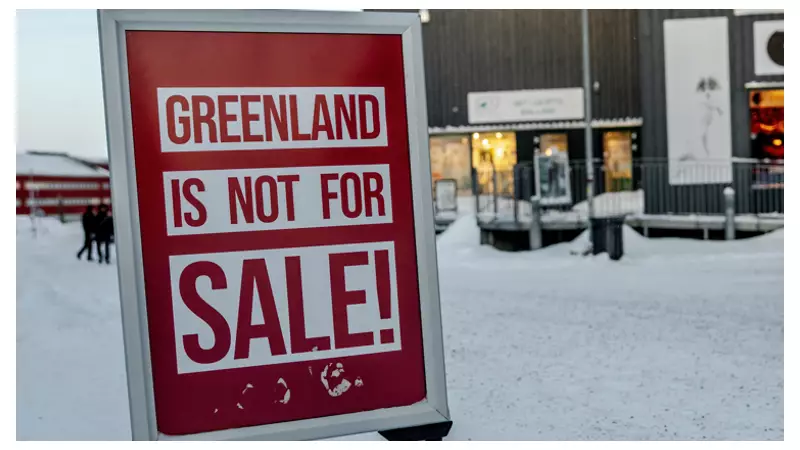
European nations have been united in their stance that Greenland is not for sale and cannot be taken from Denmark, with leaders across the continent expressing firm opposition to Trump's territorial ambitions.
UK Political Unity Against Trump's Greenland Ambitions
In London, Prime Minister Sir Keir Starmer has maintained a firm position, stating at PMQs that he would "not yield" on the matter of Greenland's future, which he emphasised is for Denmark and Greenlanders to determine. Sir Keir is set to host the Danish prime minister in Downing Street later today, underscoring the UK's alignment with European allies on this issue.
Remarkably, Trump's Greenland proposals managed to unite figures across the UK political spectrum, with Sir Keir Starmer, Kemi Badenoch, and Nigel Farage all expressing opposition to the US president's territorial ambitions.
Analysis: A Temporary Thaw in Transatlantic Tensions?
Trump's apparent climbdown on tariffs and his claims of a developing Greenland deal suggest a potential de-escalation of tensions that had threatened to strain NATO alliances. Some analysts speculate that NATO chief Mark Rutte may have played a crucial role in persuading Trump to reconsider his position during their Davos meeting.
Alternatively, Trump may have recognised the need for an "off-ramp" as he faced unexpected resistance from traditional allies who were prepared to stand firm against his Greenland ambitions despite having acceded to his demands for increased NATO contributions.
The situation remains fluid, with questions persisting about how long this apparent thaw in tensions might last given Trump's unpredictable approach to international diplomacy.
Broader Context and Trump's Davos Agenda
Trump remains in Davos today, where he is scheduled to attend a signing ceremony for his Board of Peace initiative, proposed last September as part of his plan to end the Gaza war. Later, he will meet with Ukrainian President Volodymyr Zelenskyy to discuss the ongoing conflict in Ukraine, against a backdrop of continuing drone and missile attacks on Kyiv.

The Greenland controversy has emerged as a significant test of transatlantic relations, highlighting both the fragility and resilience of alliances in the face of unconventional diplomatic approaches from the US administration.