Trump Announces 10-Day Lebanon Ceasefire Amid Escalating Conflict
President Donald Trump has announced a 10-day ceasefire in Lebanon, which took effect at midnight on Thursday, following a series of devastating Israeli airstrikes aimed at eliminating the Iranian-backed Hezbollah militia. The truce is set to be followed by a high-stakes meeting between Israeli and Lebanese leaders in Washington next week, marking the first such summit in decades.
Ceasefire Details and Political Implications
The ceasefire announcement came as Trump traveled aboard Air Force One en route to a public event in Las Vegas. From his Truth Social platform, the president urged Hezbollah to cooperate during this critical period, stating: "I hope Hezbollah acts nicely and well during this important period of time. It will be a GREAT moment for them if they do. No more killing. Must finally have PEACE!"
Trump provided limited details about the agreement beyond the start time and duration, but confirmed that Israeli Prime Minister Benjamin Netanyahu and Lebanese President Joseph Aoun would meet in Washington next Tuesday. The discussions are expected to address the ongoing Israeli occupation and broader regional tensions.

Human Cost of the Conflict
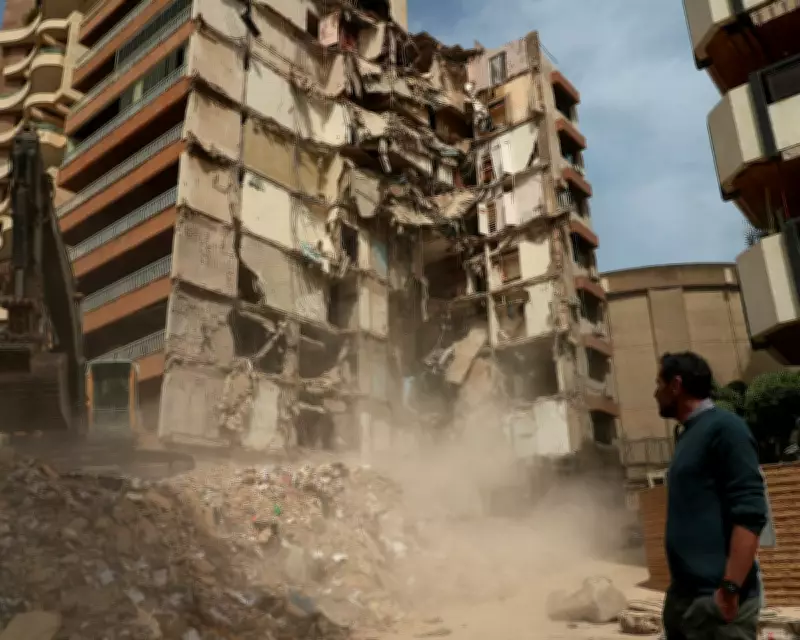
The announcement follows weeks of intense conflict that has claimed numerous civilian lives. Wael Sabbagh, whose mother Afaf Sidaoui and brother Hassan were killed in an Israeli strike on an apartment building in Beirut's Tallet El Khayat neighborhood, stands as a tragic symbol of the human toll. Photographs from April 15 show Sabbagh at the strike site, highlighting the devastating impact on Lebanese families.
Broader Regional Context
The Lebanon ceasefire is part of a larger diplomatic effort that the Trump administration hopes will lead to progress toward a parallel peace agreement between the United States and Iran. Defense Secretary Pete Hegseth emphasized the U.S. commitment to regional security, stating that Iran's energy infrastructure remains vulnerable and that American forces are "locked and loaded" to complete their mission if necessary.
Meanwhile, Pope Leo XIV entered the fray with pointed criticism of world leaders who invoke religion to justify violence, though he did not mention Trump by name. The pontiff's comments in Cameroon marked the latest development in an ongoing feud with the White House over the U.S.-Israel campaign against Iran.
Domestic Political Developments
On the domestic front, Trump nominated former deputy surgeon general Erica Schwartz to lead the Centers for Disease Control and Prevention, ending a months-long search for a permanent director. The appointment comes as Utah experiences a significant measles outbreak, highlighting ongoing public health challenges.
In Congress, Robert F. Kennedy Jr. faced heated questioning during a budget hearing where he was accused of promoting dangerous conspiracy theories about vaccines. Meanwhile, the House of Representatives approved bipartisan legislation to shield 350,000 Haitians from deportation for three years, representing a rare rebuke of Trump's immigration agenda.
Additional Developments
Other notable events from April 16 include:
- The Trump administration's push for foreign governments to support a "trade over aid" declaration at the United Nations
- Advancement of Trump's proposed triumphal arch design for Washington, D.C.
- A Justice Department investigation into former Congressman Eric Swalwell
- Allegations that Amazon pressured sellers to raise prices on competing platforms
- The tragic murder-suicide involving former Virginia Lieutenant Governor Justin Fairfax and his wife
The Lebanon ceasefire represents a significant diplomatic development in a region marked by longstanding tensions, though its long-term effectiveness remains to be seen as all parties prepare for next week's critical negotiations.