
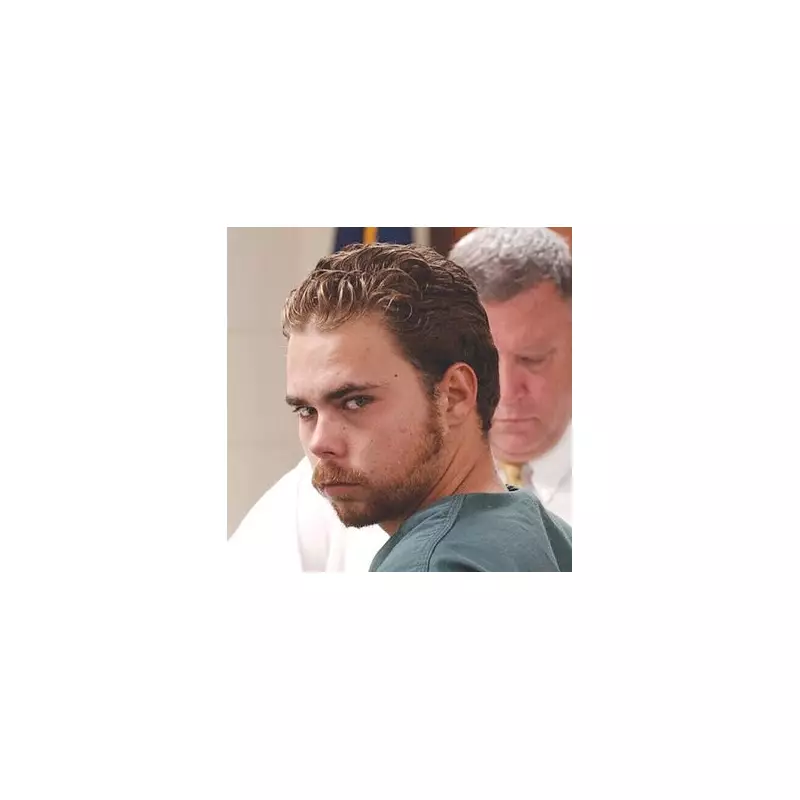
A convicted triple murderer who spent more than two decades awaiting execution has chosen one of America's most uncommon methods of capital punishment in South Carolina.
The Final Choice
Stephen Bryant, aged forty-four, rejected South Carolina's standard options of lethal injection or the electric chair on Friday, November 14. Instead, he selected death by firing squad, becoming only the third person to die by this method in the state this year.
The electric chair serves as South Carolina's default execution method when inmates decline to choose, but Bryant deliberately opted for the more dramatic alternative. Three prison employees stepped forward voluntarily to carry out the execution, each armed with live ammunition.
A Violent Crime Spree
Bryant had served 21 years on death row for murdering three men during a five-day period in 2004. His victims included Willard "TJ" Tietjen, a father who had simply asked for help when his car broke down near Bryant's home in Sumter County, South Carolina.
According to prosecutors, Bryant shot Tietjen multiple times after claiming to have car trouble. When Tietjen's phone rang shortly after the murder, Bryant answered it and informed both the victim's wife and daughter that he was the prowler and that he had killed their family member.
Police records indicate Bryant murdered two additional men before and after killing Tietjen. In both cases, he offered the victims rides before shooting them in the back when they stepped out to urinate by the roadside.
The Execution and Aftermath
During Friday night's execution at the prison, three family members of Bryant's victims served as witnesses, holding hands throughout the procedure. The convicted murderer declined to give any final statement before his death.
Bryant's execution marks the seventh person put to death by South Carolina in just 14 months. The state had previously observed a 13-year pause in executions when authorities couldn't obtain the necessary lethal injection drugs.
For his final meal, Bryant requested an elaborate feast including a spicy mixed seafood stir-fry, fried fish over rice, egg rolls, stuffed prawns, two sweets, and a slice of German chocolate cake.
Mitigating Circumstances
Bo King, a South Carolina attorney who works on death penalty cases, revealed that Bryant suffered from significant disadvantages throughout his life. According to King, Bryant had a genetic disorder, endured sexual and physical abuse by relatives, and was damaged by his mother's binge drinking, which "permanently damaged his body and brain."
"Mr Bryant's impairments left him unable to endure the tormenting memories of his childhood," King stated, adding that the convicted murderer "showed grace and courage in forgiving his family, and great love for those both inside and outside of prison."
During the manhunt for the triple murderer, law enforcement officers stopped nearly every driver on dirt roads in the area and warned local residents to exercise caution around strangers requesting assistance.
Capital punishment remains a legal penalty in 27 US states at the state level, in addition to the federal system and for certain military offences. Florida recently set a record for executions, having carried out its sixteenth in less than twelve months on Thursday evening.




