Tory MP Accuses Starmer of 'Blatant Lie' Over Energy Price Cap Claims
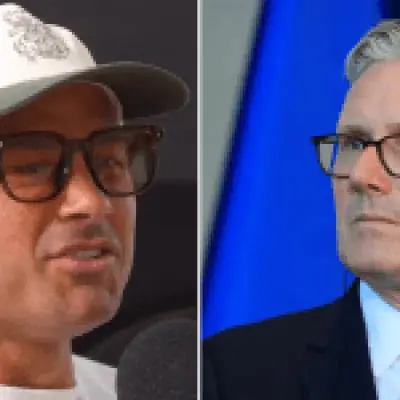
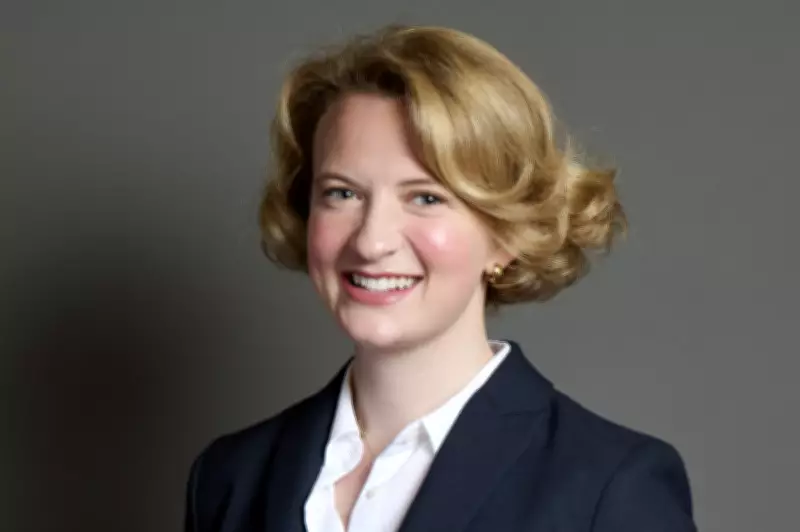
Conservative backbencher Katie Lam has launched a scathing attack on Prime Minister Keir Starmer, accusing him of misleading the public about energy bill reductions following recent Budget announcements. The fiery exchange centers on conflicting interpretations of the energy price cap set by regulator Ofcom.
Conflicting Energy Bill Narratives
In a video posted on social media platform X, Prime Minister Starmer celebrated what he described as a significant reduction in energy costs for households. "I know that energy bills are a real cause of concern," Starmer stated. "They've been too high for too long and I promised that we would bring energy bills down, and I meant it. Today, because of the decisions that this government made at the Budget, the price cap for energy bills has come down by £117."
Lam, who has previously commented on various policy areas including economic growth and immigration, responded with forceful criticism. "This is a blatant lie," she declared. "In July 2024, the energy cap was £1,568. It's now £1,641. Bills have gone up under this Prime Minister."

The Budget Policy Controversy
The Conservative MP elaborated on her accusation, explaining that the apparent reduction resulted from a budgetary maneuver rather than genuine cost savings. "The £117 he talks about has just been moved from your energy bill to your tax bill," Lam asserted. "And yet he claims he's saving us money. It's outrageous."
This refers to Chancellor Rachel Reeves' Budget policy that shifted energy subsidies from household bills to general taxation. While government forecasters at the Bank of England and the Office for Budget Responsibility have suggested this approach could reduce inflation by 0.5 percentage points, Conservative officials have dismissed it as a "sleight of hand" by Starmer's administration.
Broader Energy Policy Debate
The opposition party has raised additional concerns about energy pricing structures, noting that the current price cap includes increased network costs partially driven by funding transmission infrastructure for offshore wind farms. Conservative critics argue these costs stem directly from Labour's commitment to achieving clean power by 2030, a target championed by Energy Secretary Ed Miliband.
Shadow Energy Secretary Claire Coutinho emphasized the Conservative alternative approach: "Experts have said that energy bills may reach the highs of the energy crisis by 2030 because of all the fixed costs that Ed Miliband is putting onto the system. We need to make electricity cheap. The Conservatives are the only party with a cheap power plan that would cut electricity bills for households and businesses by 20 percent at no cost to the taxpayer."
Recent research from the Adam Smith Institute has added context to the debate, revealing that UK industrial electricity prices currently stand 82 percent higher than those in France. This international comparison underscores the broader challenges facing Britain's energy market as political parties offer competing visions for addressing affordability concerns while pursuing environmental objectives.