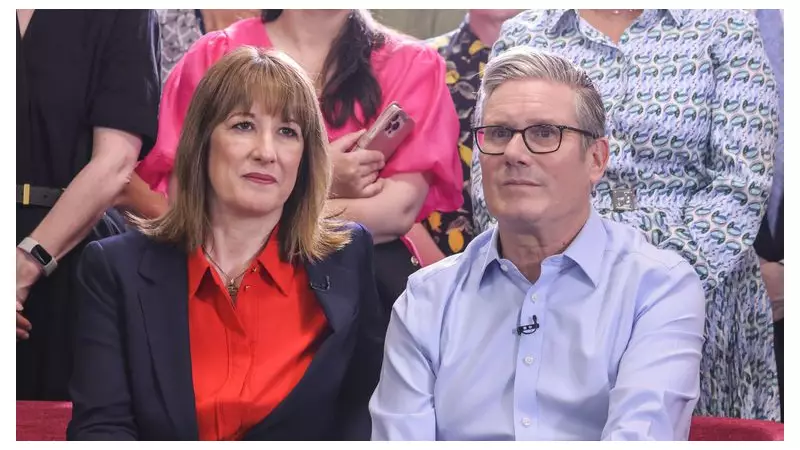
Senior Conservative figures have resurrected a decades-old political insult, accusing Prime Minister Sir Keir Starmer and Chancellor Rachel Reeves of being 'in office but not in power'.
The cutting phrase, originally coined by former Tory chancellor Norman Lamont in 1993, has returned to Westminster's political discourse as tensions escalate over economic policy and government direction.
The Modern Political Battle
Shadow chancellor Sir Mel Stride launched the attack following the release of recent economic data, declaring: 'A prime minister and chancellor who are in office but not in power.'
Conservative leader Kemi Badenoch echoed the sentiment amid Labour's internal disputes and allegations of plotting, stating: 'The PM has shown he is in office but not in power.'
The coordinated criticism suggests Tory strategists believe Lamont's famous words remain equally relevant today as when they were first uttered more than three decades ago.
Historical Origins of the Phrase
Norman Lamont delivered his blistering assessment during a blockbuster resignation speech in the Commons in 1993, shortly after being sacked by Prime Minister John Major.
The political fallout was particularly bitter given that Lamont had masterminded Major's leadership campaign less than three years earlier, securing his appointment as Chancellor in reward.
Lamont's tenure at the Treasury proved tumultuous, marked by the spectacular collapse of the pound on Black Wednesday in 1992 when Britain crashed out of the European Exchange Rate Mechanism.
The television images from that day on 16 September 1992 showed Lamont flanked by two then-little-known figures who would later rise to prominence: Gus O'Donnell, who became cabinet secretary, and a young special adviser named David Cameron.
Parallels With Modern Politics
Lamont's original critique of the Major government bears striking resemblance to current criticisms levelled against Sir Keir Starmer's administration.
In his historic speech, Lamont declared: 'The government listen too much to the pollsters and the party managers. The trouble is they are not even very good at politics and they are entering too much into policy decisions.'
He continued: 'As a result, there is too much short-termism, too much reacting to events and not enough shaping of events.'
Following his famous 'in office but not in power' line, Lamont added: 'Far too many decisions are made for 36 hours' publicity. I believe that in politics one should decide what is right and then decide the presentation, not the other way round.'
These criticisms - of poor decision-making, obsession with opinion polls, political incompetence, and headline-chasing - are precisely the accusations now being directed at Starmer's government by its opponents.
Could History Repeat Itself?
The historical precedent offers both warnings and reassurances for the current Labour administration.
John Major's government ultimately survived for another four years after Lamont's resignation speech, though it faced a leadership challenge in 1995 before suffering a devastating election defeat in Tony Blair's 1997 Labour landslide.
The pattern of a sacked chancellor, leadership challenge, and eventual election defeat presents a cautionary tale that modern politicians would be wise to heed.
As contemporary Conservatives deliberately echo Lamont's words, the question remains whether Sir Keir Starmer and Rachel Reeves can avoid the fate that ultimately befell their Conservative predecessors.
The revival of this potent political phrase suggests that, regardless of the century, certain challenges of governance remain constant across British political history.