
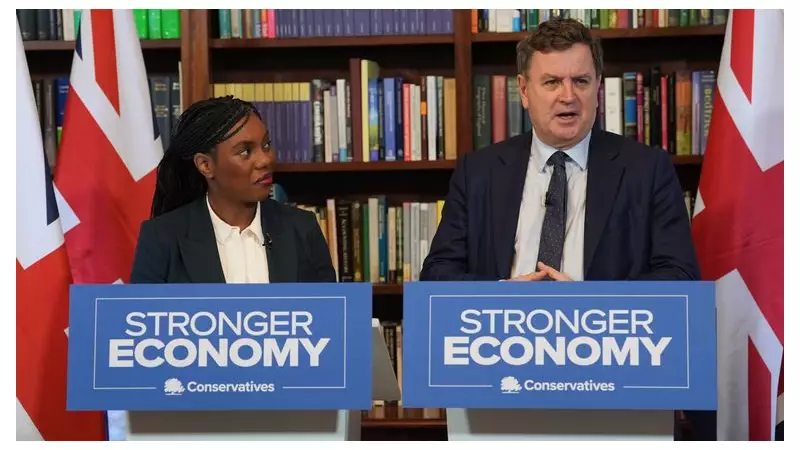
The Conservative Party has launched a fierce attack on the Labour government, accusing it of planning to breach its own election manifesto by considering an extension to the freeze on income tax thresholds.
Manifesto Promise Under Fire
Shadow Chancellor Mel Stride told a press conference in central London that extending what he called a "stealth tax" would directly contradict Labour's pre-election commitment not to increase taxes on working people. The current freeze, implemented by the previous Conservative government after the pandemic, is scheduled to end in 2028.
However, Sky News understands that Chancellor Rachel Reeves is expected to announce a two-year extension of the income tax threshold freeze beyond 2028. This controversial move is projected to raise approximately £8 billion by 2030 as the government seeks to fill an estimated £30 billion hole in public finances.
The Stealth Tax Mechanism
The freeze operates as a stealth tax because it doesn't involve increasing tax rates directly. Instead, by maintaining the same thresholds at which people start paying income tax and higher rates, inflation and wage growth effectively drag more people into higher tax brackets over time.
Mr Stride pointed to the significant financial impact on households, stating that Conservative calculations show the extension could cost some families up to £1,300 across the two-year freeze period. He warned that families could face paying £900 more in tax annually going forward.
Benefits Funding Debate Intensifies
Tory leader Kemi Badenoch joined the criticism, suggesting the potential tax threshold extension was being used to "fund more benefits and shut her backbenchers up." She specifically referenced speculation that Labour might scrap the two-child benefit cap, which restricts parents from claiming benefits for more than two children.
Ms Badenoch claimed that removing the cap could increase welfare spending by £3.5 billion and result in "more taxes to pay for more welfare spending." In a stark warning, she declared: "If this Labour government scraps the two-child benefit cap, I want people to know that a future Conservative government will bring it back."
The Conservative leader defended the cap as ensuring fairness, arguing that it means "people on benefits have to make the same decisions about having children as everybody else."
Meanwhile, Reform UK leader Nigel Farage entered the fiscal debate by claiming his party had identified £25 billion of annual savings through measures targeting foreign nationals, including limiting Universal Credit to British citizens only.
Labour Party chair Anna Turley hit back at both opposition parties, stating: "Reform and the Tories can argue all they like about who will return us to austerity faster - the fact is their plans don't add up and would be a disaster for Britain."




