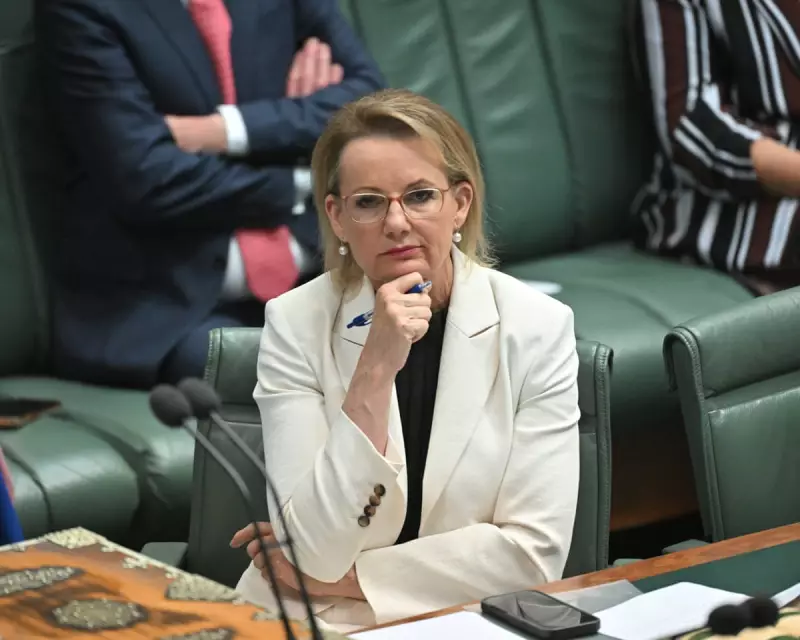
Sussan Ley's Leadership Milestone Overshadowed by Coalition Crisis
Sussan Ley has quietly passed a significant milestone in Australian political history, now having served longer as Liberal party leader than Alexander Downer did during his brief tenure. This achievement comes during one of the most turbulent periods for the Coalition in recent memory, with Ley's leadership facing unprecedented challenges from both within her own party and from Coalition partners.
A Record Overshadowed by Division
While locked in intense negotiations over Labor's hate speech legislation and managing party room tensions, Ley surpassed eight months and eight days as opposition leader this week. This duration, however modest, now exceeds Alexander Downer's record as the shortest-serving Liberal leader in the party's history. The milestone passed almost unnoticed amid the political storm engulfing Canberra.
Ley had been building momentum through her relentless criticism of Prime Minister Anthony Albanese's response to December's Bondi beach terror attack. Her persistent campaigning throughout the summer break, demanding a federal royal commission into the shootings, eventually forced Albanese to reverse his position earlier this month. This victory earned her newfound respect among colleagues who had previously questioned her leadership capabilities.

Coalition Fractures Threaten Leadership
The political landscape shifted dramatically this week when three Nationals senators crossed the floor in parliament, creating what senior Liberals describe as the beginning of the end for Australia's first female opposition leader. The subsequent decision by Nationals leader David Littleproud to declare the Coalition agreement untenable with Ley at the helm has created the most serious constitutional crisis within the conservative alliance in decades.
Ironically, Littleproud's explosive comments - delivered as Ley observed a national day of mourning for the Bondi beach victims - may have temporarily extended her leadership. Some Liberals argue that the Nationals should not be permitted to dictate Liberal party leadership decisions, despite their significant influence over Coalition policy since the last federal election.
Conservative Rivals Await Their Moment
Political observers suggest a leadership challenge becomes increasingly likely whenever conservative rivals Angus Taylor and Andrew Hastie can agree on a unified candidate. The party's right faction must first settle on their preferred contender, with moderates expected to support their choice. Taylor returns from overseas holidays this week, while Hastie has been defending his position on social media against critics who accuse him of betrayal for supporting legislation opposed by the Nationals.
Discussions about potential leadership alternatives have already begun circulating within party circles. Ley's deputy Ted O'Brien and Victorian MP Tim Wilson have been mentioned in early conversations about senior roles, while some colleagues are promoting New South Wales frontbencher Melissa McIntosh as a potential deputy should Hastie assume the leadership.
Mounting Discontent Across the Aisle
Even Liberal MPs not yet ready to call for Ley's removal express significant frustration about how negotiations surrounding the hate speech bill unfolded. The special parliamentary sittings that interrupted the summer break have left many parliamentarians angry, particularly with the Nationals for diverting attention from Labor's vulnerabilities at a crucial political moment.
The political challenges extend beyond the Liberal leadership, with David Littleproud potentially facing his own leadership test in coming months. Meanwhile, One Nation continues to erode the Coalition's traditional support base, with Pauline Hanson's party predicting further defections from Nationals ranks throughout the year.
An Uncertain Future
While Sussan Ley has technically outlasted Alexander Downer's brief leadership, her ability to surpass Brendan Nelson's nine-month tenure appears increasingly doubtful. With parliament not scheduled to resume until February 3rd, Liberals hope tensions might ease sufficiently for Ley to rebuild her frontbench and present a unified opposition when sessions begin.

The coming weeks will prove crucial for both Ley's leadership and the future of the Coalition itself. As political pressure mounts from multiple directions, the question remains whether Australia's first female opposition leader can navigate these treacherous waters or whether her record-breaking tenure will prove as short-lived as her predecessor's.