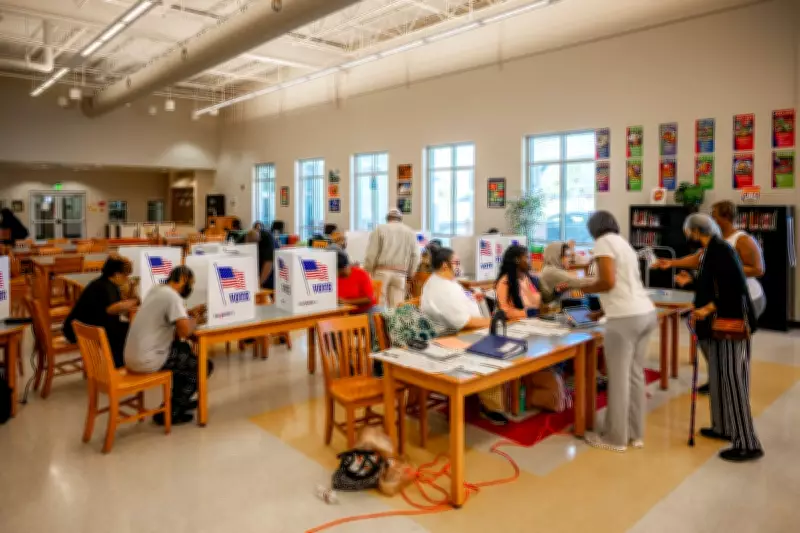
Supreme Court Upholds Mississippi Voting Rights Act in Landmark Ruling
The United States Supreme Court has delivered a significant ruling by upholding the Mississippi Voting Rights Act, a decision that reinforces critical protections against racial discrimination in the electoral process. This landmark judgment, announced on February 2, 2026, marks a pivotal moment in the ongoing national debate over voting rights and federal oversight.
Details of the Court's Decision
In a closely watched case, the Supreme Court affirmed the legality of the Mississippi Voting Rights Act, which was designed to prevent racial discrimination in voting practices within the state. The ruling underscores the court's commitment to safeguarding electoral integrity and ensuring equal access to the ballot box for all citizens, particularly minority communities that have historically faced barriers.
The decision comes after years of legal challenges and political contention surrounding voting rights legislation across the United States. By upholding this act, the Supreme Court has effectively strengthened federal authority to intervene in state-level electoral matters when there is evidence of discriminatory practices.

Implications for Voting Rights Nationwide
This ruling is expected to have far-reaching implications beyond Mississippi, setting a precedent that could influence similar cases in other states. It reaffirms the importance of the Voting Rights Act of 1965, a cornerstone of civil rights legislation, and highlights the judiciary's role in protecting democratic principles.
Legal experts suggest that the decision may encourage more robust enforcement of anti-discrimination measures in elections, potentially leading to increased federal scrutiny of state voting laws. This could impact future electoral reforms and litigation, particularly in regions with a history of racial disparities in voting access.
Reactions and Broader Context
The ruling has elicited mixed reactions from political groups, civil rights organisations, and policymakers. Advocates for voting rights have praised the decision as a victory for democracy and racial equality, while some critics argue it may overstep state autonomy in electoral affairs.
This case is part of a broader national conversation about voting rights, which has intensified in recent years due to debates over voter ID laws, redistricting, and other electoral policies. The Supreme Court's stance in this matter signals a continued judicial focus on balancing state powers with federal protections against discrimination.
As the United States approaches future election cycles, this ruling is likely to shape legal strategies and policy discussions, emphasising the enduring significance of voting rights in American society.