
Supreme Court Ruling Deepens Food Aid Crisis for Millions
The United States Supreme Court has delivered a blow to millions of Americans facing food poverty, permitting the Trump administration to maintain its freeze on crucial nutritional assistance. This administrative stay, issued on Tuesday, extends a temporary block that prevents the distribution of approximately $4 billion in funding for the Supplemental Nutrition Assistance Program (SNAP).
With 42 million people across the nation relying on this essential food aid programme, the court's decision introduces further uncertainty for vulnerable households. The funding pause, which was due to expire, has now been granted an additional two days and will remain effective until midnight on Thursday.
Political Standoff Leaves States in Chaos
The administration is holding firm on its position, insisting that full funding for SNAP will only be released once Congress reaches a compromise to end the historic government shutdown. This stance was clearly articulated by Solicitor General D John Sauer in the administration's filing, which stated, "The only way to end this crisis – which the executive is adamant to end – is for Congress to reopen the government."
This funding lapse marks an unprecedented event for America's largest anti-hunger initiative. The situation has created significant disruption for state governments, which administer the federally funded benefits. Several states had already issued November 2025 benefits believing they were authorised, only to be instructed by the Department of Agriculture on Sunday to "immediately undo" the provided aid.
Patrick Penn, the Deputy Undersecretary of Agriculture, explicitly informed state SNAP directors that issuing full payments for November 2025 was unauthorised. It remains unclear whether states will receive federal reimbursement for these already-distributed funds, a particular concern given the federal government's dwindling financial resources.
Mounting Pressure on Food Banks and Local Communities
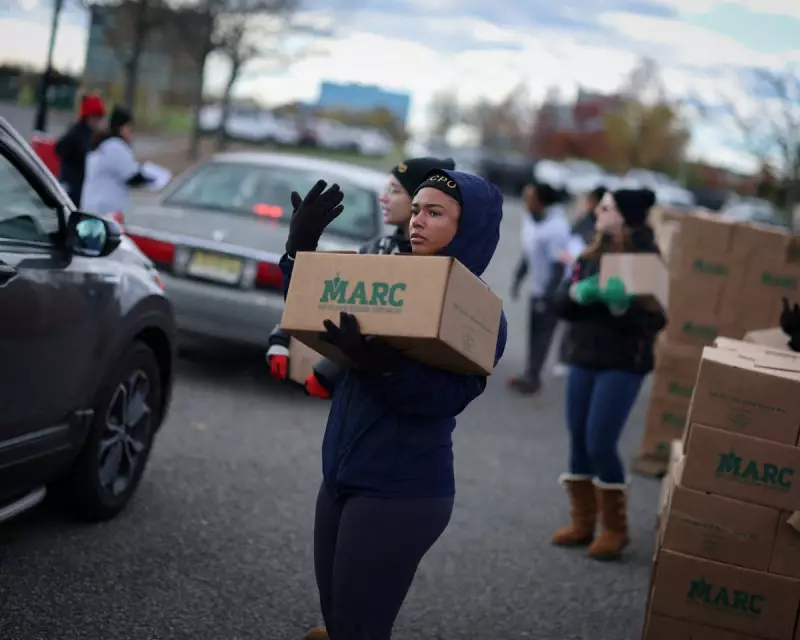
The consequences of this political impasse are being felt acutely at the local level. With beneficiaries receiving only half of their expected November allotment, food banks and community agencies are reporting immense strain as they attempt to fill the gap.
Stacy Smith, a government worker, shared the human impact with The Guardian, stating, "It's hard to look someone in the face who's telling you they can't feed their family, and be able to try to guide them to other avenues to try to get some food for their household." She further highlighted that "community food banks and food pantries are already maxed out."
The timing of this crisis could not be worse, with the Thanksgiving holidays rapidly approaching and schools closing. These factors are expected to cause a sharp rise in the demand for food assistance, placing even greater pressure on an already overstretched support network. The House of Representatives is scheduled to vote on a package that might conclude the lengthy government shutdown, offering a potential resolution to this escalating crisis.




