Supreme Court Intervenes in Texas Redistricting Battle
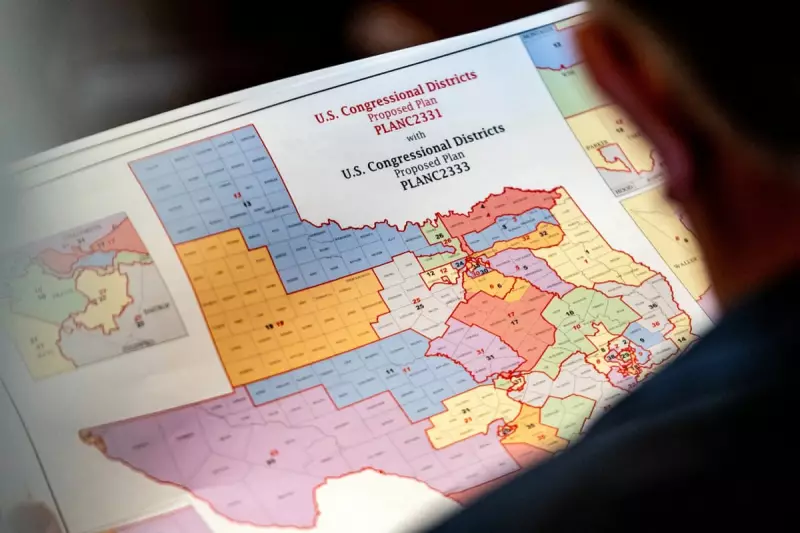
The US Supreme Court has stepped into the contentious battle over Texas's congressional boundaries, temporarily blocking a lower court ruling that found the state's 2026 redistricting plan likely discriminated on the basis of race. The emergency order, issued on Friday, preserves a map that could give Republicans five additional House seats while the nation's highest court considers whether to allow its use in upcoming elections.
Alito's Temporary Stay Preserves Republican Gains
Justice Samuel Alito signed the order that will maintain the status quo for at least several days while the court deliberates. The decision came approximately one hour after Texas officials urgently requested Supreme Court intervention, arguing that confusion would ensue as congressional primary elections approach in March.
The court's conservative majority has repeatedly blocked similar lower court rulings in recent years, typically citing proximity to election dates as justification. This pattern has previously emerged in redistricting cases from Alabama and Louisiana, where the justices intervened several months before elections were scheduled.
Texas redrew its congressional map during the summer as part of former President Donald Trump's efforts to maintain a slim Republican majority in the House of Representatives. The new boundaries triggered nationwide redistricting battles, with Missouri and North Carolina subsequently introducing maps that would each add another Republican seat.
Legal Challenges and National Implications
A panel of federal judges in El Paso had ruled 2-1 on Tuesday that civil rights groups representing Black and Hispanic voters were likely to succeed in their challenge against the Texas map. Had that ruling stood, Texas might have been compelled to use the map drawn by the GOP-controlled legislature in 2021, which was based on the 2020 census.
Texas became the first state to comply with Trump's redistricting demands, igniting what has developed into an expanding national confrontation over political boundaries. In response to Republican manoeuvres, California voters approved a ballot initiative designed to give Democrats five additional seats in that state.
The redrawn maps now face legal challenges in multiple states including California, Missouri, and North Carolina. Meanwhile, the Supreme Court is separately considering a case from Louisiana that could further restrict race-based districts under Section 2 of the Voting Rights Act. The outcome of the Louisiana case remains unclear, leaving questions about how it might affect the current round of redistricting battles across the United States.