Suella Braverman's Defection to Reform UK: A Calculated Political Move
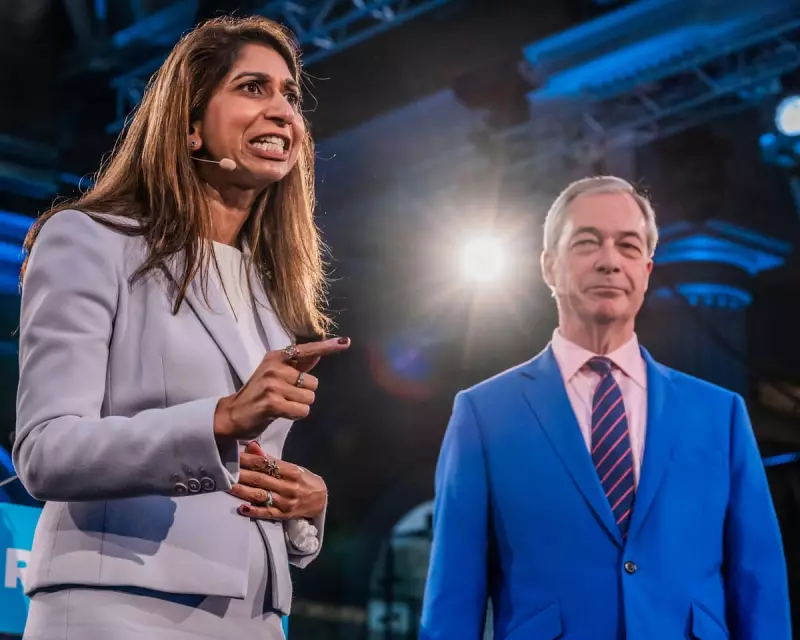
In a dramatic political shift, Suella Braverman has abandoned the Conservative Party to join Reform UK, framing her decision as an act of ultimate sacrifice and loyalty to her country. This move, announced at an event in east London, has sent shockwaves through Westminster, highlighting the deepening fractures within the right-wing political spectrum.
The Long-Awaited Defection
Many observers were hardly surprised by Braverman's defection, as it had been widely anticipated for months. Reform UK insiders had previously dismissed the idea of welcoming her due to her controversial baggage and perceived lack of control. However, Nigel Farage, the leader of Reform UK, ultimately embraced her, leveraging the moment to hijack a rally intended for military veterans. This strategic manoeuvre underscores the party's aggressive expansion tactics ahead of the upcoming elections.
Braverman, who was forced to resign as home secretary under Liz Truss for breaching the ministerial code and later fired by Rishi Sunak, declared, "I feel like I've come home." Her arrival marks a significant consolidation of former Truss cabinet members within Reform UK, now outnumbering those in Kemi Badenoch's shadow team. This realignment signals a potential exodus of disaffected Tory MPs, with Badenoch herself speculated as a future defector if not already leading the Conservatives.

A Speech of Self-Sacrifice and Irony
During her address, Braverman drew parallels between her own experiences and those of military veterans, claiming she had "put her own life on the line out of love for her country." Without a hint of irony, she recounted spending a night in Norway, suggesting it equated to frontline service. Notably, she omitted her previous controversial remarks labelling rough sleeping as a "lifestyle choice," a stance that might have resonated awkwardly given the event's focus on veteran homelessness.
She then pivoted to immigration, invoking her parents' backgrounds as refugees from Kenya and Mauritius to argue against current policies. Braverman asserted that Britain is "broken" and overrun by immigrants, painting a dire picture of a nation in crisis. This rhetoric aligns with Reform UK's hardline stance, yet her sudden emphasis on loyalty raised eyebrows, given her history of criticising Tory colleagues.
Political Fallout and Future Implications
Braverman's resignation of the Tory whip is portrayed as a selfless act, but it conspicuously avoids triggering a byelection in her Fareham and Waterlooville constituency, prioritising personal ambition over democratic accountability. She launched a scathing attack on the Conservatives, blaming them for failures while absolving herself of responsibility, despite serving as attorney general and home secretary during periods of record immigration.
Nigel Farage concluded the event by overshadowing the veterans' rally, reinforcing his dominance within Reform UK. However, this defection raises questions about the party's direction, as it increasingly mirrors the "very worst of the Tories." With Braverman's unpredictable track record, Farage may need to exercise caution, as her presence could both bolster and destabilise the party's campaign efforts.
This defection not only reshapes the political battlefield but also underscores the ongoing realignment in British politics, as disillusioned figures seek new platforms to advance their agendas.