
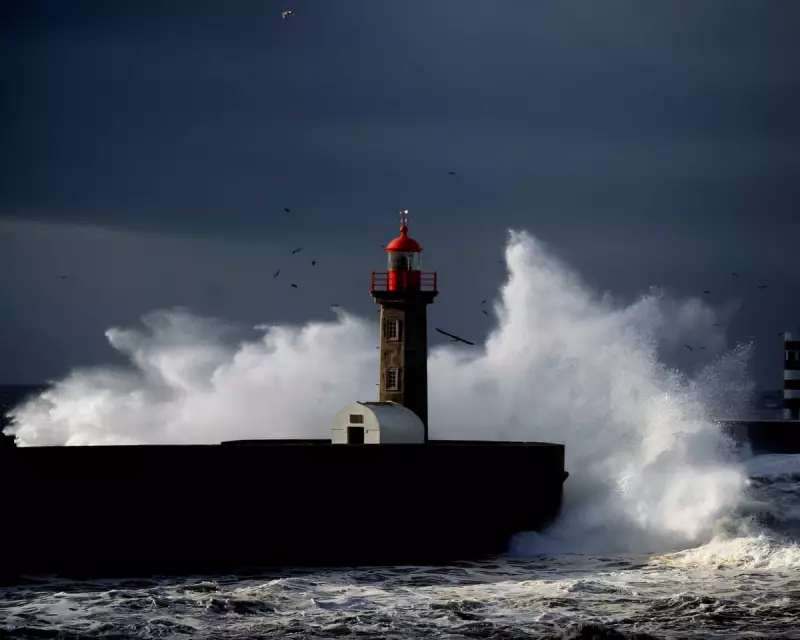
The Fascinating World of Storm Naming
Have you ever wondered how storms like Claudia get their names while your personal suggestions get rejected? The process behind naming weather systems reveals much about how we understand and prepare for severe conditions across Britain.
From Michael Fish to Modern Systems
The UK's most memorable storm occurred in 1987, nearly three decades before official naming began. Forever known as 'the one that Michael Fish said definitely wouldn't happen', this devastating weather event divided experiences based on location and circumstance. While some faced destroyed trees and damaged roofs, others enjoyed unexpected days off from school.
A significant change occurred ten years ago when the Met Office began formally naming storms, starting with Abigail. This system aims to raise public awareness and ultimately save lives by making severe weather more relatable and memorable.
How Storm Naming Really Works
Britain shares its storm naming system with Ireland and the Netherlands, while other European countries maintain their own lists. The process follows alphabetical order, though letters Q, U, X, Y, and Z are excluded because the World Meteorological Organization considers them too challenging for finding suitable names.
Recent storms like Dudley and Eunice demonstrate this alphabetical pattern in action. Anyone can suggest names for consideration, though success isn't guaranteed. The author reveals having submitted approximately one hundred suggestions without success, including multiple attempts using children's names.
Interestingly, while names like Wubbo secured spots on the 2025-26 rotation and Dave will appear as a future winter storm, more personal choices like Harper haven't made the cut.
The Real Impact of Named Storms
The recent Storm Claudia, named by the Spanish meteorological agency rather than after Claudia Winkleman as some speculated, demonstrated how unevenly weather impacts different regions. While the Algarve saw tragic fatalities and South Wales experienced catastrophic flooding, those outside the storm's path merely noted its name before continuing their day.
This uneven distribution creates what radical geographer Danny Dorling compares to wartime experiences - the same event creates vastly different realities for those directly affected versus observers. When your car is underwater, you're probably not concerned about the storm's name, though you might prefer it carried a swearword instead.
The fundamental purpose remains clear: giving storms human names makes them more memorable, helping spread crucial warnings and potentially saving lives when severe weather strikes.




