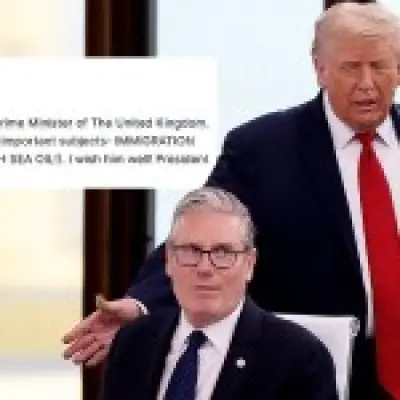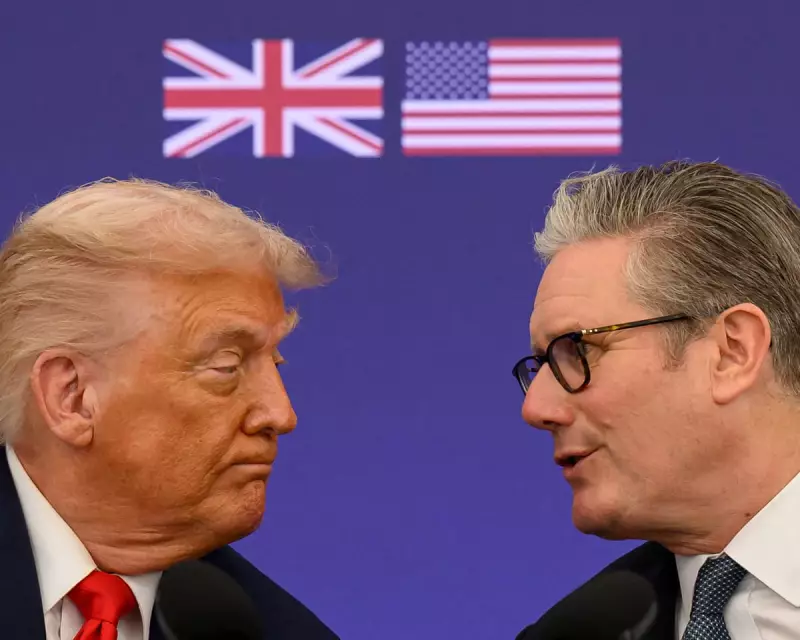
Prime Minister Keir Starmer's public expression of "exasperation" with Donald Trump marks what analysts describe as a significant turning point in the traditionally close UK-US relationship. The diplomatic rupture follows the US president's controversial remarks about British military contributions in Afghanistan, which Starmer labelled "insulting and frankly appalling."
A Diplomatic Line in the Sand
For the past year, Starmer's approach to the Trump administration has been characterised by what Downing Street termed "serious, calm, pragmatic, behind-the-scenes diplomacy." This careful strategy of navigating the president's volatility has now given way to a more confrontational stance after what Whitehall sources describe as two particularly provocative interventions from Washington.
The prime minister's demand for an apology represents the most serious diplomatic clash between London and Washington since Trump took office. This public rebuke comes after months of what many Labour MPs considered overly deferential treatment of the unpredictable American leader.

Domestic and International Calculations
Starmer's stronger stance carries both domestic political advantages and international risks. Within his own party, many Labour MPs have expressed relief at the prime minister's firmer approach, having grown increasingly uncomfortable with what they perceived as sycophancy toward a US president who remains deeply unpopular with the British public according to recent polling.
The timing coincides with leadership challenges from within Labour's soft left, with Andy Burnham considering a parliamentary return. Standing up to Trump strengthens Starmer's position with both party members and the wider electorate who have shown growing unease about the special relationship under the current US administration.
Internationally, however, the gamble is substantial. World leaders, businesses and politicians globally have become accustomed to treading carefully around Trump's sensitivities, fearing unpredictable reactions to criticism. Starmer's new approach breaks from this pattern of cautious diplomacy.
European Realignment Possibilities
The growing distance from Washington opens what political analysts describe as a politically perilous but potentially appealing option for the UK government: moving closer to European partners. This strategic shift coincides with speeches from international figures including Canada's Mark Carney and France's Emmanuel Macron, who have argued in Davos this week that middle-ranking nations need to strengthen cooperation in an increasingly unpredictable global landscape.
Within Labour circles, voices are already urging the prime minister to respond to American unpredictability by strengthening ties with the European Union. This could involve:
- New discussions about defence cooperation
- Enhanced economic security partnerships
- Closer diplomatic coordination on global challenges
The changing dynamic also creates potential political dividing lines with Reform UK, whose leader Nigel Farage has repeatedly defended Trump despite acknowledging the president was "wrong" about British troops in Afghanistan. Farage raised eyebrows earlier in the week with comments suggesting Greenland would be safer under American control, highlighting the growing divergence between political approaches to transatlantic relations.
A New Foreign Policy Direction
While Reform maintains a lead in opinion polls, Starmer's Labour now has an opportunity to articulate a vision of international relations that prioritises European partnerships over what many perceive as the increasingly problematic alliance with Trump's America. Political observers suggest the British public may be more receptive to arguments for European re-engagement than at any point since the Brexit referendum.

The prime minister's diplomatic recalibration represents more than just a response to presidential provocation. It signals a potential strategic shift in how Britain positions itself globally, balancing historical alliances with contemporary political realities and public sentiment. As transatlantic tensions continue to evolve, Starmer's approach to managing the UK-US relationship will likely define his foreign policy legacy and influence Britain's international standing for years to come.