Starmer's Premiership Under Scrutiny After Mandelson Vetting Statement
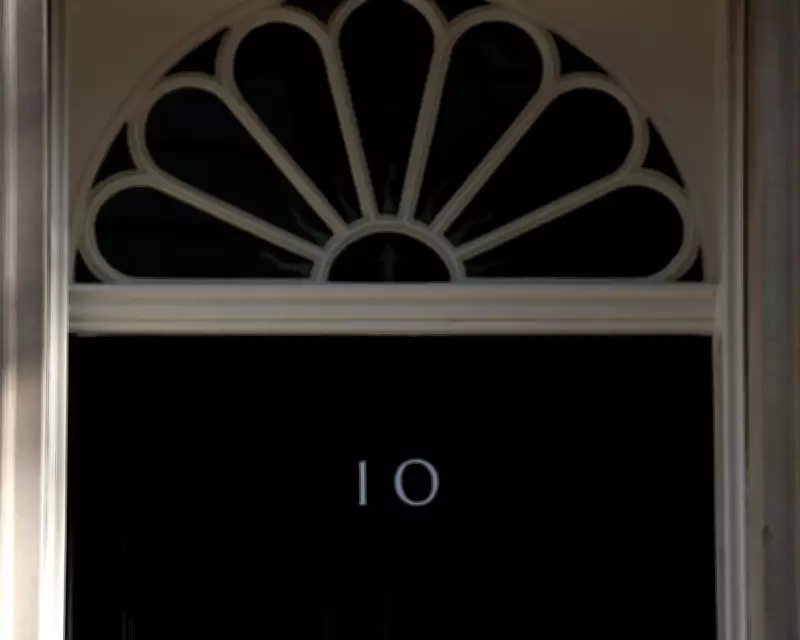
Keir Starmer's premiership is facing significant uncertainty following his statement to MPs regarding the vetting failure of Peter Mandelson, whom he appointed as US ambassador. Despite his detailed explanation and calls for political stability, the prime minister remains deeply unpopular within his own party, and the situation is exacerbated by the pending testimony of former Foreign Office chief Olly Robbins.
Labour MPs Express Frustration Over Starmer's Leadership
Labour MPs, frustrated by a perceived lack of clear direction from Starmer's administration, have long urged the prime minister to adopt a more forceful approach in defining his values and opponents. In a dramatic turn, Starmer has identified Olly Robbins as a key adversary, prosecuting his case with the vigor of his former legal career. He presented timelines, letters, and announced a new inquiry, insisting that had he known about Mandelson's failed vetting, the appointment would never have occurred.
However, Starmer stopped short of admitting he misled the House of Commons, a move that contrasts sharply with his previous criticisms of Boris Johnson over the partygate scandal. One senior MP described Starmer as suffering from "good guy" syndrome, making it difficult for him to acknowledge his own mistakes. The prime minister has instead shifted blame to the vetting system, officials, advisers, and Mandelson's lack of candor.

Internal Party Backlash and Strategic Missteps
On Monday, many MPs arrived at Westminster with a sense of weariness rather than rebellion, but a poorly handled briefing nearly reignited tensions. The emailed guidance included pre-written questions referencing victims of Jeffrey Epstein, intended to redirect focus onto Mandelson's conduct rather than Starmer's judgment. This tactic outraged the parliamentary Labour party, with one MP calling it "outrageous bollocks" and another labeling it "despicable."
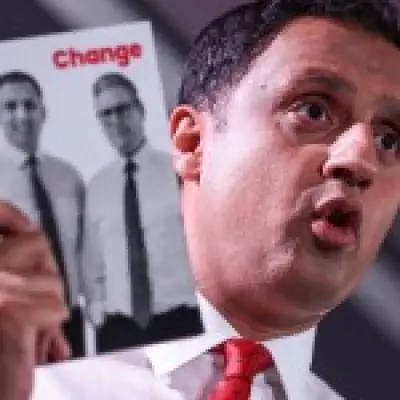
While the raw anger seen during the humble address motion—which led to the resignation of Starmer's chief of staff, Morgan McSweeney, and calls for Starmer to step down from Scottish Labour leader Anas Sarwar—has subsided, criticism persists. Key detractors like Rachael Maskell, Diane Abbott, Karl Turner, and John McDonnell voiced their concerns, though many MPs were absent due to local election campaigning.
Assessing the Risk to Starmer's Leadership
MPs highlight two conflicting realities: first, it is not an opportune moment to replace the prime minister, given Starmer's stance on avoiding US military action against Iran and the potential for economic instability. There is no clear challenger capable of commanding a majority within the PLP. Second, the underlying issues remain unchanged—Starmer's unpopularity, lackluster governance vision, and the party's poor polling performance create an unsustainable position.
One party figure noted that the likelihood of a post-May leadership challenge has increased from 4/10 to 7/10. Another MP remarked, "I think people buy the explanation of what happened. But it's the broader picture that is the problem."
The Crucial Testimony of Olly Robbins
A major caveat in this analysis is the upcoming testimony of Olly Robbins before the foreign affairs select committee. While there is no indication of a "smoking gun," history shows that former permanent secretaries have played pivotal roles in ousting prime ministers, such as Simon McDonald's role in Boris Johnson's downfall. If Robbins provides evidence that contradicts Starmer's Monday statements, it could prove fatal to his premiership.
As the political drama unfolds, Starmer's ability to navigate this crisis will be critical, with his leadership hanging in the balance amid ongoing internal dissent and external scrutiny.