Starmer's Mandelson Appointment Proves Fatal Political Miscalculation
There exists in politics a particular category of error from which there can be no recovery. The dismissal of Peter Mandelson last autumn, while a necessary step, represented an action both belated and insufficient. For Prime Minister Keir Starmer, this episode offers no path to redemption. The decision has become an anchor dragging down his premiership.
The Tipping Point Arrives for Mr Rules
A palpable sense of finality now permeates Westminster corridors. While whispers of Labour MPs seeking Starmer's removal have circulated before, the current atmosphere suggests a fundamental threshold has been crossed. The collective patience has evaporated; there will be no further opportunities for reprieve, no hopeful anticipation of electoral miracles in the approaching May contests. This represents a quantum leap into unified political despair.
The irony is inescapable. Starmer built his political identity upon being Mr Rules—the dependable, if uncharismatic, operator who could be trusted to follow procedure meticulously. This very reputation secured his leadership. Yet his undoing stems from spectacularly abandoning those principles by appointing the archetypal Mr No Rules, Peter Mandelson, to the prestigious role of US Ambassador. The move was seen by many, including cabinet colleagues and even Conservative MPs, as a cunning piece of political cynicism: a morally compromised diplomat for a controversial president. A perfect, if tarnished, pairing.

An Unforgivable Error with No Recourse
What has been done cannot be undone. Mandelson's sacking was a reactive necessity, but it arrived far too late to salvage the situation. The choice was binary, with no middle ground for atonement. No amount of apology or policy promises regarding the cost of living could rectify the foundational misjudgment. Starmer has been measured by his own party's standards and found profoundly lacking.
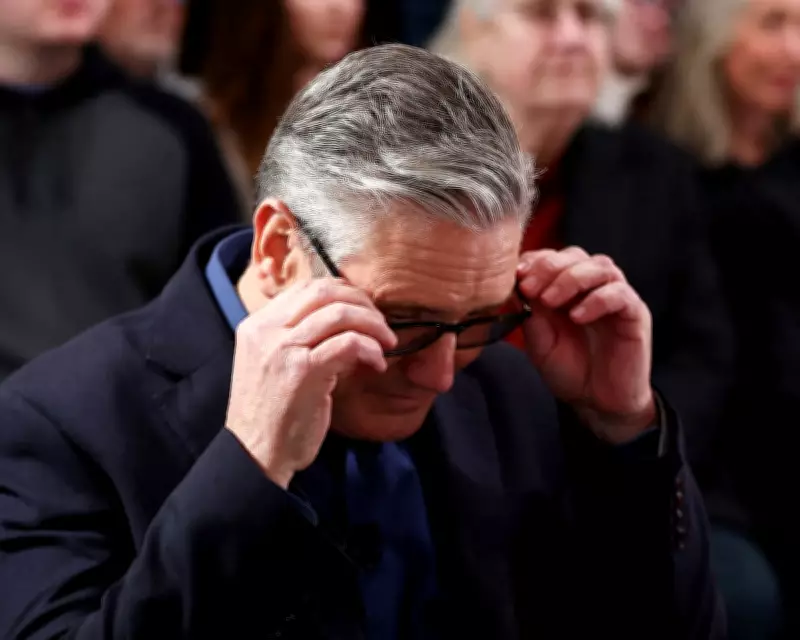
This despair was visible in Starmer's eyes as he approached the podium at Horntye Park sports club in Hastings. His mission was another attempted relaunch, this time centred on community values, but he understood the effort was doomed. His words on the Pride in Place initiative would be instantly forgotten, drowned out by the singular focus on the Mandelson scandal. The sympathetic applause from Labour supporters in the room carried the mournful tone of a football crowd honouring a departed former player.
Contradictions and Revisionist History
Starmer attempted to confront the issue directly, framing his own late entry into politics as driven by public service and a desire to improve the nation—a noble sentiment. He contrasted this with politicians like Mandelson, whom he portrayed as self-serving. Yet this argument immediately collapsed under its own weight, creating a form of political entropy. If Mandelson's character was so widely understood, the inevitable question screamed for an answer: why was he ever given the job?
The Prime Minister then offered a revised narrative of the appointment process. He claimed that during vetting, Mandelson had "lied through his teeth" about the extent of his relationship with the convicted sex offender Jeffrey Epstein, and that upon learning the truth, dismissal was immediate. This version of events strains all credibility. It was public knowledge long before the appointment that Mandelson had maintained contact with Epstein and had stayed at his residence post-conviction—a glaring red flag that should have terminated the process instantly. The suggestion that security services accepted Mandelson's denials defies belief.
A Flawed Apology and Hollow Values
Starmer's apology to Epstein's victims, while better than silence, contained a critical flaw. He expressed regret for letting them down, while simultaneously implying he too had been misled. This misses the fundamental point: his failure was one of moral choice, not merely being poorly informed. The decision to appoint Mandelson, despite the established warnings, was the core error. It reflected an Establishment tendency to accommodate its own, exemplified by parallel efforts to secure Mandelson the Chancellorship of Oxford University.

The remainder of Starmer's speech read as a plea for forgiveness and relevance, but rang hollow. Invocations of "values that bind us together" and "rules that protect those in need" prompted the obvious retort: where were these principles when they might have protected Epstein's victims? The government's actions appeared primarily designed to serve its own interests until the scandal became uncontainable.
Unanswerable Questions and a Bleak Future
The subsequent media interrogation focused relentlessly on Mandelson. The BBC highlighted Mandelson's two prior cabinet resignations as clear indicators of unsuitability—a point Starmer could not convincingly counter. Sky News noted the anger in Starmer's voice, anger that seemed misdirected away from his own culpability. He possessed sufficient information; the public possessed it. Different choices were available.
When confronted with quotes from rebellious Labour backbenchers questioning his future, a visible vulnerability surfaced. The Prime Minister appears to sense, as many do, that the endgame may have commenced. Herein lies his political tragedy: a fundamentally decent man undone by a catastrophic lapse in judgment, exacerbated by association with a figure notorious for dragging others into his downfall. The rules he championed have ultimately judged him, and the verdict appears damning.