Starmer's Reported Block on Burnham Threatens Labour's Cohesion
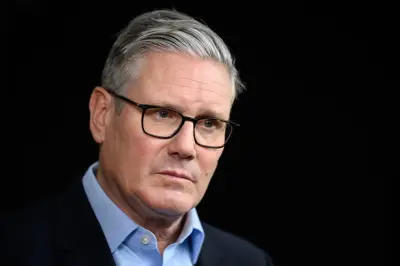
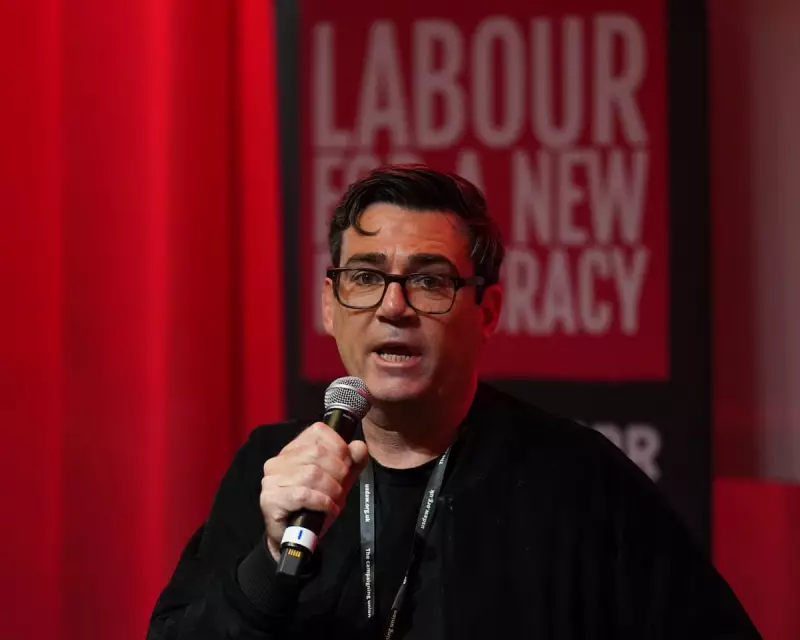
In a move that echoes the political wisdom of Lyndon B. Johnson, the current Labour leadership under Sir Keir Starmer appears poised to make a critical misstep. Johnson famously remarked that it is better to have potential rivals inside the tent pissing out rather than outside the tent pissing in, emphasising that strong leaders manage conflict within their parties rather than banish it. Reports indicate that Sir Keir's allies are preparing to block Andy Burnham, the popular Mayor of Manchester, from running in a parliamentary by-election following the resignation of Labour MP Andrew Gwynne. This decision risks fracturing Labour's coalition and projecting an image of fear rather than authority from Downing Street.
The Mechanics of the Blockade
Labour's national executive committee, which is dominated by supporters of Sir Keir, holds the discretionary power to grant permission for directly elected mayors like Mr Burnham to seek selection as MPs. This discretion is now being framed as a formidable obstacle course. Alleged barriers include concerns over cost, the potential need for a mayoral by-election if Mr Burnham were to step down, and gender balance rules within the party. While there is a valid risk that Labour could lose the Manchester mayoralty if Mr Burnham departs, this very concern underscores that the decision to block him seems pre-determined, with justifications being assembled retrospectively.
A Misreading of the Political Climate
The defence for such manoeuvring likely centres on party discipline and stability, arguing that now is not the time for internal discord. However, this represents a profound misreading of the current political mood. Labour's primary challenge is not an excess of debate but a growing inability to convince voters that it possesses progressive solutions adequate for the nation's crises. These include stuttering economic growth, stagnant real wages, the rise of far-right movements, and a pervasive sense that the political system itself is failing to deliver meaningful change.

By sidelining one of the few Labour figures with a reputation for effective governance and economic seriousness, Downing Street risks appearing petty and insecure. Excluding Mr Burnham could leave him with little to lose, potentially prompting him to leave Labour and stand as an independent parliamentary candidate while retaining his mayoral role. Such a move would weaponise his personal popularity, which Labour itself relies upon in Greater Manchester, and ensure that any electoral defeat for Labour would be interpreted not as a local setback but as a direct consequence of a leadership intolerant of internal dissent.
Electoral Repercussions and Internal Warnings
Labour is already experiencing voter erosion, with socially conservative votes drifting to Reform UK and left-liberal support shifting to the Greens. Ousting a politician like Mr Burnham, who has the potential to bridge these divides, reinforces the growing perception among voters and members that pluralism of thought is no longer welcome within the party. Notably, polling by More in Common reveals that Mr Burnham is the only senior Labour figure whose favourability increases with recognition, outperforming Sir Keir among voters that Labour has lost since 2024. Blocking him would constitute a significant electoral gamble, with the leadership bearing full responsibility for the outcome.
Labour MPs and union leaders have already issued warnings against a stitch-up designed to prevent Mr Burnham's selection. This situation does not necessitate the leadership endorsing a rival or inviting a contest; it simply demands sound judgment. The critical question remains: Is Sir Keir so insecure that he cannot recognise that power is best managed from within the tent, rather than driven out in the futile hope that it will simply disappear? One would certainly hope not, for the sake of Labour's unity and future electoral prospects.