
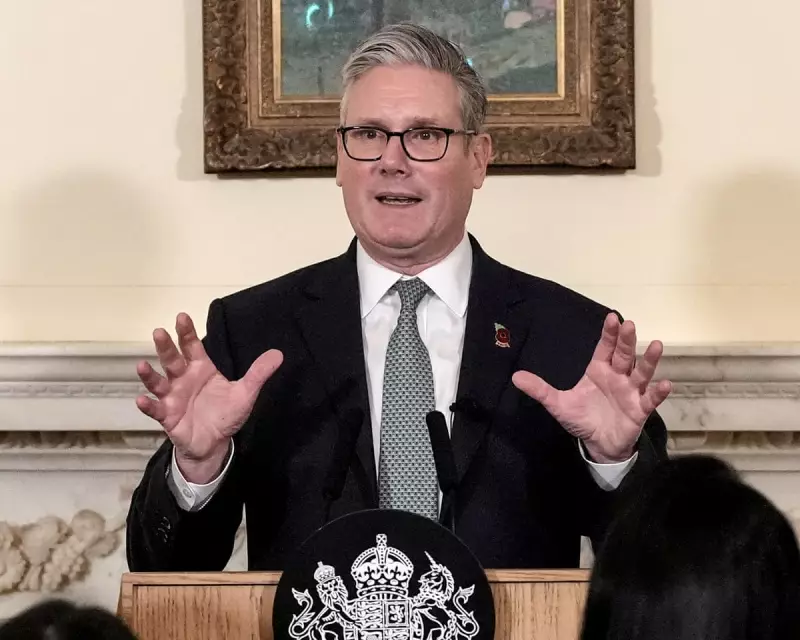
Prime Minister Keir Starmer has publicly denied that negative briefings against government ministers originated from Downing Street, following days of political turmoil within the Labour administration.
Downing Street Denies Involvement
Speaking during a visit to a school in north London on Thursday, Starmer directly addressed the growing controversy surrounding what some media outlets have dubbed "black ops" briefings against ministers. The Prime Minister firmly stated that neither he nor his team were responsible for the critical comments that have appeared in recent press reports.
"Let me be absolutely clear about this," Starmer told reporters. "Those briefings did not come from me, they did not come from Number 10." His comments came as the government faces increasing pressure to address what appears to be coordinated efforts to undermine certain ministers through anonymous media briefings.
Investigation Launched Amid Tory Criticism
The situation has prompted an internal investigation, with sources confirming that government officials are actively trying to identify the source of the damaging leaks. The controversy emerged following reports that questioned the performance of several key ministers, including those responsible for major policy areas.
Conservative MPs have seized upon the internal Labour disputes, with former minister James Cartlidge accusing the government of being "at war with itself" during a heated Prime Minister's Questions session. Opposition leader Rachel Reeves faced similar accusations from Tory MPs who claimed the government was engaging in "black ops" against its own members.
One government source acknowledged the seriousness of the situation, telling journalists: "We are taking this matter extremely seriously and are determined to identify where these comments are coming from."
Broader Political Context
The briefing controversy comes at a challenging time for the Starmer government, which has been in power for less than five months following their July 2024 election victory. Some political analysts suggest the internal tensions reflect broader disagreements about the government's direction and policy priorities.
During his school visit, Starmer also addressed questions about the government's legislative agenda, particularly concerning plans to increase school attendance and implement new education policies. The Prime Minister emphasised that his focus remains on delivering the government's manifesto commitments despite the internal distractions.
As the investigation continues, political observers will be watching closely to see whether the government can quickly resolve these internal disputes or whether they signal deeper divisions within the Labour Party that could hamper their ability to govern effectively.




