Starmer Confronted Over Mandelson Vetting Timeline in Heated Commons Session
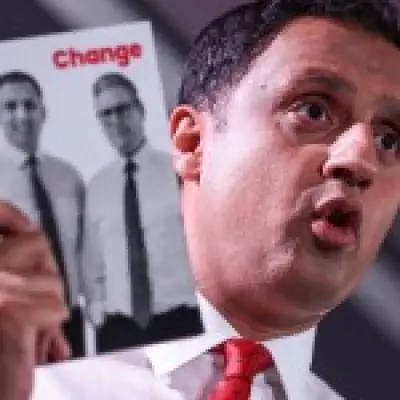
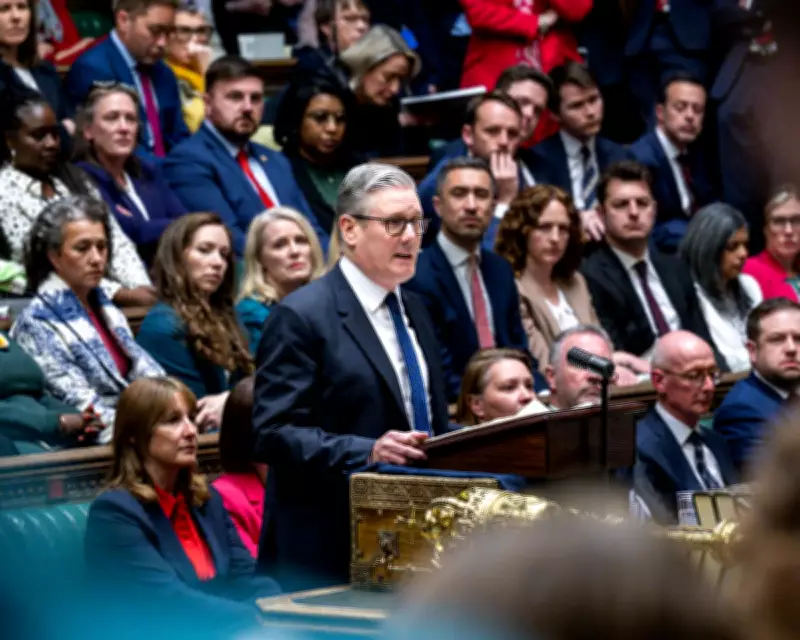
Prime Minister Keir Starmer delivered a statement to the House of Commons on April 20, addressing the controversial vetting procedure for Peter Mandelson's appointment as US ambassador. The session revealed a troubling sequence where political decisions outpaced security protocols.
Vetting Process Overtaken by Political Momentum
Sir Olly Robbins, the former Foreign Office chief, provided explosive testimony to MPs, describing how Downing Street created a "very, very strong expectation" for Mandelson's rapid appointment to Washington. This political pressure meant UK Security Vetting (UKSV) was left scrambling to catch up after the fact. Robbins admitted clearing Mandelson despite UKSV "leaning against" approval, highlighting how vetting transformed from gatekeeping exercise to damage control.
The prime minister's timeline proves particularly damaging. By December 2024, Starmer had seen Cabinet Office due diligence reports and was aware of Mandelson's relationship with convicted financier Jeffrey Epstein. Yet he proceeded with the appointment, securing royal approval and US agreement before formal vetting had even commenced.

Conflicting Interpretations of Security Concerns
Starmer's defense that he should have been informed about clearance recommendations was dismantled by Diane Abbott's pointed question: "Why didn't you ask?" The prime minister maintains that a formal denial recommendation would have changed his decision, but this rings hollow given the appointment's advanced stage.
Robbins revealed the vetting concerns had nothing to do with Epstein, suggesting deeper, undisclosed issues that should worry the prime minister more than the already-public scandal. This discrepancy exposes fundamentally different understandings of the same security system between Number 10 and the Foreign Office.
Broader Pattern of Questionable Appointments
The Mandelson case reflects a worrying pattern of rushed political appointments. Simultaneously, former Downing Street spokesperson Matthew Doyle was being considered for diplomatic posts while "talented" diplomats faced redundancy, a process kept from the foreign secretary. Doyle, whom Starmer had elevated to the peerage, was later suspended from Labour for campaigning for a friend charged with possessing indecent images of children.
Energy Secretary Ed Miliband undermined Starmer's defense by noting that the risks of appointing Mandelson were evident even without vetting details. As Labour MP Sarah Champion observed, public dissatisfaction with the prime minister extends beyond this single appointment to broader concerns about judgment and process.
This scandal exposes a government moving too quickly and casually on sensitive appointments, with security procedures treated as afterthoughts rather than prerequisites. The political center appears dangerously disconnected from both proper process and public sentiment.