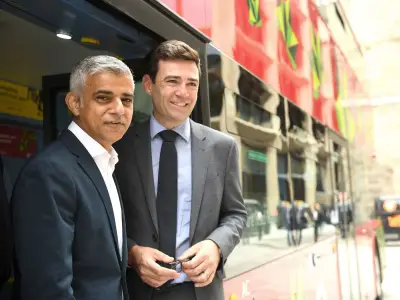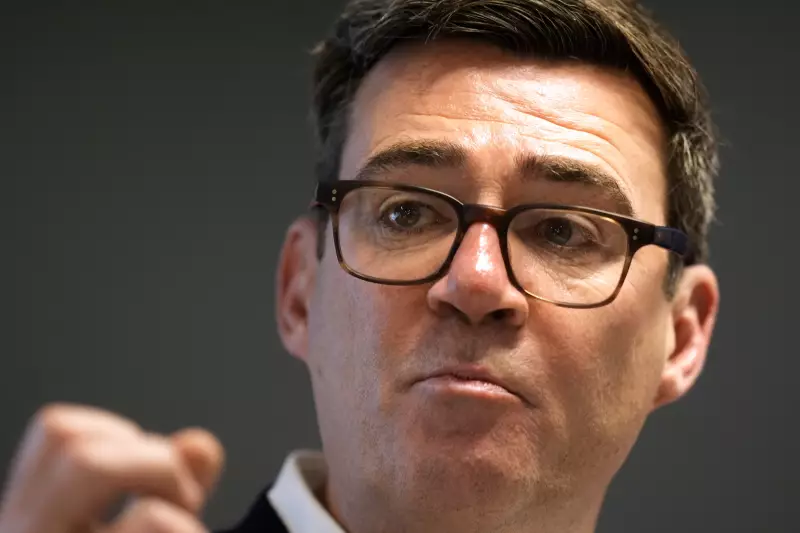
Prime Minister Keir Starmer has publicly defended the Labour Party's controversial decision to block Andy Burnham from standing as a parliamentary candidate in an upcoming by-election, insisting that political resources must be directed toward what he calls the "fight with Reform."
Starmer's Justification for the Snub
Less than twenty-four hours after Labour's National Executive Committee voted overwhelmingly to reject Burnham's bid to return to Westminster, Starmer addressed the media. He emphasised that the party's primary focus should be on voter concerns, particularly the cost of living crisis, and on countering the threat posed by Nigel Farage's Reform UK.
"The single most important thing for people across the country is the cost of living," Starmer stated. "That's why we're bearing down on it in everything we're doing, pulling every lever."

He continued, "There is a fight, but that fight is with Reform, and we all need to line up together to be in that fight, all playing our part. I think that everybody in the Labour Party, everybody who's a Labour MP, wants to be in that fight, wants to fight alongside all their colleagues in a fight that matters hugely to the future of our country."
Resource Allocation and Internal Divisions
Starmer argued that allowing Burnham to contest the Gorton and Denton seat would force an unnecessary election for the Greater Manchester mayoralty, diverting crucial campaign resources. He praised Burnham's work as mayor but framed the decision as a strategic necessity ahead of local, Scottish, and Welsh elections in May.
"Another city election would divert our resources away from the elections that we must have, that we must fight and win," the Prime Minister explained.
Burnham's Reaction and Backbench Uproar
Andy Burnham, who will remain as Mayor of Greater Manchester, initially refused to comment on the snub when questioned on Sunday, stating he was focused on his mayoral duties. However, he later expressed his disappointment on social media, suggesting Labour risked losing the by-election and pledging support to the eventual candidate.
The NEC's decision, backed primarily by Starmer's allies including Home Secretary Shabana Mahmood, has sparked significant anger among some Labour backbenchers. Former Shadow Chancellor John McDonnell labelled it a "disgusting decision," warning Starmer not to "underestimate the depth of anger people will feel."
Former Transport Secretary Louise Haigh argued that the leadership should not feel threatened by including one of the country's most popular politicians in the national team, urging a reversal of the decision. Prior to the vote, Energy Secretary Ed Miliband and Deputy Leader Lucy Powell had also supported Burnham's candidacy.
Financial Markets and Political Stability
The political developments coincided with a slight drop in 30-year gilt yields, potentially easing government borrowing costs. Some analysts suggested that blocking Burnham's return might reassure bond investors seeking stability, as it reduces the immediate prospect of a leadership challenge within Labour.
Susannah Streeter, chief investment strategist at the Wealth Club, noted, "Bond investors, who demand stability on the UK political scene, may be reassured by the blocking of a bid to potentially oust Keir Starmer as Prime Minister. There is likely to be some relief that fresh political uncertainty won't erupt right now in the UK."
The Labour Party's official statement reiterated that the NEC could not risk Labour's control of Greater Manchester by triggering a mayoral election, emphasising confidence in retaining the position but prioritising broader electoral battles.